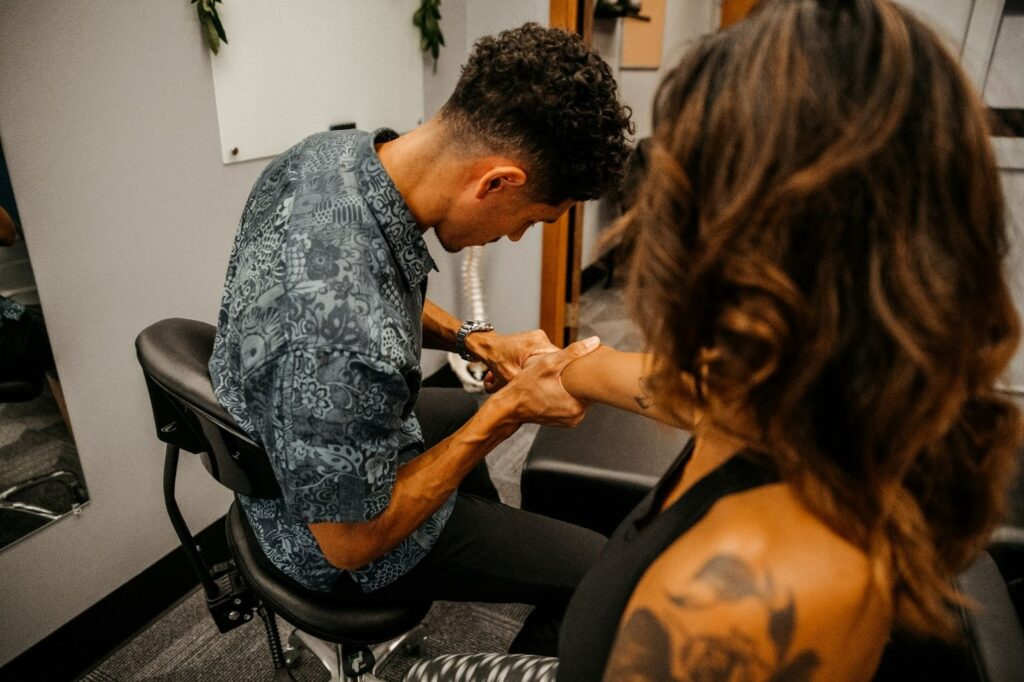

Personalized care is essential for you because it goes beyond one-size-fits-all solutions, focusing instead on your specific needs and preferences. When healthcare is tailored to you, it can lead to more effective treatments and a deeper connection with your providers. This approach not only enhances your satisfaction but also encourages you to take an active role in your health journey. As you explore the various facets of personalized care, you might find yourself wondering how these tailored strategies can truly transform your overall well-being.
Understanding Personalized Care
Personalized care is more than just a trend; it's a transformative approach that tailors healthcare to meet your unique needs. This method focuses on you as an individual rather than a one-size-fits-all model. By considering your genetic makeup, lifestyle, and preferences, healthcare providers can create a plan that's not only effective but also resonates with who you are.
Understanding personalized care means recognizing the importance of your specific health circumstances. It goes beyond standard treatments, emphasizing the need for tailored interventions that align with your life. For instance, if you have a family history of certain conditions, your care team can prioritize preventive measures that address those risks head-on.
Moreover, personalized care fosters deeper communication between you and your healthcare providers. You're encouraged to voice your concerns, preferences, and goals. This collaborative relationship allows for adjustments in your treatment plan, ensuring it evolves with you over time.
Additionally, personalized care often incorporates advanced technologies, like genetic testing and data analytics, to gain insights into your health. These tools empower providers to make informed decisions, leading to more precise and effective interventions.
In essence, understanding personalized care means acknowledging that healthcare isn't a uniform experience. It's about crafting a journey that respects and responds to your unique story, ensuring that you receive the most effective care possible.
With personalized care, you're not just another patient; you're an individual with distinct needs and aspirations.
Benefits of Personalized Approaches
A tailored approach to healthcare brings numerous benefits that can greatly enhance your overall well-being. When you engage in personalized care, you're more likely to receive treatments and recommendations that suit your unique needs, preferences, and lifestyle. This means you're not just another number; you're a valued individual with specific health concerns.
One significant benefit is improved health outcomes. Personalized approaches often lead to more effective interventions, as they cater to your specific medical history and genetic makeup. This means you're likely to experience better management of chronic conditions and a quicker recovery from illnesses.
Another advantage is increased patient satisfaction. When you feel that your healthcare providers truly understand you and your needs, it fosters a more trusting relationship. You'll likely feel more comfortable discussing your concerns and preferences, leading to a more collaborative healthcare experience.
Additionally, personalized care can save you time and resources. By focusing on what works best for you, it reduces trial-and-error treatments and unnecessary procedures. This efficiency not only minimizes frustration but also cuts down on healthcare costs in the long run.
Lastly, personalized approaches empower you. You become an active participant in your own health journey, leading to greater adherence to treatment plans and lifestyle changes. In that way, you're not just passively receiving care; you're taking charge of your health and well-being.
Embracing personalized care can truly transform your healthcare experience, making it more effective and fulfilling.
Personalized Care in Healthcare
Transforming the healthcare landscape, personalized care focuses on tailoring medical treatments and interventions to fit individual needs. It's about understanding that no two patients are alike, and what works for one person may not work for another. This approach not only enhances the effectiveness of treatments but also fosters a stronger patient-provider relationship.
When you engage with personalized care, you can expect:
- Customized Treatment Plans: Your healthcare team will analyze your unique health history, preferences, and lifestyle to create a plan that's right for you.
- Improved Outcomes: By considering your specific needs, personalized care can lead to better health outcomes, making your treatment more effective.
- Enhanced Patient Satisfaction: You'll likely feel more involved and respected in your healthcare journey, which can lead to a more positive experience overall.
With personalized care, you're not just another statistic. Your individuality is recognized, and your healthcare experience becomes more relevant to your life. This approach empowers you to take an active role in your health decisions, ensuring that you get the support you need in a way that resonates with you.
As healthcare continues to evolve, embracing personalized care can greatly improve your interactions with the system, making it an essential aspect of modern medical practice.
Importance in Mental Health
When it comes to mental health, personalized care can make all the difference.
Tailored treatment approaches guarantee that your unique needs are met, while building trusting relationships with your care providers fosters a supportive environment.
This combination is essential for achieving lasting positive outcomes in your mental well-being.
Tailored Treatment Approaches
In recent years, the significance of tailored treatment approaches in mental health has become increasingly clear.
You deserve care that fits your unique needs, rather than a one-size-fits-all solution. Personalized treatment can enhance your mental well-being by addressing specific challenges you face, leading to more effective outcomes.
Here are a few reasons why tailored approaches are essential:
- Individualized Strategies: Each person's mental health journey is different. Tailored treatments consider your unique experiences, symptoms, and preferences, which can lead to better engagement and adherence.
- Holistic Understanding: Personalized care looks beyond just symptoms. It encompasses your lifestyle, history, and personal goals, ensuring that the treatment aligns with your life and values.
- Enhanced Recovery: When treatments are customized, you're more likely to experience improvements in your mental health. This can lead to faster recovery times and greater overall satisfaction with your care.
Building Trusting Relationships
Effective mental health care relies not just on personalized treatment but also on the relationships formed between you and your care providers. Trust is a key component in this dynamic; it allows you to share your thoughts and feelings openly without fear of judgment.
When you feel comfortable with your therapist or psychiatrist, you're more likely to engage fully in sessions, which can lead to better outcomes.
Building a trusting relationship takes time and effort from both sides. You should feel heard and validated, while your provider needs to demonstrate empathy and understanding.
This mutual respect creates a safe space for you to explore your mental health challenges.
A strong therapeutic alliance can enhance your motivation to follow treatment plans and can even help reduce symptoms more effectively.
When you trust your care provider, you're more inclined to be honest about your struggles, which provides them with valuable insights to tailor your treatment.
Tailored Support for Daily Living
To truly support your daily living, it's crucial to assess your individual needs.
This personalized approach allows for customized assistance that fits seamlessly into your routine.
Individual Needs Assessment
Understanding your unique needs is essential for receiving tailored support in daily living. When you undergo an individual needs assessment, it helps identify the specific areas where you may require assistance. This process not only enhances your quality of life but also empowers you to maintain your independence.
During the assessment, several key factors are considered:
- Physical health: Understanding any medical conditions or mobility issues you may have.
- Emotional well-being: Identifying mental health needs and social support systems.
- Daily routines: Evaluating how well you manage daily tasks and activities.
By focusing on these aspects, you can receive personalized support that truly fits your lifestyle. The assessment allows caregivers to understand your preferences and priorities, ensuring that the assistance provided aligns with your values. This tailored approach can lead to better outcomes, as it emphasizes your strengths and addresses your challenges.
Ultimately, an individual needs assessment sets the foundation for effective care. It gives you a voice in your own support system, making sure that your unique circumstances are respected and catered to.
Embrace the process, and take an active role in shaping your daily living experience.
Customized Daily Assistance
With the right customized daily assistance, you can navigate your day-to-day activities more smoothly and confidently. Tailored support means you'll receive help that fits your unique needs, whether it's assistance with personal care, meal preparation, or household tasks.
This personalized approach guarantees that your preferences and routines are respected, making daily life more manageable. Imagine waking up knowing that your specific requirements will be met, allowing you to focus on what truly matters.
Customized daily assistance can help you maintain independence while providing the necessary support to overcome challenges. You won't have to worry about struggling with tasks that once felt overwhelming.
Additionally, having a caregiver who understands your lifestyle means they can adapt their support as your needs change. This flexibility guarantees you're always receiving the right level of care, which can lead to improved well-being and satisfaction.
Building Stronger Provider Relationships
Fostering stronger provider relationships is key to delivering personalized care effectively. When you build trust and open communication with your healthcare providers, you create an environment where your needs and preferences are prioritized. This connection can enhance not just your care but also your overall experience in maneuvering the healthcare system.
To strengthen these relationships, consider the following strategies:
- Be Open and Honest: Share your health concerns, lifestyle choices, and preferences candidly. This transparency helps your provider understand your unique situation better.
- Ask Questions: Don't hesitate to seek clarification on treatments or recommendations. Engaging in discussions shows that you're invested in your health and allows for a more collaborative approach to your care.
- Follow-Up: Keep the lines of communication open between appointments. Whether it's updating your provider on your progress or discussing new symptoms, regular follow-ups strengthen your relationship and guarantee your care remains personalized.
Enhancing Patient Engagement
Patient engagement is increasingly recognized as an essential component of effective healthcare. When you actively participate in your care, you're not just a passive recipient; you become an integral part of the healthcare process. This engagement can greatly impact your health outcomes and overall experience.
To enhance your engagement, start by communicating openly with your healthcare provider. Don't hesitate to ask questions or express your concerns. This dialogue fosters a partnership where you feel heard and understood. Your provider can tailor treatment plans based on your preferences, values, and lifestyle, making the care process more meaningful for you.
Utilizing technology can also boost your engagement. Patient portals allow you to access your medical records, schedule appointments, and communicate with your provider—all at your convenience. Engaging with educational materials, such as videos or articles related to your condition, empowers you with knowledge, helping you make informed decisions about your health.
Setting personal health goals is another way to stay engaged. When you identify specific objectives, you'll feel more motivated to follow through with your treatment plan. Track your progress, celebrate small victories, and adjust your goals as needed.
Impact on Overall Well-Being
Engagement in your healthcare not only enhances your treatment experience but also greatly impacts your overall well-being. When you actively participate in your care, you empower yourself to make informed decisions that resonate with your personal values and needs. This empowerment leads to a more satisfying healthcare journey, which can affect various aspects of your life.
By focusing on personalized care, you can expect to see improvements in:
- Mental Health: Feeling more in control reduces anxiety and stress, enabling you to approach challenges with a clearer mind.
- Physical Health: Tailoring your treatment to fit your unique lifestyle can enhance the effectiveness of interventions, leading to better health outcomes.
- Social Connections: Engaging in your care fosters better communication with healthcare providers, which can strengthen your support system and improve your relationships.
Your overall well-being isn't just about physical health—it's a holistic approach that encompasses emotional, social, and mental aspects.
When you prioritize personalized care, you're not just addressing symptoms; you're nurturing your entire self. This proactive approach allows you to cultivate resilience and positivity in your life.
Steps to Seek Personalized Care
Taking proactive steps to seek personalized care can greatly enhance your healthcare experience. Start by evaluating your individual needs. Reflect on your medical history, lifestyle, and any specific health concerns. This self-awareness will empower you to communicate effectively with healthcare providers.
Next, research potential providers who emphasize personalized care. Look for reviews, credentials, and specialties that align with your needs. Don't hesitate to ask for recommendations from friends or family who've had positive experiences. Once you've identified a few options, schedule consultations to gauge their approach and compatibility with your expectations.
During your appointments, be open and honest about your health goals, preferences, and any apprehensions. Share your medical history in detail and express your desire for a tailored treatment plan. A good provider will listen and work with you to create a strategy that fits your unique situation.
Don't forget to advocate for yourself. If you feel your needs aren't being met, seek clarification or consider a second opinion. Stay engaged in your care by asking questions and requesting additional information as needed.
Finally, establish a relationship with your provider based on trust and communication. Regular follow-ups and ongoing discussions about your health will help guarantee your care remains personalized.
Conclusion
In summary, personalized care is essential for your health journey. It empowers you to take an active role in your well-being, ensuring treatments align with your unique needs. By fostering strong relationships with healthcare providers, you enhance communication and engagement, leading to better outcomes. Embracing this tailored approach not only improves your satisfaction but also supports your overall quality of life. Take the steps to seek personalized care and access the full potential of your health.