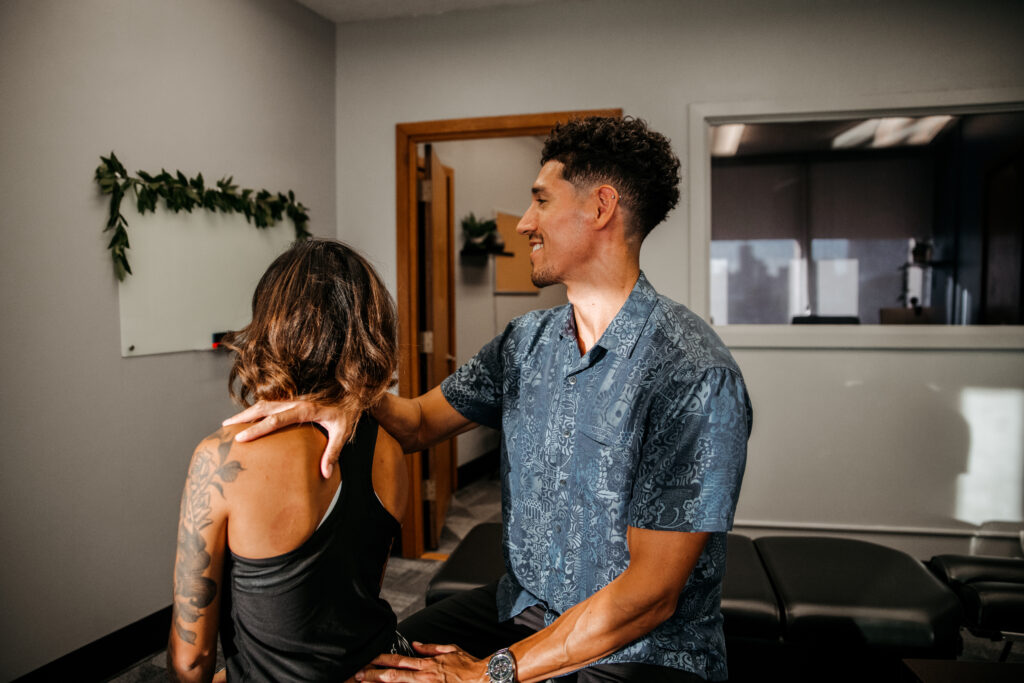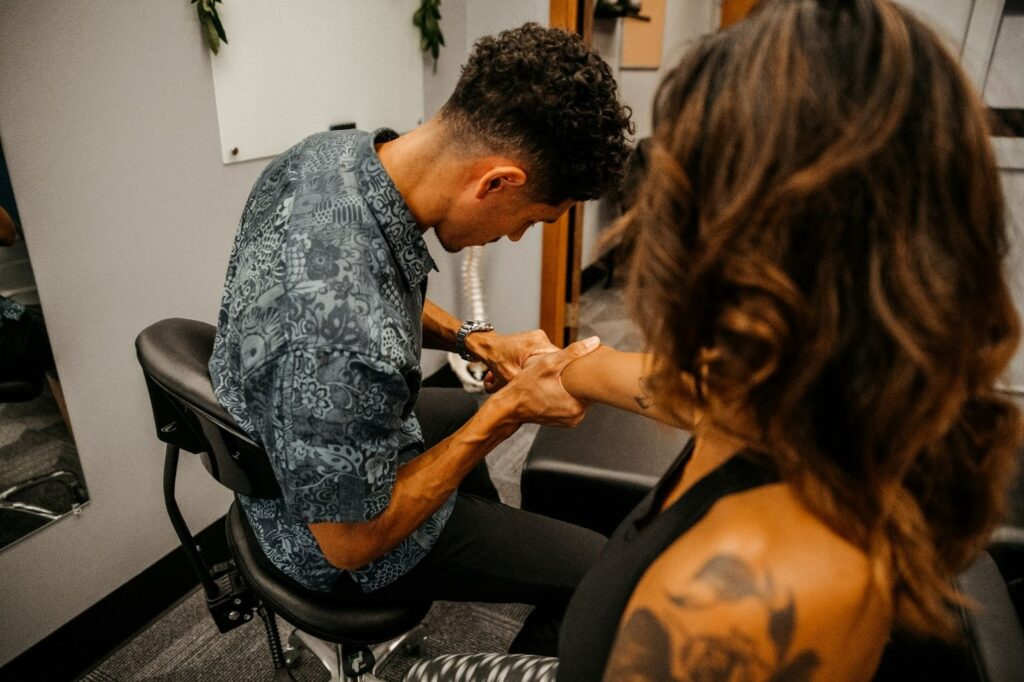

If you're experiencing sports-related back pain, know that you're not alone, and seeking relief is crucial for both your performance and overall well-being. As a local chiropractor, I want to share that a combination of rest, targeted stretching, and strengthening exercises can truly make a difference in your recovery. It's essential to grasp how proper warm-ups and specific techniques can enhance your healing process.
In chiropractic care, we focus on restoring your body's natural alignment and function. This approach not only alleviates pain but also promotes long-term wellness. There are a variety of strategies and treatments we can explore together, such as spinal adjustments, guided exercises, and lifestyle modifications, that can help you regain your strength and flexibility.
So, if you're ready to take the next step toward relief and improved performance, let's discuss how chiropractic care can support your journey to recovery and a healthier, more active lifestyle.
Understanding Back Pain Causes
As a local chiropractor, I want to help you understand the various factors that can contribute to back pain, especially for those who lead an active lifestyle or participate in sports. Many athletes often experience back pain due to a mix of muscle strain, poor posture, and overuse injuries. When you push your body during training or competition, it can put considerable stress on your back muscles and spine.
Muscle strain often arises when individuals overexert themselves, lift heavy weights without proper technique, or perform repetitive movements without maintaining good form. This strain can lead to ongoing discomfort if not addressed promptly.
Equally important is the role of posture in back health. Poor posture, whether from sitting for long durations or using improper form during physical activities, can place unnecessary stress on your spine. Slouching or leaning forward can gradually lead to pain, often before you even realize how much your posture is affecting you.
Another common contributor to back pain is overuse injuries. Many athletes tend to train intensely, often focusing on certain muscle groups while neglecting others. This can create imbalances in the body, leading to chronic pain if the warning signs are ignored. It's essential to listen to your body and prioritize rest and recovery as part of your training regimen.
Additionally, muscle imbalances can worsen back pain. If one side of your body is stronger than the other, it can result in compensatory movements that put extra strain on your back. Understanding these underlying causes is crucial for finding effective relief and preventing future injuries.
If you're experiencing back pain, know that chiropractic care can be a natural and effective approach to help restore balance and support your body's healing process. I'm here to guide you on your journey to better back health and overall well-being.
Importance of Proper Warm-ups
As a local chiropractor, I want to emphasize the importance of warming up before engaging in any physical activity, whether it's on the field or the court.
A proper warm-up is crucial not only for enhancing your performance but also for ensuring your safety. Engaging in dynamic stretching prepares your muscles and joints, which can significantly reduce the risk of injury.
By incorporating these warm-up techniques into your routine, you not only improve your game but also help safeguard your back and overall musculoskeletal health.
Benefits of Dynamic Stretching
As a local Chiropractor, I often emphasize the importance of dynamic stretching for enhancing athletic performance and preventing sports-related back pain.
If you're not familiar with chiropractic care and natural healing, let me explain how incorporating dynamic stretching into your warm-up routine can significantly benefit your body.
Dynamic stretching prepares your muscles and joints for the physical demands of your sport, ensuring that you're not only flexible but also ready to perform at your best.
Here are three key benefits of dynamic stretching that I'd like you to consider:
1. Increased Blood Flow: When you engage in dynamic stretches, your heart rate elevates, and circulation improves. This means that your muscles receive essential oxygen and nutrients, which are crucial for optimal function and performance.
2. Enhanced Range of Motion: Dynamic stretching helps take your muscles through their full range of motion gradually. This practice maintains flexibility and reduces stiffness, which is vital in preventing strains and injuries during intense activities.
By keeping your body supple, you're less likely to experience discomfort or pain.
3. Improved Coordination and Balance: As you perform dynamic stretches, you're also enhancing your coordination and balance. This preparation is important for the quick movements required in sports, helping to minimize the risk of awkward landings or movements that could lead to back pain.
By incorporating these dynamic stretches into your pre-activity routine, you can contribute to a more effective performance while reducing the likelihood of injuries.
Injury Prevention Techniques
As a local chiropractor, I'd like to emphasize the critical role that proper warm-ups play in preventing injuries, especially for those who may not be familiar with the benefits of chiropractic care and natural healing.
Many athletes and fitness enthusiasts often overlook warm-up routines, but they're essential for preparing your body for physical activity. Warming up increases blood flow to your muscles, enhancing flexibility and range of motion. This is particularly important in reducing the risk of strains and sprains, especially in high-impact sports.
As someone who understands the mechanics of the body, I can't stress enough how crucial it's to take these steps seriously. Incorporating dynamic stretches and movements specific to your sport can effectively prepare your body. For instance, if you enjoy running, try including leg swings and high knees in your warm-up to activate your hip flexors and hamstrings.
Similarly, soccer players might benefit from practicing light dribbling and quick lateral movements to simulate game scenarios, helping to condition both the body and mind for the task ahead. Additionally, don't neglect your back during your warm-up. The spine is often vulnerable during physical activity, so it's essential to engage your core muscles.
A strong core supports your spine and stabilizes your movements, reducing the likelihood of injury. A well-structured warm-up routine not only primes your muscles but also sharpens your mental focus, enabling you to perform confidently and effectively.
As your chiropractor, I encourage you to adopt these practices to enhance your overall health and well-being, paving the way for a safer and more enjoyable experience in your physical pursuits.
Importance of Consistency
As a local chiropractor, I want to emphasize the importance of consistency in your warm-up routine for both enhancing your performance and preventing injuries.
Establishing a regular warm-up practice is crucial for preparing your muscles and joints for the physical demands of your chosen activities. Not only does this improve your overall capabilities, but it also plays a significant role in reducing the chances of back pain and injuries.
To make the most of your warm-up, consider these three essential components:
- Dynamic stretches: Incorporate movements such as leg swings and arm circles. These exercises increase blood flow and flexibility, helping your body transition smoothly from a state of rest to one of activity.
- Sport-specific drills: Engage in exercises that imitate the motions you'll perform in your sport. This targeted approach activates the muscles you'll rely on during competition, making them more responsive and less vulnerable to strain.
- Gradual intensity increase: Begin with low-intensity exercises and progressively increase the intensity. This method allows your body to adjust effectively, minimizing the risk of sudden strain, particularly on your back.
By making warm-ups a consistent part of your routine, you aren't only preparing your body for activity but also taking proactive steps to protect your spine and overall health.
Effective Stretching Techniques
As a chiropractor, I often see patients struggling with sports-related back pain, and I want to emphasize how crucial effective stretching techniques can be in alleviating discomfort and enhancing overall flexibility.
One of the first areas to focus on is your hamstrings. Tight hamstrings can lead to strain in your lower back, so I recommend incorporating a seated hamstring stretch into your routine. To do this, sit on the ground with one leg extended and the other bent. Gently reach for your toes while keeping your back straight, and hold this position for 20-30 seconds before switching to the other leg.
Another excellent stretch to consider is the cat-cow stretch, which greatly improves spinal flexibility. Get on all fours, positioning your wrists directly under your shoulders and your knees under your hips. As you inhale, arch your back and lift your head into the cow position. Then, as you exhale, round your back and tuck your chin into the cat position. Flow between these two positions for about a minute to promote mobility in your spine.
I also recommend the child's pose, which is particularly beneficial for releasing tension in the lower back. To perform this stretch, kneel on the floor, sit back on your heels, and extend your arms forward while lowering your torso towards the ground. Hold this position for 30 seconds while taking deep, calming breaths.
Lastly, don't overlook the importance of stretching your hip flexors. Stand tall and take a step back with one foot while bending your front knee. Keep your back leg straight and gently lean into the stretch. Hold this for 20-30 seconds before switching to the opposite side.
Regularly practicing these stretches can significantly help manage back pain and improve your athletic performance. Remember, consistency is essential for seeing results. As your chiropractor, I encourage you to integrate these techniques into your daily routine for optimal health and well-being.
Strengthening Core Muscles
As a local chiropractor, I want to emphasize the importance of a strong core for everyone, not just athletes. A well-developed core is essential for preventing back pain and improving overall physical performance. Your core muscles play a crucial role in supporting your spine, stabilizing your body during everyday movements, and effectively transferring energy.
By focusing on core strength, you can significantly lower your risk of injury and enhance your daily activities. Here are three fundamental exercises that I recommend to help strengthen your core:
- Plank: Begin by getting into a push-up position, but rest on your forearms instead of your hands. Ensure your body forms a straight line from your head to your heels. Hold this position for as long as you can, aiming for at least 30 seconds. This exercise engages several core muscles, promoting stability that's vital for maintaining a healthy spine.
- Russian Twists: Sit on the floor with your knees bent and lean back slightly. If you're comfortable, hold a weight or a medicine ball, and twist your torso from side to side. Aim for 10-15 repetitions on each side. This movement helps improve your rotational strength, which is important not just for sports, but for daily movements as well.
- Dead Bug: Lie flat on your back with your arms pointing towards the ceiling and your knees bent at a 90-degree angle. Slowly lower one arm and the opposite leg towards the floor while keeping your back flat against the surface. Return to the starting position and switch sides. Perform 10-12 repetitions on each side. This exercise enhances coordination and engages the deep core muscles that support your spine.
Incorporating these exercises into your daily routine can help you build a solid core, which is essential for reducing your risk of back pain and enhancing your overall physical well-being.
Posture and Body Mechanics
As your local chiropractor, I want to emphasize the importance of maintaining good posture and practicing proper body mechanics to help prevent back pain. Many people are unaware of how their body alignment can affect their overall well-being. When you sit, stand, or move, it's crucial to be mindful of your posture. Ideally, your ears, shoulders, and hips should form a straight line when standing. This alignment not only looks better but also helps distribute weight evenly across your body, which can significantly reduce strain on your back.
When it comes to sitting, I recommend choosing a chair that provides proper support for your lower back. It's important to keep your feet flat on the floor and avoid crossing your legs, as this can hinder blood circulation. If you find yourself at a desk for extended periods, remember to take regular breaks to stretch and adjust your posture. You might also want to invest in ergonomic equipment, which can greatly enhance your workspace and promote better body mechanics.
When lifting objects, always remember to bend at your knees rather than at your waist. Keep the item close to your body and rely on your leg strength to lift, rather than putting pressure on your back. This technique not only minimizes the risk of injury but also helps you maintain a stable core, which is vital for your overall health.
In your physical activities, such as running, playing tennis, or lifting weights, being mindful of your movements is key. Engaging your core and maintaining a neutral spine can help prevent excessive pressure on your back, allowing you to enjoy your favorite sports without discomfort.
Lastly, I encourage you to stay aware of your posture throughout the day. Simple reminders or gentle prompts can help you check in with your body, ensuring you're not slouching or straining. By prioritizing good posture and body mechanics, you not only reduce the risk of back pain but also enhance your overall athletic performance.
Use of Ice and Heat
As your local chiropractor, I want to share some valuable insights on managing sports-related back pain through the effective use of ice and heat.
These two simple tools can be incredibly beneficial for your recovery.
Ice therapy is fantastic for reducing inflammation and numbing discomfort, providing immediate relief when you're feeling acute pain.
On the other hand, applying heat can work wonders for tight muscles and enhance blood circulation, helping to promote healing.
Understanding the right timing and methods for using ice and heat can significantly impact your recovery process.
If you're unsure when to use each technique, I'm here to guide you through tailored approaches that fit your individual needs.
Together, we can work towards a pain-free and active lifestyle!
Ice Therapy Benefits
As a local chiropractor, I want to share with you the remarkable benefits of ice therapy for alleviating sports-related back pain. Many individuals may not be familiar with this natural healing method, but it's a powerful tool that can significantly reduce inflammation and numb soreness.
When ice is applied to the back, it causes blood vessels to constrict, which helps to diminish swelling and alleviate pain. This technique is particularly beneficial right after an injury or during flare-ups.
Here are three key advantages of incorporating ice therapy into your pain management routine:
- Reduced Inflammation: One of the primary benefits of ice therapy is its ability to minimize swelling. This reduction in inflammation allows your body to heal more effectively. You'll likely notice less puffiness around the affected area, which can significantly enhance your mobility and comfort.
- Numbing Effect: Applying ice can provide immediate relief by numbing the pain. Many of my patients report a soothing sensation that allows them to return to their daily activities more quickly and comfortably.
- Prevention of Further Injury: Using ice after physical activity is crucial for preventing additional strain on your back. By keeping inflammation in check, ice therapy enables you to maintain your performance while lowering the risk of exacerbating your condition.
Incorporating ice therapy into your routine can be transformative for managing sports-related back pain, helping you remain active and pain-free.
It's most effective when utilized during the first 24 to 48 hours following an injury. If you're interested in exploring more natural healing methods or have questions about your back pain, please feel free to reach out. Your journey to wellness is important to me!
Heat Application Techniques
As your local chiropractor, I often see patients who've just used ice therapy to manage their sports-related back pain and are curious about the next steps. One effective approach I recommend is the application of heat.
Heat therapy can be an excellent way to relieve muscle tension and enhance blood flow to the affected area. This increased circulation is crucial as it helps deliver essential nutrients and accelerates the healing process.
When it comes to applying heat, there are several methods you can use. Heating pads, warm towels, or even a soothing warm bath can all be effective options. Always remember to wrap your heat source in a cloth to protect your skin from burns.
You want to aim for a comfortable warmth and apply it for about 15 to 20 minutes at a time. This can be repeated several times throughout the day as needed.
Heat therapy is especially beneficial once the initial inflammation has subsided, usually around 48 hours after an injury. It's ideal for addressing chronic pain or muscle stiffness, allowing you to regain flexibility and movement.
However, should you experience any increase in pain or discomfort while using heat, it's vital to stop and reach out for further guidance.
Incorporating heat therapy into your recovery plan, alongside other treatments I may suggest, can significantly enhance your healing process and get you back to enjoying your favorite sports sooner.
If you have any questions or need personalized advice, I'm here to help!
Therapeutic Massage Benefits
As a local chiropractor, I want to share the incredible benefits of therapeutic massage, particularly for athletes dealing with back pain. If you're unfamiliar with chiropractic care and natural healing, it's important to understand how therapeutic massage can play a vital role in your recovery and performance enhancement.
Therapeutic massage isn't just a luxury; it's a valuable tool that addresses muscle tension and enhances circulation, making it a crucial component of your healing journey. By incorporating this practice into your routine, you can experience significant improvements in both comfort and athletic ability.
Here are three key benefits of therapeutic massage that you may find helpful:
- Reduced Muscle Tension: Specific massage techniques focus on releasing tight muscles and breaking up knots. This reduction in muscle tension can lead to increased flexibility and a greater range of motion, which is essential for optimal performance in any sport.
- Improved Blood Flow: Enhanced circulation is another major benefit of therapeutic massage. This process helps deliver vital oxygen and nutrients to your muscles while also flushing out harmful toxins. As a result, you may notice a quicker recovery time and less soreness after intense training sessions or competitions.
- Enhanced Relaxation: Therapeutic massage is also known for promoting relaxation. By lowering cortisol levels and encouraging the release of endorphins, massage can improve your overall mental well-being. This mental clarity and relaxation will help you cope better with the physical demands of your sport.
Incorporating regular therapeutic massage into your wellness routine can lead to long-term relief from back pain, allowing you to concentrate on your training and performance without the distraction of discomfort.
I encourage you to schedule an appointment with a skilled massage therapist who understands the specific needs of athletes. You may find that this holistic approach becomes an integral part of your overall health and performance strategy, leading to more enjoyable and successful athletic experiences.
Physical Therapy Options
As a local chiropractor, I want to share how chiropractic care can significantly benefit athletes dealing with back pain. Chiropractic focuses on restoring proper alignment and function to the spine and joints, which is essential for enhancing movement and alleviating discomfort. When you visit my office, I'll conduct a thorough assessment of your condition and develop a personalized treatment plan tailored to your specific needs.
One of the primary techniques we utilize is spinal manipulation, a hands-on approach designed to realign the vertebrae and reduce pain. This method can improve mobility and promote healing in the affected areas.
In addition to adjustments, we often incorporate therapeutic exercises that strengthen the core and back muscles, which provide critical support for your spine and overall stability. Stretching also plays a vital role in your recovery. I'll guide you through specific stretches that enhance flexibility and alleviate muscle tension, making it easier for you to engage in athletic activities.
Moreover, I may recommend complementary therapies such as heat, ice, or electrical stimulation to help manage pain and inflammation. Education is a cornerstone of chiropractic care. I'll teach you about proper body mechanics and posture, helping you avoid movements that could worsen your back pain.
I'll also provide guidance on ergonomic adjustments to optimize your training environment for better performance. Lastly, consistency is crucial for achieving lasting results. Regular visits and commitment to your prescribed home exercise routine will contribute to long-term benefits.
When to Seek Professional Help
As a local chiropractor, I want to emphasize the importance of recognizing when to seek professional help for sports-related back pain. Many individuals may feel inclined to push through the discomfort, but there are specific signs that indicate it's time to consult a healthcare professional like myself.
Addressing these issues early can prevent further complications and pave the way for a smoother recovery.
Here are three key indicators that you should consider reaching out for professional chiropractic care:
1. Persistent Pain: If you find that your back pain doesn't improve with rest or over-the-counter pain relief, that's a significant warning sign. Your discomfort should gradually diminish; if it continues for more than a few days, it's essential to get evaluated.
Chiropractic adjustments can help realign your spine and alleviate pain naturally.
2. Radiating Symptoms: Should you experience pain that radiates to your legs, or any numbness or tingling sensations, these can point to nerve involvement. These symptoms should never be ignored, as they may indicate a more serious issue that warrants expert evaluation.
Chiropractic care can help address nerve-related problems by restoring proper function to your spine.
3. Limited Mobility: If you find it difficult to perform everyday tasks or participate in sports due to back pain, it's time to seek professional guidance. A reduced range of motion can significantly impact both your athletic performance and daily life.
As a chiropractor, I can assist you in regaining your mobility through targeted adjustments and personalized treatment plans.
Remember, it's always better to address these concerns early on, and I'm here to help guide you through the natural healing process.
Let's work together to get you back to doing what you love, pain-free!
Long-term Prevention Strategies
As a local chiropractor, I want to share some important long-term prevention strategies to help you keep sports-related back pain at bay. One of the most effective ways to support your spine is by focusing on your core strength. A strong core acts as a natural brace for your spine, helping to distribute forces during physical activities and reducing strain on your back.
I recommend incorporating exercises such as planks, bridges, and targeted abdominal workouts into your routine to build this essential strength.
Flexibility is another key component. Regular stretching can significantly improve your range of motion and help prevent injuries. I suggest integrating dynamic stretches before your workouts to warm up your muscles and static stretching afterward to cool down.
Practices like yoga or Pilates not only enhance flexibility but also promote balance and stability, which are crucial for athletic performance.
Proper biomechanics can't be overlooked. Whether you're running, cycling, or engaging in any sport, using the correct form is vital to avoid unnecessary stress on your back. If possible, consider working with a coach or trainer who can analyze your technique and offer constructive feedback.
Investing in the right equipment is equally important. Choose shoes that provide adequate support and cushioning tailored to your specific activity, as well as gear that fits your body type. This attention to detail can greatly reduce your risk of injury.
Lastly, it's essential to listen to your body. If you experience pain or discomfort, don't push through it. Allow yourself to rest and recover. Incorporating regular recovery days into your training schedule enables your body to heal and adapt, which is crucial for long-term health and performance.
Conclusion
As a local chiropractor, I want to share some valuable insights on managing sports-related back pain. It's essential to take a comprehensive approach to address this issue. First, understanding the underlying causes of your discomfort is crucial. Many athletes overlook the importance of proper warm-ups, which can significantly reduce the risk of injury. Incorporating effective stretches and core strengthening exercises into your routine can also play a vital role in alleviating pain.
Posture is another critical factor to consider. Maintaining proper alignment during physical activities can prevent unnecessary strain on your back. If you're experiencing persistent pain, therapeutic massage and physical therapy can be beneficial, and I encourage you to explore these options.
Remember, it's always wise to seek professional help if your back pain continues. As your chiropractor, I can assist in developing a personalized treatment plan that focuses on both relieving your current discomfort and implementing long-term prevention strategies. With these practices in place, you can return to enjoying your favorite sports activities without the burden of pain. Let's work together to keep you active and healthy!