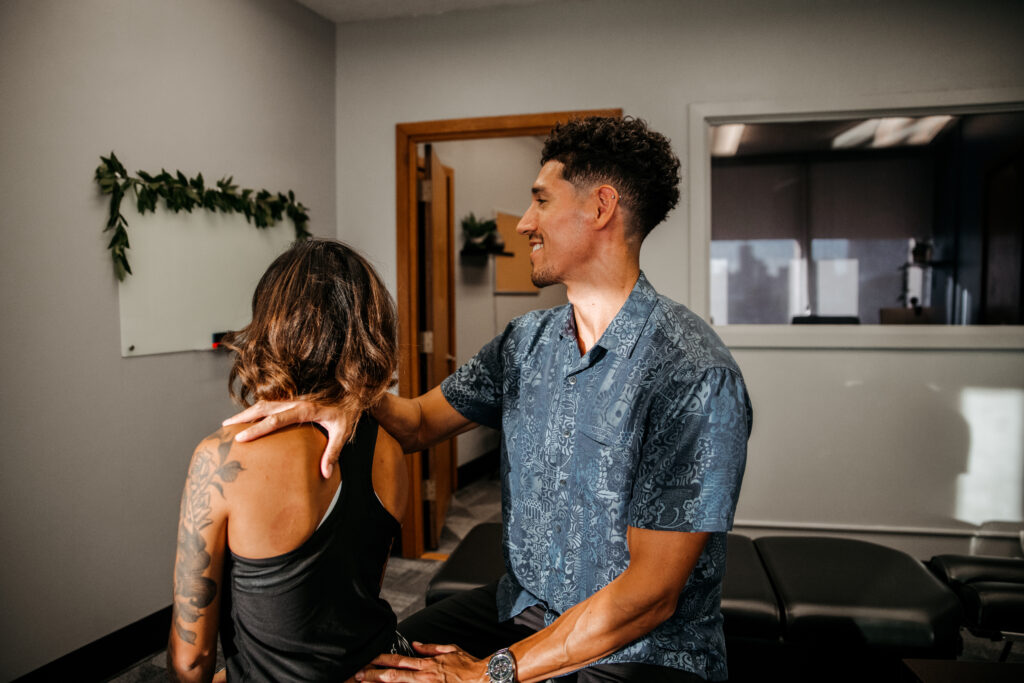

If you're struggling with back pain, you know how frustrating it can be to find a solution that truly works for you. Tailoring your approach is essential, as everyone's pain is influenced by unique factors like your physical condition and emotional state. By understanding your specific pain profile, you can access customized strategies that address your needs more effectively. What you might not realize is how a combination of innovative therapies and lifestyle adjustments can greatly change your experience—let's explore the options that could lead you toward lasting relief.
Understanding Back Pain Types
When you think about back pain, it's important to recognize that not all types are the same. Each type can stem from different causes, and understanding these distinctions is vital for effective relief.
For instance, acute back pain often comes on suddenly, usually due to an injury, strain, or a specific incident. You might feel a sharp sensation that limits your movement, making it hard to perform daily tasks.
On the other hand, chronic back pain lasts for three months or longer and can develop from issues like arthritis, disc degeneration, or even stress. It may not always have a clear trigger, and the discomfort can vary from a dull ache to a more intense pain. You might find that your chronic pain affects your mood and energy levels, creating a cycle that's tough to break.
Another type is radicular pain, which occurs when a nerve is compressed, often leading to pain that radiates down your legs. This can cause tingling or numbness, impacting your mobility and daily activities.
You should also consider referred pain, which doesn't originate in your back but manifests there due to issues in other areas, like your hips or abdomen.
Recognizing the type of back pain you're experiencing can guide your next steps. Whether it's seeking immediate care for acute pain or developing a long-term management plan for chronic discomfort, understanding these distinctions is your first step toward relief.
Importance of Personalized Treatment
When it comes to back pain, one size definitely doesn't fit all.
You need an individual assessment to understand your unique situation, which paves the way for a customized treatment plan.
This tailored approach can greatly enhance your chances of finding effective relief.
Individual Assessment Necessity
Understanding your unique back pain is fundamental for finding effective relief. Everyone experiences pain differently, influenced by factors like injury history, lifestyle, and physical condition. That's why an individual assessment is essential. It allows you to pinpoint the specific causes and characteristics of your discomfort, enabling more targeted treatment.
During this assessment, healthcare professionals evaluate your posture, movement patterns, and muscle strength. They might ask about your daily activities and any previous treatments you've tried. This thorough understanding helps them identify not just the symptoms, but also the underlying issues contributing to your pain.
Without this personalized approach, you risk following a one-size-fits-all treatment strategy that may not address your needs. You might waste time and resources on therapies that offer little to no relief.
Customized Treatment Plans
Recognizing the need for customized treatment plans is essential in addressing your back pain effectively. Each individual's experience with back pain is unique, stemming from various causes such as injury, posture, or underlying health conditions. A one-size-fits-all approach simply won't cut it.
Personalized treatment plans take into account your specific situation, preferences, and goals, ensuring that you receive the most effective care. When you work with a healthcare professional, they'll assess your condition and craft a tailored strategy that may include physical therapy, medication, or lifestyle changes.
This approach not only targets the source of your pain but also enhances your overall well-being. You're more likely to stick with a plan that resonates with you, making adherence easier.
Additionally, customized treatment plans facilitate ongoing adjustments based on your progress. If something isn't working, your provider can modify your plan to better suit your needs. This flexibility is vital for achieving lasting relief.
Assessing Your Pain Profile
To effectively tackle your back pain, you need to assess your pain profile.
Start by identifying what triggers your discomfort, how severe it feels on a daily basis, and how long you've been experiencing it.
This information will help you and your healthcare provider create a tailored approach to relief.
Identifying Pain Triggers
Identifying your pain triggers is essential for managing and alleviating back pain effectively. Start by paying close attention to the activities, movements, or situations that lead to discomfort. Keep a pain journal, noting when the pain occurs, its intensity, and what you were doing at the time. This practice helps pinpoint patterns and specific triggers.
Consider environmental factors as well. Are there certain chairs or mattresses that exacerbate your pain? Are you spending too much time in one position? Analyze your daily routine, looking for repetitive movements or postures that could contribute to your discomfort. This might include lifting heavy objects incorrectly or sitting for extended periods without breaks.
Don't forget to assess your emotional state, too. Stress and anxiety can manifest as physical pain, so recognizing when you feel overwhelmed can be just as important as identifying physical triggers.
Pain Severity Assessment
Evaluating your pain severity is essential for tailoring effective back pain relief strategies. To do this, you'll want to take a close look at how your pain affects your daily life.
Start by rating your pain on a scale from 0 to 10, where 0 means no pain and 10 represents the worst pain imaginable. This simple assessment helps you quantify your discomfort, making it easier to communicate with healthcare providers.
Next, consider the nature of your pain. Is it sharp, dull, or throbbing? Do you experience it constantly, or does it flare up during specific activities? Understanding these characteristics can provide valuable insights into potential underlying causes and treatment options.
Additionally, think about how your pain impacts your activities. Are there tasks you avoid because of your back pain? Identifying these limitations can help you articulate your needs and goals when seeking relief.
Duration of Discomfort
When evaluating the duration of your discomfort, it's vital to determine how long you've been experiencing back pain. This timeline can greatly influence your treatment options and recovery strategies.
If your pain has been present for a few days or weeks, it might indicate an acute issue, often responsive to short-term treatments like rest, ice, or over-the-counter medications.
On the other hand, if you've been dealing with discomfort for months or even years, you may be facing a chronic condition that requires a more thorough approach. Chronic pain often signals underlying issues such as muscle imbalances or structural problems that need targeted therapies.
It's also important to evaluate how your pain fluctuates over time. Does it worsen with certain activities or improve with rest? Understanding these patterns can help you and your healthcare provider create a personalized plan.
Finally, keep track of any changes in your pain's location or intensity. This information can be vital for diagnosing the root cause and finding the most effective relief strategy.
Innovative Physical Therapy Techniques
If you're struggling with back pain, innovative physical therapy techniques might be the key to your relief. These methods go beyond traditional approaches and focus on customizing your treatment to address your unique needs.
One popular technique is the use of advanced manual therapy, which combines hands-on manipulation with targeted exercises. This approach helps you restore mobility and reduce pain by addressing muscle tension and joint restrictions.
Another effective technique is dry needling, where thin needles are inserted into trigger points in your muscles. This can help release tightness and improve blood flow, leading to enhanced healing.
You might also explore aquatic therapy, where the buoyancy of water allows you to perform movements with less strain on your back. This supportive environment can make it easier to strengthen muscles and regain flexibility.
Incorporating technology into your treatment can also provide innovative solutions. For instance, virtual reality (VR) therapy immerses you in a controlled environment, allowing you to engage in therapeutic exercises while distracted from pain.
Biofeedback is another technology that teaches you to control bodily functions, helping you manage pain more effectively.
Lastly, incorporating functional movement training can empower you to adopt better body mechanics in daily activities. This not only alleviates pain but helps prevent future injuries.
Role of Nutrition in Pain Management
To effectively manage back pain, paying attention to your nutrition can make a significant difference. The foods you consume can either fuel inflammation or help reduce it. For instance, incorporating anti-inflammatory foods like fatty fish, nuts, leafy greens, and berries can support your body in combating pain. These foods are rich in omega-3 fatty acids, antioxidants, and essential vitamins that play a role in reducing inflammation.
Hydration is also key. Staying well-hydrated helps maintain the elasticity of your spinal discs, which can alleviate pressure on your nerves. Aim to drink plenty of water throughout the day, and think about limiting sugary beverages that can lead to inflammation.
Another aspect to reflect on is your weight. Maintaining a healthy weight can relieve stress on your back. If you're carrying extra pounds, your spine has to work harder, which can exacerbate pain. A balanced diet that includes whole grains, lean proteins, and plenty of fruits and vegetables can help manage your weight.
Don't forget about the importance of vitamins and minerals, especially calcium and vitamin D. These nutrients are essential for bone health and can help prevent back pain related to degenerative conditions.
Lastly, try to limit processed foods and refined sugars. These can contribute to inflammation and hinder your body's ability to heal. By focusing on a nutrient-rich diet, you can create a supportive environment for pain management and recovery.
Alternative Therapies to Consider
Alongside a nutritious diet, exploring alternative therapies can provide valuable support in managing back pain. These therapies can complement your traditional treatment methods, giving you a well-rounded approach to relief.
One popular option is acupuncture, which involves inserting thin needles into specific points on your body. Many people find that it helps alleviate pain and promotes relaxation.
Chiropractic care is another effective alternative. A chiropractor can perform spinal adjustments to help improve alignment and reduce discomfort. Regular visits may lead to long-term benefits, making it a worthy option for your back pain relief plan.
Physical therapy is also a great choice. A skilled therapist can design a personalized exercise program tailored to your needs, strengthening the muscles that support your spine. This not only helps reduce pain but also prevents future injuries by improving your overall flexibility and strength.
Massage therapy is another option worth exploring. Therapeutic massage can relieve muscle tension and improve circulation, which may help ease your back pain. Whether you prefer deep tissue, Swedish, or sports massage, finding a qualified therapist can make a significant difference.
Lastly, you might want to evaluate herbal remedies or essential oils. Certain herbs, like turmeric and ginger, possess anti-inflammatory properties that may provide relief. Essential oils like peppermint and eucalyptus can also be soothing when combined with massage or used in a diffuser.
Mindfulness and Pain Relief
Mindfulness can play an essential role in managing back pain, as it encourages you to focus on the present moment and become more aware of your body. When you practice mindfulness, you learn to observe your thoughts and feelings without judgment. This can help you identify pain triggers and reduce anxiety associated with discomfort. Instead of allowing back pain to dominate your thoughts, mindfulness helps you acknowledge it without letting it control you.
Incorporating mindfulness techniques into your daily routine can be simple. Start with short meditation sessions, focusing on your breath. As you inhale and exhale, pay attention to how your body feels. You might notice areas of tension or discomfort. Rather than resisting these sensations, try to accept them as part of your current experience. This acceptance can diminish the emotional weight of pain.
You can also practice mindfulness during everyday activities. Whether you're walking, eating, or stretching, give your full attention to the task at hand. Notice the sensations in your body and the environment around you. This heightened awareness can distract you from pain and create a sense of calm.
Additionally, consider guided mindfulness exercises specifically designed for pain relief. These can help you develop coping strategies and foster a more positive relationship with your body. As you become more mindful, you may find that your perception of pain shifts, leading to a greater sense of control and well-being.
Building a Support System
Creating a strong support system is fundamental for managing back pain effectively. When you're dealing with discomfort, having a reliable network around you can make a significant difference. This includes friends, family, and healthcare professionals who understand your situation and can offer practical help and emotional support.
Start by reaching out to those closest to you. Share your experiences and let them know what you need. Whether it's help with daily tasks or simply someone to talk to, your loved ones can provide essential encouragement. Don't hesitate to express how your back pain affects you—open communication fosters understanding.
Next, consider involving healthcare professionals like physical therapists or chiropractors. They can offer tailored advice and treatment plans, guiding you through exercises to strengthen your back and improve flexibility. Regular check-ins can keep you motivated and accountable.
Support groups, either in-person or online, can also be invaluable. Connecting with others who face similar challenges helps you realize you're not alone. You can share coping strategies, discuss what works, and find inspiration in each other's journeys.
Finally, consider incorporating wellness practices into your routine, like yoga or meditation. These can help ease tension and promote a sense of community.
Conclusion
In summary, unblocking tailored solutions for back pain relief starts with understanding your unique pain profile. By exploring personalized treatments that include innovative therapies, nutritional adjustments, and mindfulness practices, you can take control of your pain management. Remember, building a strong support system is essential for your journey. Embrace these strategies to empower yourself, find lasting relief, and enhance your overall quality of life. You deserve to live pain-free and enjoy every moment!