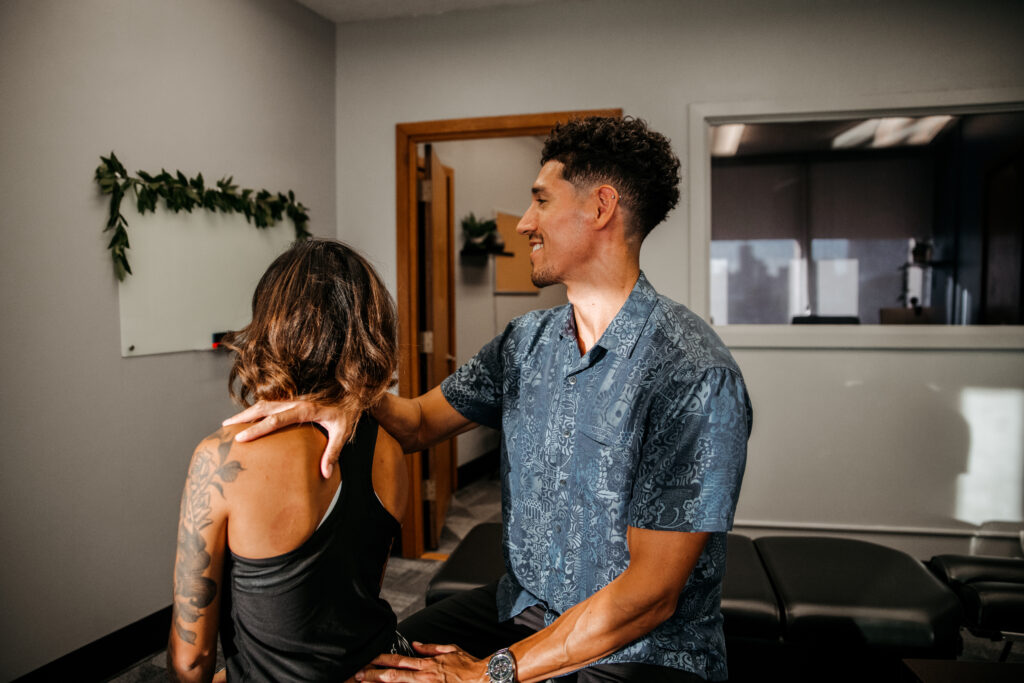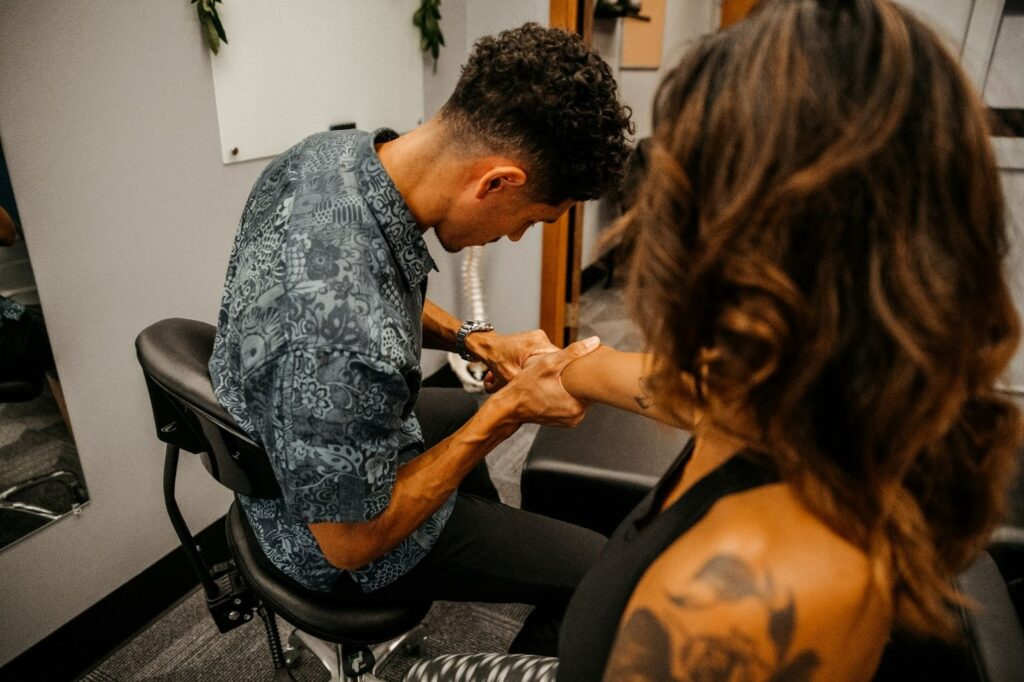

As a local chiropractor, I want to address a common issue many athletes face: persistent back pain. If you're dealing with this discomfort, know that you're not alone. Often, the underlying factors contributing to your pain are overlooked, and they can significantly impact your performance during and after sports activities.
Understanding these causes is crucial. Key elements such as core stability, proper warm-up routines, and good ergonomics play an essential role in managing back pain. By focusing on these areas, you can start to experience substantial relief.
But what if these strategies don't fully alleviate your discomfort? That's where chiropractic care comes in. There are deeper layers to your pain that we can explore together. By investigating the alignment of your spine and the overall function of your nervous system, we can uncover insights that may transform your approach to pain management.
Chiropractic care is a natural healing method that aims to restore balance and function to your body, ultimately enhancing your performance and helping you enjoy your activities pain-free. Let's work together to find the best solutions for your back pain and help you get back to doing what you love.
Understanding Back Pain Causes
As a local chiropractor, I often see patients who struggle with back pain, a common issue that affects many, including athletes. Understanding the underlying causes of back pain is crucial for both prevention and effective recovery. Whether you're a weekend warrior or a professional competitor, this persistent problem can be addressed by recognizing its origins.
One significant contributor to back pain is poor posture during physical activities. When you lift weights, run, or even sit for long periods without proper alignment, you can inadvertently strain your back muscles and spine.
Additionally, overuse injuries are prevalent; repetitive motions can lead to muscle fatigue and inflammation, which often results in discomfort.
Muscle imbalances can also play a role in back pain. If certain muscles in your body are disproportionately stronger or weaker, it can create unnecessary stress on your back. This is where we can help identify these imbalances and develop strategies to address them.
Core strength is another critical factor. A weak core doesn't provide adequate support for your spine, making it more vulnerable to injury. It's essential to incorporate exercises that strengthen your core to enhance stability and support.
Moreover, neglecting recovery time after intense workouts can lead to increased risk of injury. Your body needs sufficient time to heal and recuperate, and as a chiropractor, I can guide you on effective recovery strategies.
Environmental factors also shouldn't be overlooked. Training on uneven surfaces or wearing improper footwear can exacerbate back issues, leading to discomfort. If you're exercising on hard ground or in shoes that don't provide adequate support, your back may feel the repercussions.
By understanding these causes, you can take proactive steps toward mitigating your risk of back pain. At my practice, we focus on holistic and natural healing approaches to keep your back healthy, ensuring you can remain active and pain-free in your daily activities and sports.
If you're experiencing back pain, don't hesitate to reach out for guidance on how chiropractic care can help you on your journey to recovery.
Importance of Proper Warm-Up
As your local chiropractor, I want to emphasize the critical role of a proper warm-up before engaging in any physical activity.
Preparing your body through warm-up exercises significantly enhances your flexibility and mobility, which is vital for preventing injuries, particularly in your back. Many people overlook this important step, but taking just a few minutes to warm up can drastically improve your performance and overall well-being.
By incorporating a thoughtful warm-up routine, you aren't only protecting your spine but also setting yourself up for success in your physical endeavors.
Enhancing Flexibility and Mobility
As a local chiropractor, I want to emphasize the importance of proper warm-up routines for enhancing flexibility and mobility, particularly for athletes. Engaging in a good warm-up can significantly reduce the risk of back pain, which is often a concern for many individuals.
When you prepare your body for physical activity, you're not just elevating your heart rate; you're also increasing blood flow to your muscles. This process makes them more pliable and prepared for the demands of your sport, ultimately leading to a greater range of motion and improved overall movement quality.
Incorporating dynamic stretches into your warm-up can be a game changer for enhancing flexibility. Simple movements like arm circles, leg swings, and torso twists can activate the specific muscles you'll be using during your activities. These dynamic stretches not only promote flexibility but also engage your core, which is crucial for supporting your back and maintaining proper alignment.
It's also essential to pay attention to areas that tend to be tight, such as your hips and hamstrings. By dedicating time to stretching these regions, you can improve your performance and reduce tension in your back.
Additionally, a proper warm-up helps you mentally prepare for your workout, enhancing your focus and readiness. I encourage you to prioritize warm-up routines; they're a straightforward yet powerful step towards maintaining your back health and enhancing your overall athletic performance.
Reducing Injury Risk
As a local chiropractor, I want to emphasize the importance of warming up before engaging in any sports activities to help reduce your risk of injury. Properly preparing your body for physical exertion is crucial, as it increases blood flow to your muscles and enhances flexibility. This is vital in preventing strains or pulls while you're active.
Begin your warm-up with dynamic stretches that reflect the movements specific to your sport. For example, if you're gearing up for a soccer match, consider incorporating leg swings and high knees. These exercises not only warm up your muscles but also activate your nervous system, which can significantly improve your coordination and reaction times.
It's also essential to integrate sport-specific drills into your warm-up routine. These drills prepare your body for the intensity of the activity, gradually raising your heart rate and engaging the muscles you'll be using the most.
I recommend dedicating at least 10-15 minutes to warming up. Neglecting this important step can lead to injuries such as muscle strains or sprains, which can keep you on the sidelines for weeks.
Strengthening Core Muscles
As a local chiropractor, I want to emphasize the importance of strengthening your core muscles for maintaining stability and preventing back pain, especially during physical activities and sports. Many people may not realize that a strong core is foundational for overall health and athletic performance.
By incorporating effective core exercises into your routine, you can enhance your physical capabilities and significantly reduce the risk of injury.
A well-developed core supports your spine, aids in balance, and improves your posture, which are all crucial for both daily activities and sports performance. When your core is strong, it alleviates unnecessary strain on your back, helping to prevent discomfort and pain.
I encourage my patients to consider the impact that a strong core can have on their overall wellness and athletic journey. Strengthening these muscles not only helps in sports but also promotes better alignment and function of the entire body, leading to a healthier, more active lifestyle.
Through chiropractic care and natural healing practices, we can work together to build a strong foundation for your health. Let's explore the best core exercises tailored to your individual needs and goals.
Importance of Core Stability
As a local chiropractor, I want to emphasize the vital role that core stability plays in preventing sports-related back pain. Your core muscles are the foundation of your body's support system, providing essential stability to your spine during physical activities. When these muscles are strong and engaged, they function like a natural corset, helping to stabilize your pelvis and spine as you move. This stability allows your body to distribute forces evenly, significantly reducing strain on your back.
If your core lacks stability, your body tends to compensate by overusing other muscles, which can lead to fatigue and discomfort. You might notice that you experience pain during or after your workouts, making it difficult to perform at your best. Additionally, a weak core can negatively impact your balance and coordination, which increases your risk of injury.
A stable core also plays a crucial role in maintaining good posture. Proper alignment minimizes stress on your spine, which is especially important during dynamic sports activities. With a well-supported core, you'll not only reduce your risk of injury but also enhance your overall athletic performance, granting you better control over your movements.
Understanding the importance of core stability is essential for your health and well-being, especially if you're active in sports. I encourage you to consider exercises that strengthen your core, as they can lead to a healthier back and improved performance in your physical activities.
If you have any questions or would like guidance on how to strengthen your core, feel free to reach out!
Effective Core Exercises
As a local chiropractor, I often see patients who overlook the importance of core strength in their overall health and well-being. Incorporating effective core exercises into your routine can significantly enhance your stability and athletic performance, while also playing a crucial role in injury prevention, particularly for your back.
One of the foundational exercises I recommend is the plank. To perform a plank, hold a straight line from your head to your heels for about 30 seconds, gradually increasing your time as you build strength. This simple yet powerful exercise engages multiple muscle groups, creating a solid foundation for your core.
Another excellent exercise is the Russian twist. Sit on the floor with your knees bent, lean back slightly, and twist your torso from side to side while holding a weight or a medicine ball. Aim for 15-20 repetitions on each side. This movement specifically targets your obliques, which are essential for sports that require rotation.
Bridges are also a fantastic addition to your core routine. Lying on your back with your knees bent, lift your hips to create a straight line from your shoulders to your knees. Hold for a few seconds before lowering back down, and aim for 12-15 repetitions. This exercise not only strengthens your core but also supports your lower back.
Lastly, I encourage you to try dead bugs. Lying on your back, extend your opposite arm and leg while keeping your core engaged. This exercise improves coordination and stability, which are vital for injury prevention and overall body awareness.
By consistently practicing these core exercises, you'll strengthen your core and help alleviate back pain during your daily activities and sports.
Stretching Techniques for Relief
As a local chiropractor, I'm here to help you understand how effective stretching techniques can alleviate sports-related back pain. Many individuals may not realize that incorporating these simple yet powerful stretches into your daily routine can significantly improve your flexibility, reduce muscle tension, and enhance blood flow—all of which are vital for maintaining a healthy back.
Let's start with a fundamental stretch known as the cat-cow stretch. To perform this, get down on your hands and knees, aligning your wrists directly beneath your shoulders and your knees under your hips. Inhale deeply as you arch your back, lifting your head and tailbone—this is the cow position. Then, exhale and round your back, tucking your chin and pelvis into the cat position. Repeat this flowing movement for 5-10 cycles to gently warm up your spine and prepare it for movement.
Another beneficial stretch to consider is the child's pose. Begin by kneeling on the floor, sitting back on your heels, and extending your arms forward on the ground. Rest your forehead on the floor and take deep breaths for 20-30 seconds. This stretch is fantastic for gently elongating your back and relieving built-up tension.
You may also want to try the seated forward bend. Sit with your legs extended straight in front of you, then hinge at your hips and reach toward your toes. Hold this stretch for 20-30 seconds, paying attention to the sensations along your lower back and hamstrings as you gently ease into the position.
Lastly, don't overlook the standing side bend. Stand tall, raise one arm overhead, and lean to the opposite side, holding for a few breaths before switching sides. Incorporating these stretches into your daily routine can provide significant relief from back pain and enhance your overall athletic performance.
Ergonomics in Sports Activities
As a local chiropractor, I want to share with you the vital role that ergonomics plays in sports activities and how it can greatly benefit your athletic performance while promoting overall health.
By focusing on proper body mechanics, athletes can enhance their movements and significantly reduce the risk of injuries, including persistent back pain.
Understanding how to position yourself during various sports is crucial for your health and efficiency. Here are some key ergonomic principles to consider:
- Posture: Maintaining a strong and aligned posture is essential. It helps prevent unnecessary stress on your back, which can lead to discomfort or injury.
- Movement Patterns: Learning to move efficiently can decrease strain on your body and improve agility. This is particularly important in sports where quick, precise movements are required.
- Breathing Techniques: Proper breathing can stabilize your core muscles, providing better support for your spine during physical activity. This can enhance your endurance and performance.
- Recovery Practices: Don't overlook the importance of post-activity recovery. Prioritizing recovery allows your muscles to heal and reduces soreness, which is key for ongoing performance.
By integrating these ergonomic principles into your training routine, you'll not only improve your athletic performance but also safeguard against chronic pain.
It's essential to listen to your body and be open to making adjustments as needed. Experimenting with different techniques can help you discover what works best for you, and I'm here to help guide you through that process.
Embracing these practices can lead to a healthier, more active lifestyle.
Choosing the Right Equipment
As a local chiropractor, I want to emphasize the importance of selecting the right equipment for your physical activities to enhance your performance and minimize the risk of back pain. Whether you're into soccer, running, or weightlifting, the gear you choose can significantly impact your body mechanics and overall health.
First and foremost, let's talk about footwear. Wearing the right shoes is crucial for providing the support and cushioning your feet require. It's important to ensure that your shoes fit well and are appropriate for your specific sport; for instance, running shoes are designed quite differently from those made for court sports. A proper fit can help align your posture, which in turn reduces strain on your back.
Next, consider the protective gear you use. Items such as weightlifting belts or back braces can offer stability to your core and spine during heavy lifts, thus helping to prevent injuries. However, it's essential to remember that these aids should complement your efforts, not replace them. Good technique and body awareness are key components of injury prevention, and I encourage you to develop those habits as well.
When choosing sports equipment like racquets or bats, it's vital to select items that match your strength and skill level. Using gear that's too heavy or cumbersome can lead to poor form and unnecessary strain on your back. Opt for ergonomically designed equipment, as these items are crafted to align with your body's natural movements, which can help reduce the risk of injury.
Finally, don't underestimate the importance of customizing your setup. Simple adjustments, like raising your bike seat or fine-tuning the straps on your backpack, can make a significant difference in how your body feels during and after your activities. By being mindful and making informed choices about your equipment, you can set yourself up for success and significantly reduce the likelihood of back pain.
Recovery and Rest Strategies
As a local chiropractor, I want to emphasize the importance of recovery and rest as crucial elements in maintaining a healthy athletic routine. Many of my patients often feel compelled to push through discomfort, but it's vital to recognize that ignoring your body's signals can lead to more severe injuries, particularly concerning back pain.
Prioritizing recovery not only helps you stay active longer but also enables you to perform at your peak.
Here are some effective strategies you can incorporate into your daily routine:
- Listen to Your Body: Be mindful of any signs of fatigue or pain. If you experience back discomfort, it's essential to take a step back and evaluate what your body is telling you.
- Schedule Rest Days: Just as you'd allocate time for workouts, it's important to set aside dedicated rest days. This allows your muscles the opportunity to recover and rebuild, which is essential for overall well-being.
- Incorporate Active Recovery: Engage in gentle activities like walking, yoga, or swimming. These forms of active recovery can enhance blood circulation without putting extra strain on your body.
- Get Quality Sleep: Never underestimate the power of a good night's sleep. Aim for 7-9 hours of restorative sleep each night to support your body's healing processes and recharge your energy levels.
By integrating these recovery strategies into your routine, you'll not only help prevent back pain but also foster a healthier and more sustainable athletic lifestyle.
Role of Physical Therapy
As a local chiropractor, I want to emphasize the vital role that chiropractic care plays in managing sports-related back pain and supporting your recovery journey. When you come to see me, I'll conduct a thorough assessment of your condition to understand your specific needs. Based on this assessment, I'll create a personalized treatment plan that addresses your unique situation.
Chiropractic care often involves gentle adjustments and manipulations to help align your spine and improve overall function. These adjustments can alleviate pain by relieving pressure on nerves and surrounding tissues, ultimately enhancing your range of motion and reducing discomfort.
Additionally, I may recommend specific exercises that focus on strengthening your core, increasing flexibility, and promoting better posture—key elements in alleviating back pain.
Education is also a fundamental aspect of our approach. I'll guide you on proper body mechanics and movement patterns, teaching you how to lift, bend, and move in ways that protect your spine and prevent future injuries. This knowledge can empower you to take control of your health and well-being.
In conjunction with adjustments and exercises, I may utilize various natural modalities, such as heat therapy, cold therapy, or electrical stimulation, to effectively manage pain and inflammation. These complementary techniques can enhance your recovery process and provide relief from discomfort.
Consistency is crucial in your chiropractic care. By adhering to the treatment plan I provide and following my recommendations, you'll likely see significant improvements in your condition. Keeping track of your progress can also be motivating and helps you understand how your body is responding to care.
Ultimately, chiropractic care equips you with the tools and knowledge necessary to take charge of your recovery. By actively engaging in your treatment, you won't only address your back pain but also enhance your overall athletic performance and well-being.
When to Seek Professional Help
As a local chiropractor, I want to help you understand the importance of recognizing when to seek professional help for back pain. Ignoring persistent discomfort can lead to more serious issues if not addressed promptly.
If you're experiencing any of the following symptoms, it's crucial to consult a healthcare professional like me:
- Radiating Pain Down Your Legs: This symptom may suggest nerve compression or a herniated disc, which can be effectively addressed through chiropractic care.
- Loss of Bladder or Bowel Control: This is a serious sign of cauda equina syndrome, a medical emergency that requires immediate attention. If you experience this, don't hesitate to seek urgent care.
- Severe Pain That Doesn't Improve: If your back pain interferes with your daily activities or fails to respond to rest or over-the-counter medications, it's time to reach out for help. Chiropractic adjustments can often relieve this kind of pain.
- Pain Accompanied by Fever or Unexplained Weight Loss: These symptoms may indicate a more serious underlying condition that requires urgent evaluation and treatment.
Listening to your body is vital. If your back pain is hindering your ability to participate in sports or daily life, don't wait to seek assistance.
Early intervention can prevent complications and enhance your recovery. Remember, there's no shame in asking for help. Whether you come to see me or another healthcare professional, we can work together to develop a personalized treatment plan that addresses your needs.
Don't let back pain keep you from enjoying your favorite activities—take action today and discover the benefits of chiropractic care and natural healing! Your health and well-being are worth it.
Conclusion
As a local chiropractor, I want to emphasize the importance of a proactive approach to managing sports-related back pain. Strengthening your core is essential, as it provides the support your spine needs during physical activities. Additionally, proper warm-up routines and using the right equipment can significantly lessen discomfort and prevent injuries.
Don't underestimate the power of stretching and recovery strategies, as they play a vital role in promoting healing and flexibility. If you find that your pain persists despite these efforts, I encourage you to seek professional help. Chiropractic care can provide tailored treatments that not only alleviate pain but also enhance your overall performance and well-being.
It's crucial to stay informed about your body and its signals. By being attentive to how you feel and incorporating natural healing practices, you can enjoy your favorite sports activities with greater comfort and ease. Remember, your health is a priority, and I'm here to support you on your journey to relief and better performance.