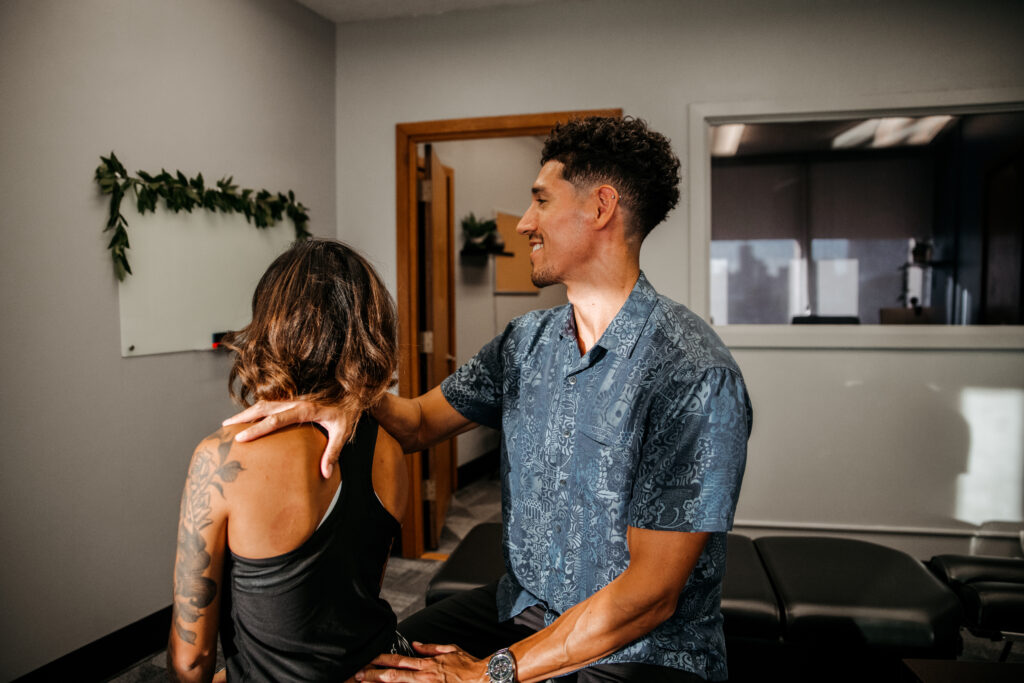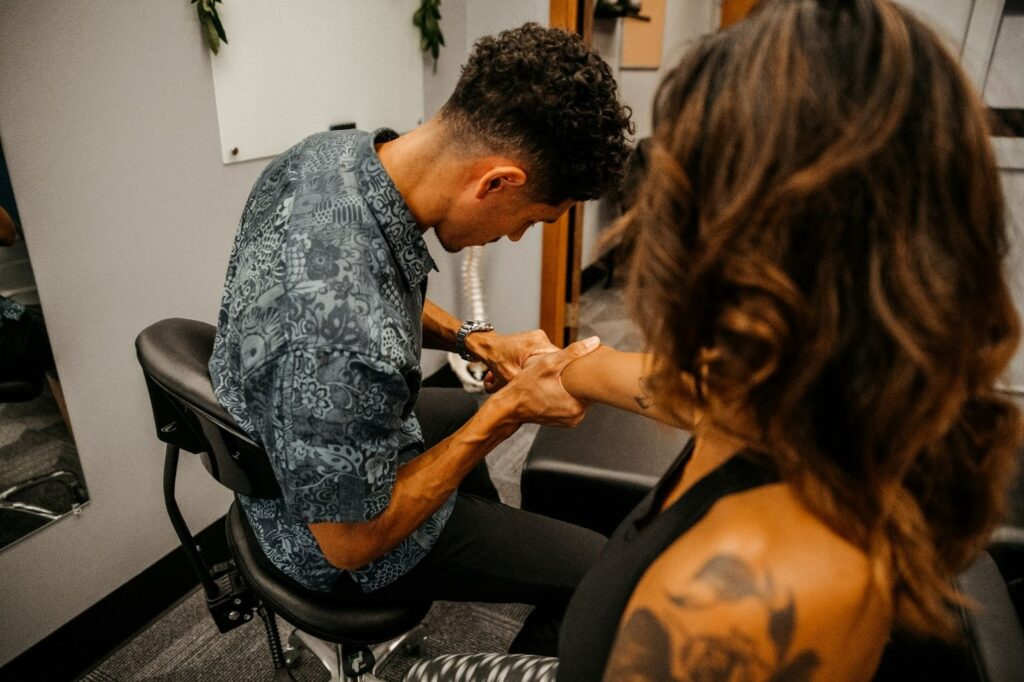

When it comes to unlocking your peak performance, addressing injuries is often the first crucial step. As your local chiropractor, I want to emphasize that healing isn't just about resting; it's about using innovative techniques like cryotherapy and PRP therapy to accelerate your recovery. But there's so much more to it! Proper nutrition and mental resilience play a significant role in your healing journey, influencing not only how you recover but also how you come back even stronger.
Understanding these elements is essential for preventing future injuries and enhancing your overall performance. It's about viewing your health holistically—every aspect contributes to your well-being. So, as you think about your recovery, ask yourself: What's the next step I can take to support my healing process? Together, we can explore natural healing methods that will empower you to achieve your best.
Understanding Common Athlete Injuries
As a local chiropractor, I want to help you understand the common injuries athletes often face and how chiropractic care can play a vital role in your recovery.
Whether you're an athlete yourself or simply someone who enjoys physical activity, injuries like sprains, strains, and more can be challenging. Recognizing these injuries and their symptoms is essential for effective healing.
One of the most frequent injuries is a sprain, which occurs when ligaments are stretched or torn. If you notice pain, swelling, or instability in a joint—especially in the ankle or knee—there's a good chance you're dealing with a sprain. It's important to seek care, as chiropractic adjustments can improve joint function and aid in the healing process.
Strains are another common injury, affecting muscles or tendons. You might experience sudden pain, muscle spasms, or limited movement, particularly in areas like the hamstrings or quadriceps. Chiropractic techniques can help relieve pain and restore mobility, allowing for a smoother recovery.
Tendonitis, often resulting from overuse, is another issue many athletes encounter. If you're experiencing persistent pain around a joint, such as your shoulder or elbow, that worsens with movement, it may be tendonitis. Chiropractic care can address the underlying causes and help reduce inflammation, promoting healing.
Stress fractures, tiny cracks in bones, are also prevalent, especially among runners. If you're feeling localized pain that intensifies with activity and eases with rest, it's crucial to consult a professional. Chiropractic care can assist in managing pain and ensuring your body is functioning optimally to prevent further injury.
Lastly, concussions are serious injuries that can occur in contact sports. If you or someone you know experiences symptoms like confusion, headaches, or balance issues, it's imperative to seek immediate attention. As a chiropractor, I can provide supportive care to help manage symptoms and facilitate recovery.
By understanding these common injuries and their signs, you can take proactive steps toward treatment. Chiropractic care focuses on natural healing and restoring balance to your body, helping you get back to peak performance faster and more effectively.
Let's work together to keep you moving and healthy!
Innovative Healing Techniques
As a local chiropractor, I want to share with you some innovative healing techniques that are revolutionizing the way athletes—and anyone suffering from injuries—recover.
One method that has gained a lot of attention is cryotherapy. This involves exposing your body to extremely cold temperatures for short durations, which can significantly help reduce inflammation and accelerate recovery by improving blood circulation and alleviating pain. Many athletes have found it to be a quick and effective way to relieve discomfort and enhance healing.
Another exciting approach is regenerative medicine, specifically platelet-rich plasma (PRP) therapy. In this procedure, we draw a small sample of your blood, process it to concentrate the platelets, and then inject it back into the area of injury. This can stimulate your body's natural healing processes, promote tissue repair, and help you recover faster.
You may also want to explore electrical stimulation therapy. This technique uses low-voltage electrical currents to aid in healing and reduce muscle spasms. It can be particularly beneficial for muscle injuries, helping to improve strength and increase your range of motion.
In addition to these physical techniques, the use of virtual reality (VR) in rehabilitation is becoming more popular. By immersing yourself in a carefully controlled virtual environment, you can perform specific movements and exercises that are tailored to your recovery needs. This makes the rehabilitation process not only more engaging but also more effective.
Lastly, I encourage you to consider the benefits of mindfulness and meditation. These practices can significantly aid in managing pain and stress during your recovery, allowing your body to heal more efficiently.
The Role of Nutrition in Recovery
As a local chiropractor dedicated to your holistic health, I want to emphasize that while innovative treatments like cryotherapy and PRP therapy can significantly aid in recovery, the role of nutrition in your healing journey is just as crucial.
The food choices you make can profoundly influence your recovery speed, reduce inflammation, and enhance your overall well-being. To help you optimize your nutrition for better healing, let's explore four essential components:
1. Protein: This macronutrient is vital for repairing tissues, as it aids in rebuilding muscles and tendons that may have been strained or injured.
Incorporate sources of lean protein into your meals, such as chicken, fish, eggs, and plant-based options like beans and lentils, to support your body's recovery process.
2. Omega-3 Fatty Acids: Known for their anti-inflammatory properties, these healthy fats can help speed up your healing.
I recommend including fatty fish like salmon, walnuts, and flaxseeds in your diet. They not only promote healing but also contribute to overall joint health.
3. Antioxidants: Consuming foods rich in antioxidants is essential for combating oxidative stress, which can impede your recovery.
Make a habit of loading your plate with colorful fruits and vegetables, such as berries, leafy greens, and bell peppers. These nutrient-dense foods can enhance your body's ability to heal.
4. Hydration: Proper hydration is fundamental to all aspects of recovery.
Water plays a critical role in supporting every bodily function, including the transport of nutrients. Be sure to drink enough fluids throughout the day, and consider electrolyte-rich beverages if you're engaging in activities that cause heavy sweating.
As your chiropractor, I encourage you to take these nutritional guidelines seriously.
They can significantly enhance your healing process and contribute to your overall health. Remember, recovery is a comprehensive journey, and nutrition is a powerful tool in that journey.
Mental Resilience and Injury Recovery
Injuries can significantly impact your mental well-being, making it crucial to foster resilience during your recovery journey. As a chiropractor, I understand that when you encounter setbacks, it's common to feel frustrated, anxious, or even defeated. However, developing a strong mindset can be one of your greatest assets.
The first step in this process is acknowledging your feelings—it's perfectly normal to feel upset about your injury. Acceptance is vital for healing.
Next, I encourage you to set realistic goals for your recovery. Break down your rehabilitation into smaller, manageable milestones that you can work towards. Celebrate each achievement, no matter how small; this will help you maintain motivation and a positive outlook.
Surround yourself with a support system of friends, family, or teammates who can provide encouragement during challenging times. Sharing your thoughts and experiences can help you feel less isolated.
Incorporating mindfulness techniques, such as meditation or visualization, can also be beneficial. These practices can help you remain focused and calm throughout your recovery. Visualizing your success and the steps you'll take to reach it can enhance your belief in your ability to heal.
Moreover, stay connected to your sport or activity as much as possible. Whether it involves analyzing plays, watching games, or participating in training sessions, keeping your passion alive can significantly boost your motivation.
Finally, it's essential to recognize that setbacks are a natural aspect of the healing journey. Embrace these challenges as opportunities for growth. Building mental resilience isn't merely about enduring difficulties; it's about thriving through adversity.
This approach not only aids in your recovery but also prepares you for future successes in your athletic pursuits. As your chiropractor, I'm here to support you in both your physical and mental recovery, utilizing natural healing methods that enhance your overall well-being.
Preventing Future Injuries
As a local chiropractor, I want to emphasize the importance of preventing future injuries, especially after your recovery. Your body has undergone significant stress, and protecting it should now be your main focus. Here are some key strategies to help you maintain optimal health and prevent future injuries:
1. Warm-Up and Cool Down: It's essential to begin every workout with a proper warm-up. This prepares your muscles and joints for the physical demands ahead.
Similarly, cooling down after your activity is crucial; it helps to gradually lower your heart rate and can significantly reduce post-exercise stiffness.
2. Strength Training: Consider incorporating strength training into your fitness routine. A comprehensive program that emphasizes core stability, flexibility, and strength can help ensure that your muscles are well-balanced.
This balance is vital for reducing the risk of injuries, as it supports proper alignment and function of your body.
3. Listen to Your Body: One of the most important aspects of injury prevention is tuning in to what your body is telling you. If you experience pain or discomfort during any activity, it's crucial not to ignore those signals.
Instead, adjust your intensity or take a break as needed. Remember, your body is your best guide.
4. Cross-Training: To keep your body resilient, mix up your workout routine with different activities. Engaging in various sports or exercises not only strengthens different muscle groups but also helps prevent overuse injuries.
This variety can keep your workouts interesting while promoting overall fitness.
By adopting these strategies, you can help safeguard your body against future injuries and promote a healthier, more active lifestyle.
Conclusion
As a local chiropractor, I want to emphasize the importance of addressing both the physical and mental facets of recovery to help you reach your peak performance. It's crucial to understand that healing from injuries goes beyond just treating the symptoms; it involves integrating innovative healing techniques, prioritizing proper nutrition, and developing mental resilience.
By adopting a holistic approach to your health, which includes preventive care and a strong support system, you can not only recover from injuries but also significantly reduce the risk of future issues. Chiropractic care can play a vital role in this process by aligning your spine and improving your overall body function, which is essential for optimal performance.
Let's work together to create a personalized plan that helps you heal and strengthens your body, ensuring that you return to your activities stronger and more motivated than ever. Your journey to achieving ideal performance starts with understanding the benefits of natural healing and the supportive role of chiropractic care.