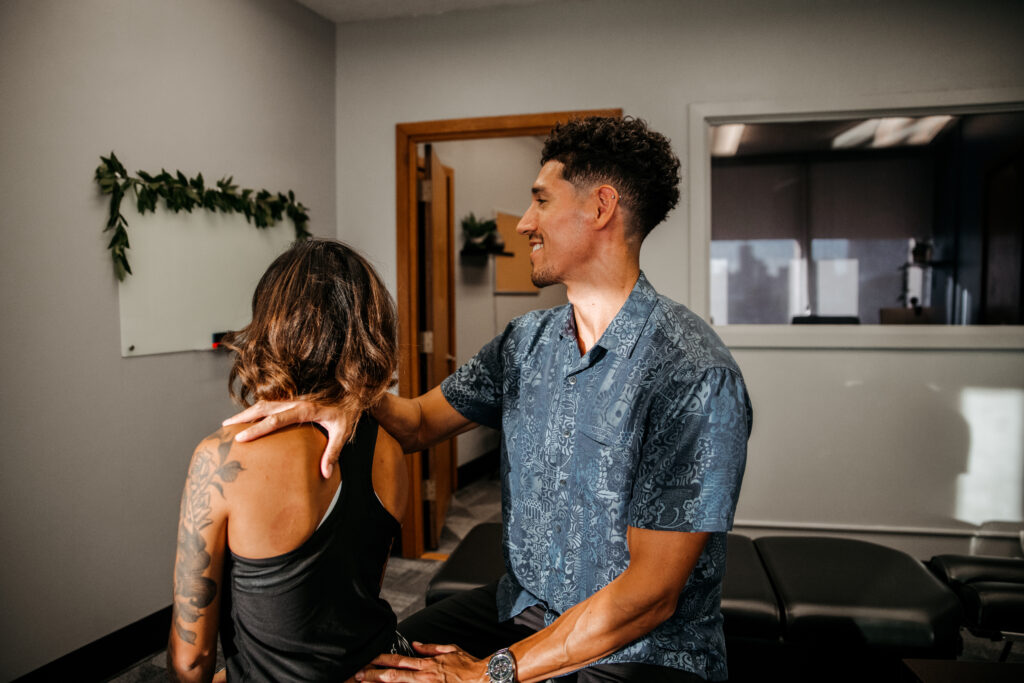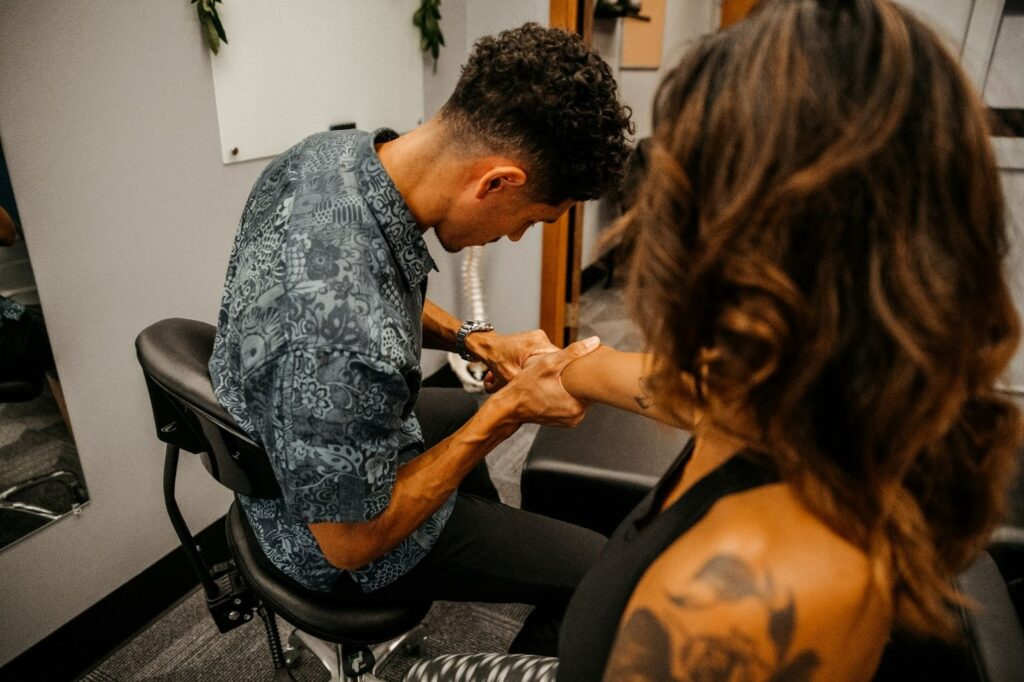

As a local chiropractor, I want to share some effective techniques for relieving back pain that you can easily incorporate into your daily life. If you're experiencing discomfort, it's important to focus on strategies that promote healing and support your spine naturally. One beneficial approach is to include targeted stretching exercises, such as the Cat-Cow stretch, which can help alleviate tension in your back.
Additionally, engaging in core-strengthening workouts is crucial, as a strong core provides essential support to your spine, reducing the risk of further injury. Another simple yet effective method is utilizing heat and cold therapy; alternating between these can significantly enhance your comfort levels and promote healing.
But there's more to consider beyond these techniques. Mindfulness practices, such as deep breathing or meditation, can help you manage stress, which often contributes to muscle tension. Furthermore, making ergonomic adjustments in your workspace or home can prevent strain on your back during daily activities.
By combining these elements—stretching, strengthening, heat and cold therapy, mindfulness, and ergonomic adjustments—you can create a comprehensive approach to alleviating back pain. I encourage you to explore these methods as part of your journey toward better spinal health.
Stretching Exercises
As a local chiropractor, I want to share with you some effective stretching exercises that can significantly alleviate your back pain and enhance your flexibility. Many of my patients have found that incorporating these stretches into their daily routine not only relaxes their muscles but also helps dissipate tension and improves their overall range of motion.
It's essential to focus on stretches that target the muscles surrounding your spine, as these play a vital role in supporting your back.
Let's begin with a gentle movement known as the cat-cow stretch. Start on all fours, arching your back upwards like a cat and then lowering it down while lifting your head and tailbone. This dynamic movement not only mobilizes your spine but also relieves built-up tension.
Another beneficial stretch is the child's pose. Kneel on the floor, sit back on your heels, and extend your arms forward on the ground. This position effectively stretches your lower back and encourages a sense of relaxation.
Don't overlook the importance of the hamstring stretch. Sit with one leg extended and the other bent, reaching toward your toes. Tight hamstrings can contribute to back discomfort, so maintaining their flexibility is crucial for overall back health.
Lastly, consider incorporating the seated spinal twist into your routine. While seated, gently twist your torso to one side, keeping your hips stable, then switch to the other side. This stretch enhances spinal mobility and helps release tension in your back.
As you perform these stretches, remember to breathe deeply and hold each position for at least 15 to 30 seconds. Consistency is key; I encourage you to stretch daily to maintain flexibility and alleviate discomfort.
Always listen to your body and ease into each stretch—this will yield the best results and support your journey toward natural healing. If you have any questions or need personalized guidance, feel free to reach out to me during your next visit.
Strengthening Workouts
As a local chiropractor, I want to emphasize the importance of incorporating a variety of strengthening workouts into your daily routine for optimal back health and overall stability.
These exercises aren't just about building muscle; they play a crucial role in improving your posture, reducing the risk of injuries, and alleviating any existing pain you may be experiencing.
One of the key areas to focus on is your core. A strong core is essential for supporting your spine and distributing weight evenly throughout your body.
Let's start with planks. This exercise engages your entire core and can be performed by holding a plank position for 20 to 30 seconds. As your strength improves, you can gradually increase the duration.
Another effective exercise is the bridge. To perform this, lie on your back with your knees bent and feet flat on the floor. Lift your hips off the ground while squeezing your glutes at the top. Aim for 10 to 15 repetitions to build strength in your lower back and glutes.
Don't overlook the importance of back extensions. You can do this on a stability ball or mat by lying face down and gently lifting your upper body while keeping your feet grounded. This movement is fantastic for strengthening your lower back and promoting better posture.
Incorporating rows into your routine can also be incredibly beneficial. You can use resistance bands or dumbbells, pulling them towards you while keeping your elbows close to your body. This exercise helps strengthen the upper back, which is essential for maintaining proper alignment.
Lastly, I highly recommend considering practices like yoga or Pilates. These disciplines emphasize core strength and flexibility, which are vital for overall body awareness and maintaining proper alignment in your daily activities.
It's essential to listen to your body as you incorporate these strengthening workouts. If you're ever unsure about your form or which exercises are best suited for you, please don't hesitate to consult with a healthcare professional.
Heat and Cold Therapy
As your local chiropractor, I want to share some valuable insights about managing back pain using heat and cold therapy. These natural methods can be incredibly effective in providing relief and supporting your body's healing process. Understanding when to apply heat or cold can significantly influence your recovery journey.
Let's start with cold therapy, which is particularly beneficial for acute pain, especially within the first 48 hours following an injury. Using an ice pack or a cold compress on the affected area can help reduce inflammation and numb any sharp sensations.
Remember to wrap the ice pack in a cloth to prevent frostbite, and apply it for about 15-20 minutes at a time. You can do this several times throughout the day for optimal results.
On the flip side, heat therapy is fantastic for addressing chronic pain or muscle stiffness. It works by relaxing and loosening tissues, which improves blood flow to the area. You can utilize a heating pad, a hot water bottle, or even indulge in a warm bath.
Just like with cold therapy, it's essential to limit heat application to 15-20 minutes to avoid skin irritation.
For those who experience muscle spasms or tension, I often recommend alternating between heat and cold therapy. This combination can enhance relief—start with cold therapy to tackle inflammation, then transition to heat to encourage relaxation and healing.
Always pay attention to how your body responds. If you experience increased pain or discomfort, it's important to stop and consult with me or another healthcare professional for tailored advice.
With the right approach, heat and cold therapy can be powerful allies in your journey to alleviate back pain and promote overall wellness. Remember, chiropractic care and natural healing methods work hand in hand to support your health.
Mindfulness and Relaxation
As a local chiropractor, I want to share how embracing mindfulness and relaxation techniques can significantly enhance your journey toward relieving back pain. By incorporating these practices into your daily routine, you can effectively reduce stress, boost your mental well-being, and alleviate the physical tension that often contributes to discomfort in your back.
One effective method to start with is mindfulness meditation. I encourage you to find a quiet space, close your eyes, and focus on your breathing. When thoughts come to mind, acknowledge them without judgment, and gently redirect your focus back to your breath. This simple yet powerful practice helps you cultivate awareness of your body and its sensations, making it easier to identify areas of tension and discomfort.
Over time, you'll learn to interpret your body's signals better and respond to stress in a more constructive way.
In addition to meditation, I recommend trying progressive muscle relaxation. This technique involves tensing and then relaxing different muscle groups throughout your body. Start at your toes, squeeze them tightly for a few seconds, and then let go. Gradually move up through your legs, abdomen, arms, and finally to your head.
This practice not only helps you pinpoint areas of tension but also promotes overall relaxation, which can significantly diminish your perception of pain.
Moreover, consider incorporating gentle yoga or stretching into your routine. These movements are excellent for promoting relaxation and improving flexibility, which can alleviate pressure on your spine and support your chiropractic care.
Ergonomic Adjustments
As a local chiropractor, I want to help you understand how making ergonomic adjustments in your workspace can significantly relieve back pain and prevent future discomfort.
Let's start with your chair – it's crucial that it provides proper support for your lower back. Your feet should be resting flat on the floor or on a footrest, and the chair height should allow your knees to be at a 90-degree angle. If your chair lacks lumbar support, you might want to use a small cushion to help maintain the natural curve of your spine.
Next, let's talk about your desk setup. Ideally, your computer monitor should be at eye level and about an arm's length away. This placement helps to prevent leaning forward and straining your neck. If you're using a laptop, consider investing in a stand to elevate the screen. Pair this with an external keyboard and mouse to ensure your hands are positioned comfortably.
Posture is another critical aspect to consider. Make sure you sit back in your chair with your shoulders relaxed and elbows close to your body. Try to avoid slouching or leaning forward, as these positions can lead to discomfort.
Don't forget to take breaks every hour – standing, stretching, or walking around can help reduce stiffness and improve circulation, which is essential for maintaining a healthy back.
Lastly, think about the overall organization of your workspace. Keeping frequently used items within arm's reach can help minimize twisting and stretching, making your environment more ergonomic.
Conclusion
As your local chiropractor, I want to share some valuable techniques that can truly help you manage and alleviate back pain in your daily life. By incorporating a combination of stretching and strengthening exercises, you can enhance your spinal support. Additionally, using heat and cold therapy can provide significant relief to your sore muscles and joints.
It's also crucial to practice mindfulness and relaxation techniques to reduce stress, which can often exacerbate back pain. Moreover, paying attention to your workspace ergonomics is essential; ensuring that your posture is aligned while sitting or standing can prevent further discomfort.
By embracing these natural healing strategies, you'll be taking significant steps toward achieving a healthier, pain-free back. Remember, your body has an incredible ability to heal itself, and chiropractic care can guide you on this journey.