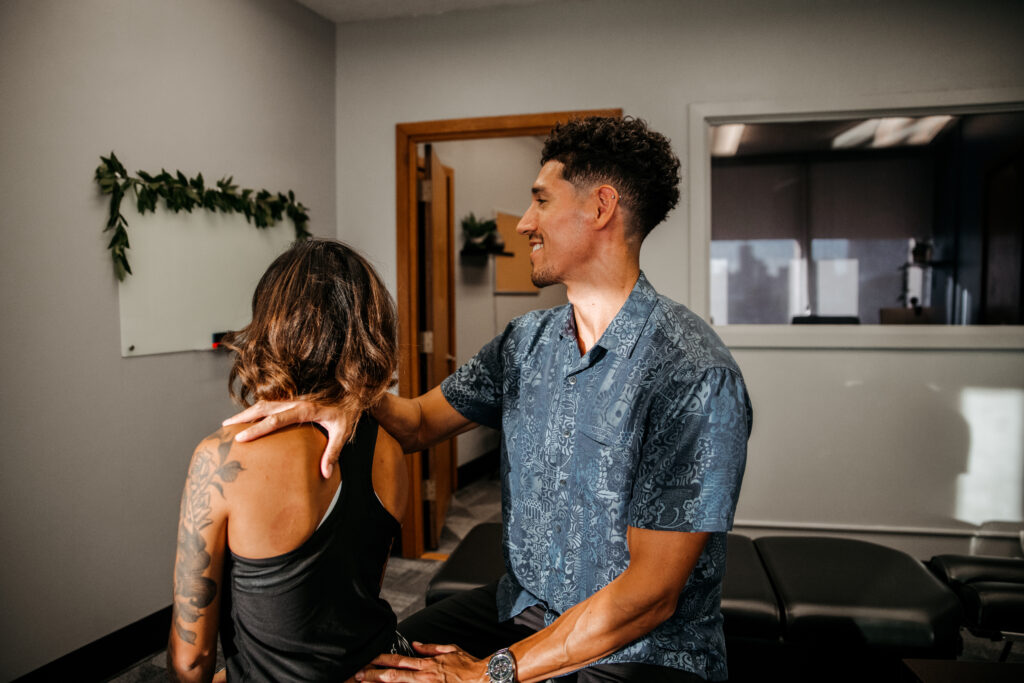

If you’re experiencing ongoing neck pain, you’re not alone, and you may be looking for effective ways to find relief. Chiropractic care is an excellent option that targets the root cause of your discomfort while promoting overall wellness. Our techniques, ranging from gentle spinal adjustments to soft tissue therapies, can help you feel better and live a healthier life.
So, what specific chiropractic techniques can provide the most relief for your neck pain? Here are some top methods that may change how you feel:
- Spinal Adjustments: This cornerstone of chiropractic care helps realign the vertebrae in your neck, relieving pressure on nerves and improving your range of motion. Gentle adjustments can lead to significant pain reduction and enhanced overall function.
- Soft Tissue Therapies: Techniques like massage, myofascial release, and trigger point therapy can alleviate tension in the muscles surrounding your neck. These therapies help relax tight muscles, improving circulation and promoting healing.
- Posture Correction: Poor posture can contribute to neck pain. A chiropractor can provide personalized advice on maintaining healthy posture, whether you’re sitting at a desk or using your phone. Simple adjustments to your workspace or daily habits can make a big difference.
- Stretching and Strengthening Exercises: We often recommend specific exercises to strengthen the muscles supporting your neck and improve flexibility. Incorporating these exercises into your routine can prevent future pain and promote long-term health.
- Lifestyle Tips: Adopting a healthier lifestyle can also aid in neck pain relief. Stay hydrated, maintain a balanced diet, and incorporate regular physical activity into your routine. Simple changes like taking breaks from screens and practicing relaxation techniques can help reduce tension in your neck.
Chiropractic care is a natural, effective choice for managing neck pain and enhancing your overall wellness. By addressing the underlying issues, you can achieve lasting relief and enjoy a better quality of life. If you’re ready to take the first step towards feeling better, consider visiting your local chiropractor for a consultation. Your path to optimal health starts here!
Understanding Neck Pain and Its Causes
Neck pain can be a real nuisance, impacting your daily activities and overall well-being. One of the most common reasons for neck pain is poor posture, especially if you spend long hours hunched over a computer or looking down at your phone. This can lead to muscle strain, which often results from overexertion or sleeping in an awkward position.
Stress can also play a significant role, as it leads to tension in your neck and upper back. Injuries like whiplash from car accidents can leave you with persistent pain. Additionally, degenerative diseases such as arthritis may contribute to discomfort by wearing down your joints and creating stiffness.
Issues like herniated discs can further complicate matters, as they may press on nerves and cause radiating pain. Understanding these causes is crucial for effectively addressing your neck pain, and chiropractic care is an excellent option to consider. Chiropractors specialize in identifying the root causes of neck pain and providing natural, hands-on treatments to promote healing and restore mobility without the need for medications or surgeries.
Here are a few tips to help manage neck pain and enhance your overall wellness:
- Maintain Good Posture: Ensure that your workstation is ergonomically friendly. Keep your screen at eye level and take regular breaks to stretch.
- Stay Active: Engage in regular physical activity to strengthen your neck and back muscles. Simple exercises like gentle neck stretches can make a big difference.
- Manage Stress: Incorporate relaxation techniques such as deep breathing, yoga, or meditation into your routine to reduce tension in your neck.
- Sleep Smart: Invest in a supportive pillow that keeps your neck aligned with your spine while you sleep. Try to sleep on your back or side rather than your stomach.
- Stay Hydrated: Drinking plenty of water can help maintain the health of your spinal discs, which can reduce the risk of neck pain.
If you’re experiencing neck pain, consider visiting a chiropractor. They can provide personalized care that targets the underlying issues, helping you find relief and achieve optimal health naturally.
Chiropractic Spinal Adjustments
If you’re experiencing neck pain, chiropractic spinal adjustments can be one of the most effective and natural ways to find relief. These adjustments involve applying gentle, controlled force to specific joints in your spine to help restore proper alignment and improve your range of motion. By realigning your vertebrae, we can reduce pressure on surrounding nerves and ease muscle tension, which often leads to a significant decrease in pain.
During a typical chiropractic session, you’ll lie comfortably while I use my hands or specialized tools to perform the adjustments. You may hear a popping sound, which is perfectly normal and simply means gas is being released from your joints. Many patients feel immediate relief after their adjustments, and regular visits can help maintain the health of your neck and spine.
Incorporating chiropractic spinal adjustments into your wellness routine not only helps alleviate pain but also enhances your overall function and can prevent future discomfort.
Here are a few tips for maintaining a healthy neck:
- Practice Good Posture: Be mindful of your posture while sitting, standing, and using your phone. Keeping your head aligned over your spine can reduce strain on your neck.
- Stay Active: Engage in regular physical activity, especially exercises that strengthen the neck and upper back muscles. Stretching is also beneficial for maintaining flexibility.
- Use Supportive Pillows: Choose a pillow that supports your neck’s natural curve, especially if you sleep on your side or back.
- Take Breaks: If you work at a desk or use a computer for long periods, take breaks to stretch and move around to prevent stiffness.
If you’re struggling with neck pain, consider scheduling an appointment with me to explore how chiropractic spinal adjustments can help you achieve optimal health and wellness naturally. Your journey to a pain-free life starts here!
Soft Tissue Therapy Techniques
As a local chiropractor, I want to share some valuable insights about soft tissue therapy techniques, such as myofascial release and trigger point therapy, which can be incredibly effective for relieving neck pain.
These techniques focus on specific muscle groups and the fascia surrounding them, helping to release tension and improve your mobility.
While these methods can certainly provide relief, I believe that chiropractic care is the best approach to achieving optimal health and wellness.
Chiropractic adjustments not only address the root cause of your neck pain but also promote overall spinal health, which is essential for your body’s proper function.
If you’re dealing with discomfort, consider incorporating some simple practices into your routine.
Here are a few tips to help you manage neck pain:
- Stay Hydrated: Drinking plenty of water supports muscle function and helps keep your fascia healthy.
- Practice Good Posture: Whether sitting at a desk or looking at your phone, maintaining good posture can prevent unnecessary strain on your neck.
- Stretch Regularly: Gentle neck stretches can help alleviate tension and improve flexibility.
- Heat Therapy: Applying a warm compress to your neck can help soothe tight muscles and promote relaxation.
- Chiropractic Adjustments: Regular visits to your chiropractor can help maintain spinal alignment and prevent future pain.
Remember, natural healing through chiropractic care not only addresses your pain but also enhances your overall quality of life.
Explore these methods and consider visiting your local chiropractor for a personalized approach to your health and wellness journey.
Myofascial Release Techniques
Myofascial release techniques are a fantastic way to ease neck pain by focusing on the fascia, which is the connective tissue surrounding your muscles. This gentle approach is designed to relieve tension and enhance blood flow in the areas that are causing discomfort.
During your session, I’ll use soft, sustained pressure on specific points to help release tightness and restore your mobility. Many patients experience immediate relief as the tension melts away, allowing for a greater range of motion.
It’s important to communicate openly during our sessions, especially if you feel any discomfort. Your feedback helps me tailor the treatment to your needs.
By incorporating myofascial release into your chiropractic care plan, we can significantly boost the effectiveness of your treatment. This technique not only alleviates pain but also encourages relaxation, which is essential for your overall well-being.
For those looking to enhance their wellness at home, consider implementing gentle stretching exercises into your daily routine and practicing good posture throughout the day. Staying hydrated and using heat therapy can also provide additional relief.
Trigger Point Therapy
If you’re dealing with neck pain, trigger point therapy could be the solution you’ve been searching for. This specialized technique focuses on tight areas in your muscles, known as trigger points, which can often lead to discomfort in other parts of your body.
As a chiropractor, I apply gentle pressure to these specific points, helping to release muscle tension and improve blood circulation.
While you may feel some discomfort during the treatment, it’s usually only temporary and can lead to significant relief. By effectively addressing these trigger points, many of my patients experience reduced pain and enhanced mobility in their necks.
Incorporating trigger point therapy into your overall treatment plan can work hand-in-hand with other chiropractic techniques, creating a comprehensive approach to your neck pain relief.
Here are a few tips you can take away:
- Stay Active: Regular gentle exercises and stretches can help maintain neck mobility and prevent tightness.
- Posture Check: Be mindful of your posture, especially if you spend long hours at a desk. Ensure your workstation is ergonomically friendly.
- Heat Therapy: Applying a warm compress to your neck can help soothe muscle tension before your chiropractic visits.
- Hydrate: Drinking plenty of water supports muscle health and can aid in recovery.
Don’t hesitate to discuss the benefits of trigger point therapy with me at your next visit. Together, we can create a personalized plan to help you achieve optimal health and wellness through natural chiropractic care.
Cervical Mobilization
Cervical mobilization is an incredibly effective technique for relieving neck pain and enhancing mobility, and it’s a key part of the holistic approach we take in chiropractic care. This hands-on method involves gentle, controlled movements of the cervical spine, specifically targeting areas that may be restricted to help restore normal function.
When you choose cervical mobilization as part of your chiropractic treatment, you can expect to feel immediate relief as the tension in your neck starts to ease. This technique not only helps to decrease stiffness but also enhances your range of motion. Additionally, it promotes healthy blood flow, which is essential for healing and reducing inflammation. This makes it especially beneficial if you’re dealing with discomfort caused by muscle tightness or joint restrictions.
During your chiropractic sessions, we may incorporate cervical mobilization alongside other natural treatments to support your recovery journey. Our goal is to ensure that you feel comfortable and cared for as we work together toward your wellness.
Many patients find that cervical mobilization isn’t only effective but also a soothing experience, making it a popular choice for those suffering from chronic neck pain.
To support your neck health at home, consider incorporating gentle neck stretches into your daily routine. Staying hydrated and practicing good posture while sitting or working can also make a significant difference in how your neck feels.
Therapeutic Exercises for Neck Pain
Therapeutic exercises can be a fantastic way to manage neck pain and enhance your overall well-being. As a chiropractor, I encourage you to view these exercises not just as a way to relieve discomfort but as an integral part of your journey towards optimal health. By strengthening the muscles that support your neck, increasing flexibility, and improving your range of motion, you can experience significant benefits.
Begin with gentle stretches to warm up your neck, such as neck tilts and rotations. These simple movements can help ease tension and prepare your muscles for more active exercises.
Once you feel comfortable, gradually add strength-building exercises like shoulder shrugs and resistance band pulls. Remember, maintaining proper form is crucial; focus on controlled movements to prevent any additional strain.
Consistency is key. Aim to dedicate just a few minutes each day to your neck exercise routine. Over time, you’ll likely notice not only a decrease in pain but also an improvement in your ability to engage in daily activities with greater ease.
Before starting any new exercise routine, especially if you’re dealing with significant pain, it’s best to consult with your chiropractor. They can provide personalized guidance on exercises that are right for you, ensuring you reap the benefits while minimizing the risk of injury.
Remember, chiropractic care is a holistic approach to health that emphasizes natural healing. By incorporating these exercises into your lifestyle, you can enhance your well-being and support your body’s natural ability to heal itself.
Prioritize your health with chiropractic care, and let it guide you on your path to a pain-free life.
Posture Correction Strategies
Good posture is crucial for preventing and easing neck pain, and as your local chiropractor, I’m here to share some effective strategies that can help you achieve optimal spinal health naturally.
First, let’s talk about your sitting position. When you’re seated, aim to keep your back straight, shoulders relaxed, and feet flat on the floor. If you’re working at a desk, make sure your chair and computer screen are adjusted to eye level. This simple adjustment can significantly reduce strain on your neck and promote better posture.
Next, I recommend practicing the “chin tuck” exercise. To do this, gently pull your chin back towards your neck, aligning your ears with your shoulders. This exercise not only helps to strengthen your neck muscles but also encourages proper alignment and can alleviate discomfort.
When you’re using your phone, try to hold it at eye level instead of bending your neck down. This small change can go a long way in reducing neck strain and discomfort.
It’s also important to take regular breaks throughout your day. Stand up, stretch, and move around every hour. These little breaks can help prevent stiffness and keep your muscles relaxed.
By incorporating these posture correction strategies into your daily routine, you can’t only relieve neck pain but also enhance your overall spinal health.
Lifestyle Modifications for Prevention
To prevent neck pain, adopting simple lifestyle modifications can greatly enhance your overall well-being and support your spine’s health. As a chiropractor, I believe in the power of natural healing and the importance of maintaining a healthy lifestyle. Here are some effective strategies you can incorporate into your daily routine to promote a pain-free neck and optimal health:
- Stay Active: Engaging in regular physical activity is crucial. Exercise not only strengthens the muscles surrounding your spine but also enhances flexibility. This helps reduce the likelihood of developing neck pain. Consider practicing gentle stretches or activities like yoga, which can be particularly beneficial for spinal health.
- Create an Ergonomic Workspace: Your workspace setup plays a vital role in preventing neck strain. Ensure your desk, chair, and computer monitor are positioned to encourage good posture. Keeping your monitor at eye level and using a chair that provides proper support can alleviate unnecessary stress on your neck.
- Be Mindful of Your Sleep Position: A good night’s sleep is fundamental for recovery and neck health. Opt for a supportive pillow that keeps your neck aligned with your spine. Sleeping on your back or side is often recommended, as it helps maintain a neutral position, reducing strain on your neck.
- Take Regular Breaks: If you find yourself spending long hours in front of a screen, make it a habit to take short breaks every 30 minutes. Use this time to stand up, stretch, and move around. These breaks are essential for relieving tension that can accumulate in your neck and shoulders.
By incorporating these simple yet effective strategies into your daily life, you can help prevent neck pain and promote better spinal health.
Benefits of Regular Chiropractic Care
Regular chiropractic care is one of the most effective ways to enhance your overall health and well-being. When you choose to visit a chiropractor consistently, you can experience a number of remarkable benefits that support your body’s natural healing processes.
One of the first things you might notice is an improvement in your posture. Good posture not only looks great, but it also helps to alleviate neck pain and tension, allowing you to feel more comfortable throughout your day.
With regular adjustments, you’ll also find that your spine and joints become more mobile and flexible, making everyday activities easier and more enjoyable.
Chiropractic care can also give your immune system a boost. By keeping your spine aligned, you help your body fend off illnesses more effectively. Many patients report feeling less stressed and anxious after treatments, as chiropractic adjustments promote relaxation and balance in the body.
If you have chronic conditions, ongoing chiropractic care can help you manage them more effectively. You may notice fewer flare-ups and an improved quality of life.
Plus, proper spinal alignment can lead to better sleep, allowing you to wake up refreshed and ready for the day.
Here are some simple tips to enhance your chiropractic care experience:
- Maintain good posture, especially if you sit for long periods.
- Stay active with regular physical activity to support your spine and joints.
- Practice relaxation techniques, such as deep breathing or yoga, to complement your chiropractic adjustments.
- Stay hydrated; drinking plenty of water helps keep your body functioning optimally.
By embracing regular chiropractic care, you’re not just relieving pain but also investing in your long-term health. It’s a natural, effective way to support your wellness journey and achieve optimal health.
Conclusion
In summary, effectively managing neck pain is all about choosing the right chiropractic techniques that suit your individual needs. Spinal adjustments play a crucial role in realigning your vertebrae, while soft tissue therapies help relieve tension in the muscles surrounding your neck. Cervical mobilization can also be beneficial in enhancing your neck’s range of motion and reducing stiffness.
Don’t overlook the importance of therapeutic exercises! Simple stretches and strengthening routines can help support your neck and improve overall function. Additionally, focusing on posture correction can make a significant difference in how your neck feels day-to-day. Remember, your daily habits matter—making small lifestyle modifications can go a long way in preventing future neck issues.
Regular chiropractic care is essential for maintaining your overall well-being and achieving a pain-free neck. It’s a safe, natural way to address discomfort and promote healing without resorting to medications or surgeries. Take charge of your health today and consider incorporating chiropractic care into your wellness routine! Your journey to a healthier, pain-free neck starts here.