
As a local chiropractor, I want to share some insights about recovering from sports injuries that go beyond simply resting. It's crucial to understand that healing can be greatly enhanced by incorporating natural methods into your recovery plan. When you focus on proper nutrition, adequate hydration, and mindfulness practices, you can support your body's natural healing processes more effectively.
Consider how these elements work together: a balanced diet provides the necessary nutrients to repair tissues, while staying hydrated ensures that your body functions optimally. Mindfulness practices can help reduce stress and promote a positive mindset, both of which are important for recovery.
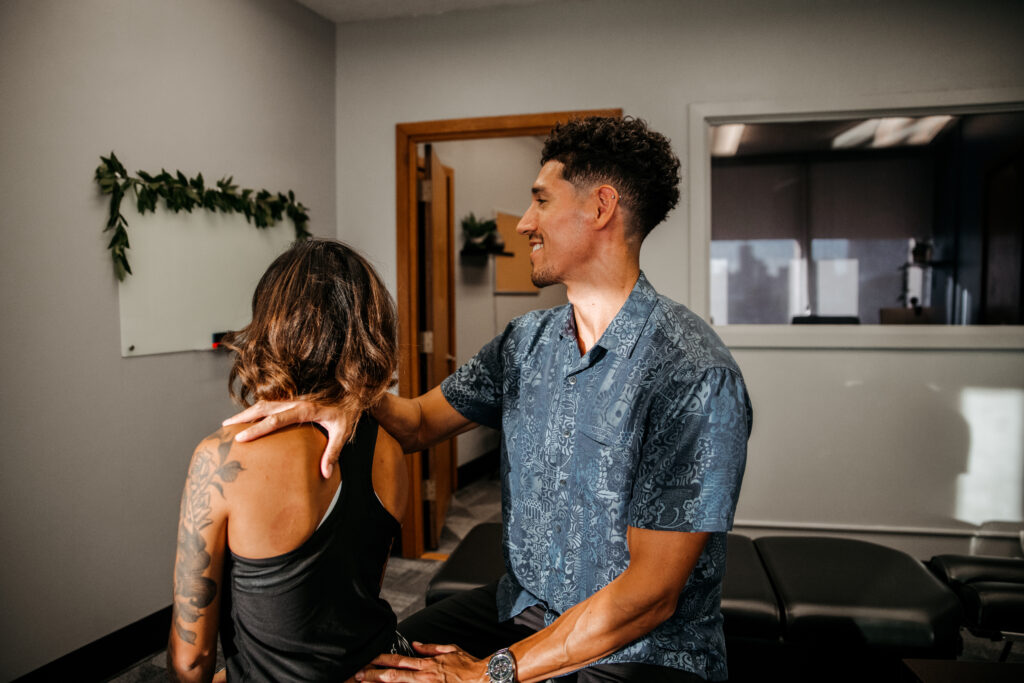
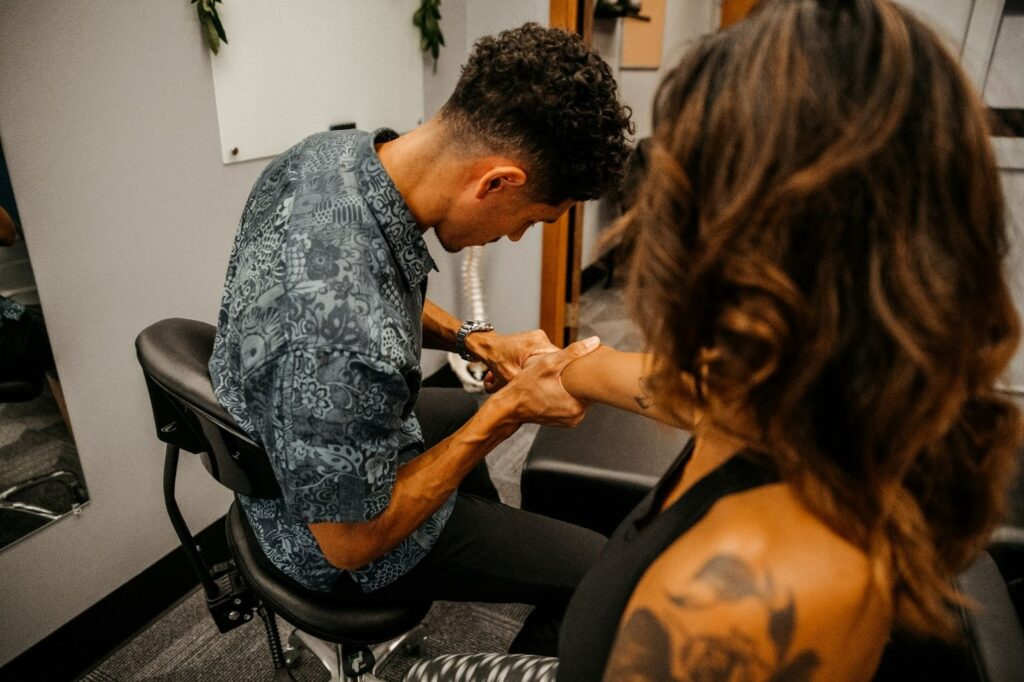
Additionally, there are specific chiropractic techniques and practices that can help expedite your journey back to peak performance. By integrating chiropractic care into your recovery, you can address misalignments and improve your body's overall function. This holistic approach not only aids in recovery but can also transform the way you perceive the healing process. Embracing these natural methods may lead to unexpected benefits and a quicker return to the activities you love.
Understanding Sports Injuries
As a local chiropractor, I want to emphasize the importance of understanding sports injuries for anyone who's active, whether you're a casual exerciser or a competitive athlete. Injuries can affect anyone, and it's crucial to be aware of the different types and causes so you can take proactive steps towards prevention and healing.
Common injuries I often see include sprains, strains, fractures, and tendonitis. Sprains occur when ligaments get stretched or torn, often due to twisting movements. Strains involve injuries to muscles or tendons, usually caused by overexertion or sudden motions. Fractures are when bones break, and these can occur from high-impact incidents or falls. Tendonitis, on the other hand, is an overuse injury that results in tendon inflammation, often due to repetitive activities.
One of the leading contributors to these injuries is a lack of proper warm-up and cool-down routines. Additionally, ignoring your body's signals—like pain or fatigue—can lead to more serious problems down the line. Listening to your body and allowing it to rest when necessary is vital. This helps prevent minor issues from developing into chronic conditions.
Understanding the mechanics behind these injuries can empower you to make informed decisions regarding your training and recovery. I encourage you to educate yourself about proper techniques and don't hesitate to reach out for professional guidance if you're uncertain about any element of your exercise regimen.
By doing so, not only can you reduce your risk of injury, but you can also enhance your overall performance and enjoyment of your favorite sports.
As a chiropractor, my goal is to support your journey towards optimal health and functional movement. Together, we can develop a plan that promotes natural healing and helps you stay active and injury-free.
The Role of Nutrition
As a local chiropractor, I want to emphasize the crucial role nutrition plays in your recovery from sports injuries. Proper nutrition isn't just about eating well; it's about providing your body with the essential nutrients it needs to heal effectively.
Staying well-hydrated is also important, as it aids in maintaining optimal bodily functions during your recovery.
Additionally, meal timing can significantly impact your healing process. Consuming the right nutrients at the right times can help optimize your recovery, ensuring that your body has what it needs when it needs it most.
By focusing on these nutritional aspects, you can enhance your journey back to peak performance.
Essential Nutrients for Recovery
As a local chiropractor, I want to emphasize the importance of nourishing your body with the right nutrients to facilitate a quick recovery from sports injuries. Understanding how these key nutrients contribute to healing can empower you on your journey to recovery.
First and foremost, protein is vital for repairing and regenerating muscle tissue. To support your body's needs, I recommend including sources such as lean meats, fish, legumes, and dairy products in your diet. These foods provide the building blocks your muscles require to heal effectively.
In addition to protein, don't overlook the significance of healthy fats. Omega-3 fatty acids, particularly those found in fatty fish like salmon, are known for their anti-inflammatory properties and can greatly aid in the healing process.
Carbohydrates should also be part of your recovery plan. They serve as a primary energy source, which is crucial when your body is actively working to recover from an injury. Focus on whole grains, fruits, and vegetables to ensure you're also getting the vitamins and minerals needed for optimal healing.
Speaking of vitamins and minerals, nutrients like vitamin C, zinc, and magnesium play a critical role in the healing process. Incorporating foods such as citrus fruits, nuts, and leafy green vegetables into your meals can help provide these essential nutrients.
Lastly, don't forget about the power of antioxidants. These compounds help combat oxidative stress, which can slow down recovery. Including a variety of colorful fruits and vegetables in your diet can enhance your antioxidant intake.
By understanding and incorporating these essential nutrients into your daily routine, you can support your body's natural healing process and enhance your recovery journey.
As a chiropractor, I encourage you to prioritize your nutrition as a fundamental part of your overall wellness and rehabilitation strategy.
Hydration and Healing Benefits
As your local chiropractor, I want to emphasize the vital role that proper hydration plays in your recovery from sports injuries and overall health. Many people may not realize that even mild dehydration can significantly hinder the healing process.
Water is crucial for transporting essential nutrients to your cells, flushing out waste products, and keeping your joints well-lubricated. When you're dehydrated, your body struggles to perform these functions efficiently, which can delay your recovery.
It's important to make a conscious effort to drink enough fluids throughout your day, especially during and after physical activities. Additionally, maintaining a proper balance of electrolytes is key. This means considering beverages that can replenish important minerals such as sodium, potassium, and magnesium—especially after intense workouts where you've lost a lot of sweat.
Hydration also plays a significant role in your mental clarity and energy levels. When you're adequately hydrated, you're more likely to remain focused and motivated during your rehabilitation exercises, which are essential for regaining strength and flexibility after an injury.
Remember, everyone's hydration needs can differ based on various factors like your activity level, the climate, and your individual health. It's crucial to listen to your body; if you're feeling thirsty, that's your body's way of signaling that you need to drink more.
Meal Timing Strategies
As a local chiropractor dedicated to your overall well-being, I want to stress the importance of proper meal timing in your recovery from sports injuries and optimizing your nutrition.
It's not just what you eat that matters; when you eat can significantly impact your healing process. By timing your meals effectively, you ensure your body receives the essential nutrients it needs exactly when it needs them, which can accelerate your recovery.
Here are some meal timing strategies that I encourage you to consider:
- Post-Workout Nutrition: It's crucial to consume a balanced meal or snack within 30 minutes after your workout. This helps replenish your energy and supports muscle repair, which is essential for recovery.
- Frequent Small Meals: Instead of sticking to three large meals a day, consider eating smaller meals every 2-3 hours. This approach can help maintain your energy levels throughout the day and ensure a steady availability of nutrients for your body.
- Pre-Workout Fuel: To fuel your performance, eat a carbohydrate-rich meal or snack about 1-2 hours before you engage in physical activity. This will provide your body with the energy it needs to perform at its best.
- Balanced Macros: Each meal should include a good mix of proteins, fats, and carbohydrates. This balance is vital for supporting your recovery and promoting overall health.
- Evening Nutrition: Don't overlook the importance of dinner! Having a nutritious meal in the evening is beneficial for overnight recovery and muscle repair, aiding your body's healing processes while you rest.
By incorporating these meal timing strategies into your daily routine, you may notice a positive impact on your recovery journey.
Benefits of Physical Therapy
As a local chiropractor, I want to emphasize the importance of individualized care in our practice.
Chiropractic care provides personalized treatment plans designed specifically for your unique needs, helping you recover effectively from injuries. Through our sessions, you'll be introduced to natural pain management techniques that not only alleviate discomfort but also support your body's healing process.
Additionally, we incorporate targeted exercises that can improve your mobility, allowing you to return to the activities you enjoy more quickly.
Embracing chiropractic care can be a vital step toward achieving optimal health and wellness.
Personalized Treatment Plans
When it comes to recovering from a sports injury, embracing a personalized treatment plan can truly transform your healing process. As a chiropractor, I believe in a tailored approach that addresses your specific needs, allowing you to regain strength and mobility in a more effective manner.
By collaborating with me, we can create a plan that zeroes in on your injury type, fitness level, and recovery goals.
Here are some essential benefits of a personalized treatment plan from a chiropractic perspective:
- Targeted Techniques: We'll utilize specific chiropractic adjustments and therapies that focus on your injured area, helping to alleviate pain and reduce the risk of re-injury.
- Progress Monitoring: Regular evaluations will allow us to modify your treatment plan based on your progress, ensuring optimal healing and recovery.
- Education: You'll gain insights into your injury, understand its implications, and learn strategies for preventing future issues, empowering you to take an active role in your recovery.
- Motivation: A customized plan keeps you motivated by highlighting measurable progress that aligns with your personal goals.
- Holistic Care: Your treatment may also encompass nutritional guidance and lifestyle adjustments, addressing all facets of your recovery for a comprehensive approach.
In the end, a personalized treatment plan not only enhances your healing experience but also helps you return to your favorite sports in a quicker and safer manner.
Let's work together to set you on the path to recovery!
Pain Management Techniques
Effective pain management techniques are crucial for a successful recovery from sports injuries, and chiropractic care can play a vital role in this process. By participating in tailored chiropractic sessions, you're not just finding relief from pain; you're also addressing the underlying issues that contribute to it.
As your chiropractor, I utilize a variety of techniques, including spinal adjustments, soft tissue therapies, and therapeutic exercises, to help you manage pain effectively and promote healing.
In addition to these methods, I'll guide you through specific exercises designed to gradually strengthen the affected areas. This holistic approach not only alleviates pain but also fosters healing, enabling you to regain function and confidence in your movements. You'll learn how to manage discomfort in ways that support recovery rather than hinder it.
Chiropractic care also provides a nurturing environment where you can ask questions and gain insights into pain management strategies. Understanding your body's signals and responses will empower you to take control of your recovery process.
With the right techniques, you can reduce your dependence on medications and choose natural methods that encourage long-term wellness. Embracing chiropractic care as part of your recovery journey can significantly impact how you manage pain and help you return to an active, healthy lifestyle.
Enhanced Mobility Recovery
Achieving enhanced mobility is crucial for recovering from sports injuries, and chiropractic care can play a significant role in this journey. Many people are unaware that working with a knowledgeable chiropractor can help you regain strength and flexibility, ultimately allowing you to return to the activities you love.
Here are some benefits of chiropractic care for enhanced mobility recovery:
- Customized Care Plans: Your chiropractor will develop a personalized treatment plan tailored to your unique needs and recovery goals.
- Specific Adjustments and Techniques: You'll receive targeted adjustments and techniques designed to improve your range of motion and strengthen the affected areas.
- Natural Pain Relief Strategies: Chiropractic care emphasizes natural healing methods, which may include spinal adjustments, soft tissue therapy, and rehabilitative exercises to alleviate pain.
- Posture and Movement Education: You'll gain insights into proper body mechanics, which can help prevent future injuries and enhance your overall movement patterns.
- Empowerment through Knowledge: Your chiropractor will educate you on how to effectively manage your condition at home, enabling you to take an active role in your recovery.
Incorporating Mindfulness Techniques
As a local chiropractor, I want to emphasize the importance of incorporating mindfulness techniques into your recovery process, especially if you're healing from a sports injury. Mindfulness can significantly enhance your healing journey by helping you stay present, reducing stress, and fostering a positive mindset—crucial elements for effective recovery.
One of the simplest and most effective practices you can start with is deep breathing exercises. Take a moment each day to inhale slowly through your nose, allowing your lungs to fill completely, and then exhale gently through your mouth. This calming technique not only helps to ease your mind and reduce tension but also improves oxygen flow to your muscles, which is vital for healing. I encourage you to practice this regularly, particularly during moments when you may feel overwhelmed by your injury.
Another beneficial mindfulness technique is body scanning. Find a comfortable position, lie down, and direct your attention to each part of your body, beginning from your toes and gradually moving up to your head. As you focus on each area, take note of any sensations or discomfort you may feel. It's important to acknowledge these feelings without judgment; this practice can help you cultivate a deeper connection with your body and its healing process.
Incorporating mindful movement into your daily routine can also be incredibly beneficial. Gentle activities such as yoga or tai chi not only improve flexibility and promote relaxation but also support your physical recovery. These practices encourage a sense of calm and balance, which is essential for overall well-being.
Lastly, I recommend considering journaling as a tool during your recovery. Writing can be a powerful way to process your thoughts and emotions, set intentions, and celebrate small victories along the way. This reflective practice can make your healing journey feel more manageable and fulfilling.
Natural Supplements for Healing
As a local chiropractor, I want to emphasize the importance of a holistic approach to healing, particularly when it comes to incorporating mindfulness techniques and natural supplements into your recovery journey. Many patients may not realize that these supplements can be instrumental in providing essential nutrients that help reduce inflammation, promote tissue repair, and enhance overall recovery time.
By integrating these natural options into your daily routine, you can significantly support your healing process.
Here are five natural supplements that could be beneficial for your recovery:
- Turmeric: Renowned for its powerful anti-inflammatory properties, turmeric can help alleviate pain and swelling, which is particularly beneficial for those dealing with musculoskeletal issues.
- Omega-3 Fatty Acids: Found in fish oil, these fatty acids are known to lower inflammation and aid in the healing of injured tissues, making them a great addition to your regimen.
- Glucosamine: This supplement supports joint health and is particularly helpful for those recovering from joint-related injuries or surgeries, as it aids in the repair of cartilage.
- Vitamin C: Essential for collagen synthesis, vitamin C plays a crucial role in tissue repair and also strengthens your immune system, which is vital during recovery.
- Bromelain: Derived from pineapples, bromelain is effective in reducing swelling and bruising, making it a valuable supplement after any injury.
Before you start adding any supplements to your regimen, it's crucial to consult with a healthcare professional, such as myself, to ensure you're taking the right dosages and to confirm that there are no interactions with any current medications you may be on.
While natural supplements can enhance your recovery, they should be used in conjunction with a balanced diet, sufficient rest, and a proper rehabilitation program.
By taking a comprehensive approach to your healing, you can return to your favorite activities with renewed strength and vitality.
Importance of Hydration
As a local Chiropractor, I want to emphasize the critical role that proper hydration plays in your recovery from sports injuries. When your body is well-hydrated, it can efficiently transport nutrients to the damaged tissues, which accelerates the healing process. Water is essential for maintaining optimal blood circulation—this is key for delivering oxygen and nutrients to the injured areas. If you're not drinking enough water, you may find that healing takes longer, which can extend your recovery time.
Moreover, staying hydrated is crucial for reducing inflammation—a common issue that arises with sports injuries. Dehydration can cause your body to retain water, resulting in swelling and discomfort. By ensuring you drink adequate fluids, you can help manage inflammation and keep your joints lubricated. This not only improves your mobility but also reduces pain during your recovery journey.
It's also important to remember the role of electrolytes in hydration. When you sweat, you lose not just water, but also essential minerals like sodium and potassium. Replenishing these electrolytes is vital for maintaining proper muscle function and can prevent cramps and spasms that might impede your recovery.
I recommend incorporating electrolyte-rich beverages or natural sources like coconut water into your hydration routine to keep your levels balanced.
Incorporating these hydration strategies into your recovery plan can significantly enhance your healing process and overall well-being. If you have any questions or need personalized advice, don't hesitate to reach out during your next visit!
Restorative Sleep Practices
As a local chiropractor, I want to emphasize the importance of restorative sleep for your recovery from sports injuries. When you sleep, your body enters a healing mode, which is crucial for repairing muscles, tissues, and bolstering your immune system. Prioritizing sleep can significantly enhance your recovery process.
Here are some restorative sleep practices that I recommend for my patients:
- Establish a Consistent Sleep Schedule: Aim to go to bed and wake up at the same time every day. This consistency helps regulate your body's internal clock, making it easier to fall asleep and wake up feeling refreshed.
- Create an Ideal Sleep Environment: Your bedroom should be a sanctuary for sleep. Keep it cool, dark, and quiet. Consider investing in a comfortable mattress and supportive pillows to ensure your body is properly aligned while you rest.
- Limit Exposure to Screens: The blue light emitted by screens can hinder your ability to fall asleep. I suggest avoiding screens for at least an hour before bedtime to help your body wind down naturally.
- Incorporate Relaxation Techniques: Before you settle down for the night, engage in calming activities like deep breathing exercises, meditation, or gentle yoga. These practices can help soothe your mind and prepare your body for restorative sleep.
- Mind Your Diet: What you eat can affect your sleep quality. Try to avoid heavy meals, caffeine, and alcohol close to bedtime, as they can disrupt your sleep cycles.
By integrating these restorative sleep practices into your daily routine, you can achieve deeper and more rejuvenating sleep.
Remember, it's not just about the number of hours you spend asleep; it's about the quality of that rest. Focusing on these practices won't only support your body's natural healing processes but will also facilitate a quicker recovery from your sports injury.
As your chiropractor, I'm here to guide you on your journey to optimal health and well-being.
Gradual Return to Activity
As a local chiropractor, I want to emphasize the importance of a gradual return to activity when recovering from sports injuries. Jumping back into your usual routine too quickly can lead to setbacks or even re-injury, which we definitely want to avoid. It's crucial to approach your recovery with patience and a structured plan tailored to your specific needs.
First and foremost, I recommend consulting with a healthcare provider or a physical therapist who can offer personalized guidance based on your injury. This is a vital step in ensuring you have a clear path to recovery.
Start your journey with gentle movements and low-impact exercises that don't strain the injured area. Activities like walking, swimming, or cycling can help maintain your fitness levels while allowing your body to heal naturally.
As you regain strength and flexibility, we can gradually increase the intensity and duration of your workouts. Always listen to your body; if you experience pain or discomfort, it's important to scale back and give yourself the necessary time to recuperate.
Incorporate strength training that focuses on your entire body, not just the injured area. This holistic approach helps to restore balance and coordination, which are essential for optimal performance.
Additionally, pay close attention to your warm-up and cool-down routines, as these practices can help prevent stiffness and promote better recovery.
Lastly, it's essential to set realistic goals for your return to sports. Remember, recovery isn't solely a physical process; your mental readiness is just as important. Building confidence in your movements will facilitate a smoother transition back into your sport.
Preventing Future Injuries
As a local chiropractor, I want to emphasize the importance of taking proactive steps to prevent future injuries and maintain your overall well-being.
Prioritizing your body's strength and flexibility through consistent training and conditioning is essential not just for peak performance, but also for minimizing the risk of re-injury. A well-rounded approach to physical health can significantly enhance your resilience against injuries.
Here are some effective strategies to consider for injury prevention:
- Strength Training: It's vital to build muscle strength around your vulnerable joints. Focus on exercises that target your core, legs, and upper body. Strengthening these areas can provide better support and stability.
- Flexibility Exercises: Regular stretching is key to improving your range of motion. Activities like yoga and Pilates not only enhance your flexibility but also improve balance and posture, which are crucial for injury prevention.
- Proper Warm-up and Cool-down: Always begin your activities with a dynamic warm-up to prepare your muscles and joints for movement. Similarly, concluding your workout with a cool-down routine aids in recovery and helps prevent stiffness.
- Cross-Training: To avoid overuse injuries, it's important to mix up your routine with various types of activities. Incorporating low-impact exercises such as swimming or cycling can provide a break for your body while still keeping you active.
- Listen to Your Body: Your body is always communicating with you. If you feel discomfort or pain, it's important to heed those signals. Don't push through the pain; instead, take the time to rest and seek guidance from a healthcare professional if needed.
By integrating these strategies into your lifestyle, you can enhance your physical health and reduce the likelihood of injuries.
If you have any questions about how chiropractic care can support your journey to better health, please feel free to reach out.
Conclusion
As a local chiropractor, I want to share how a holistic approach can greatly enhance your recovery from sports injuries. Many people are unaware of the vital role that proper nutrition, hydration, and mindfulness techniques play in healing. By nourishing your body with the right foods and staying hydrated, you're supporting your recovery in a profound way.
It's also essential to incorporate mindfulness practices to help manage pain and stress during this time. Prioritizing restorative sleep is crucial as it allows your body to heal effectively. As you begin to feel better, I encourage you to ease back into your activities gradually. This not only helps prevent re-injury but also boosts your confidence as you return to the sports you love.
By embracing these natural methods, you can revitalize your recovery journey. Remember, chiropractic care can also support your healing process by improving your spinal health and overall function. Together, we can create a personalized recovery plan that helps you regain strength and confidence in your athletic pursuits.