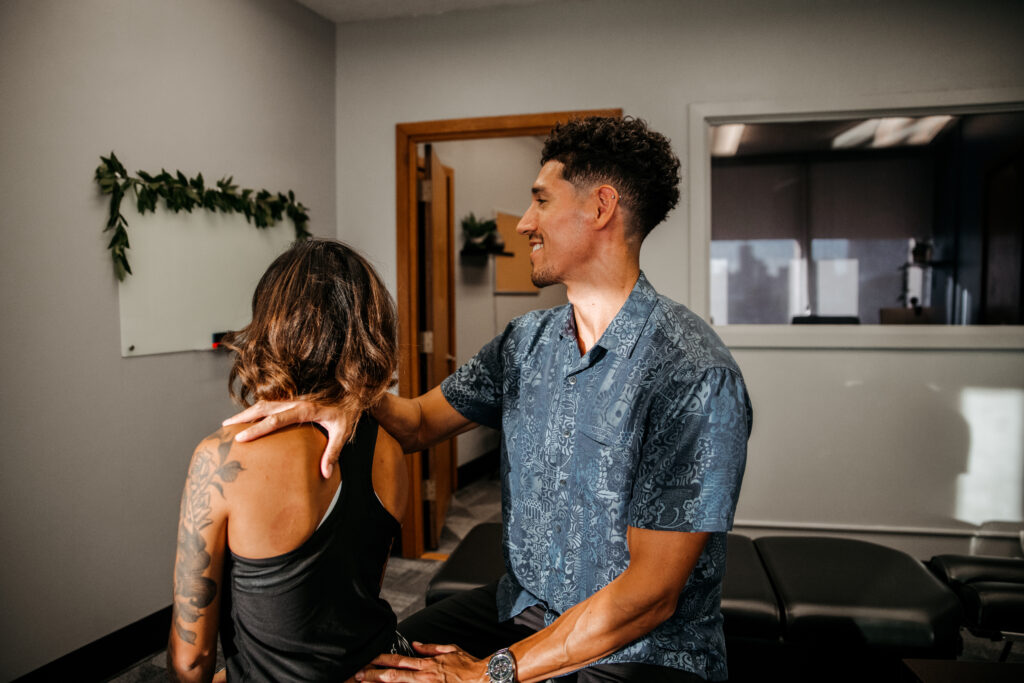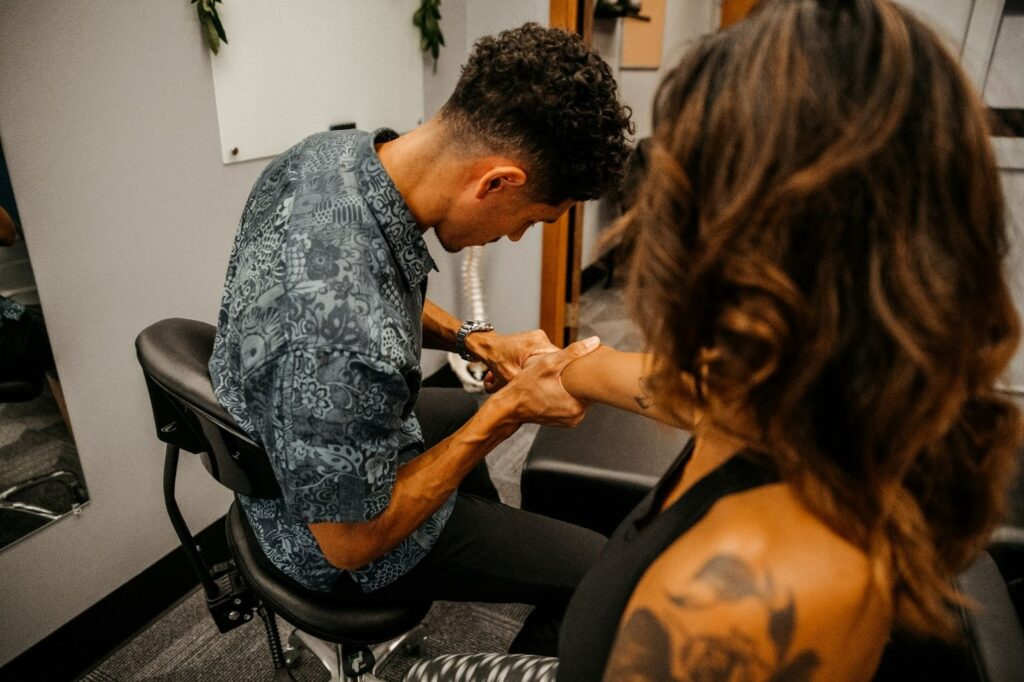
You might be surprised at how natural relaxation techniques, guided by a professional, can transform your approach to stress management. From yoga to holistic therapies, each method offers unique benefits tailored to your individual needs. These professionals can help you explore various techniques, fostering a deeper understanding of your stress patterns. Imagine creating a personalized relaxation plan that not only enhances your well-being but also equips you with tools for resilience. So, what specific methods can truly make a difference in your journey toward relaxation?
Benefits of Professional Guidance
Seeking professional guidance can greatly enhance your relaxation journey. When you work with a qualified expert, you gain access to tailored techniques specifically designed to meet your needs. Unlike generic approaches, personalized sessions focus on your unique stressors, preferences, and goals, ensuring that you get the most effective support.
Professionals can introduce you to various relaxation methods you mightn't have considered. Whether it's guided meditation, deep breathing exercises, or visualization techniques, having someone to guide you can deepen your experience. They can help you understand how to use these techniques properly, making it easier for you to incorporate them into your daily life.
Additionally, professionals provide accountability. When you know someone is tracking your progress, it can motivate you to stay committed to your relaxation practices. This consistency is essential; the more you engage in these activities, the more benefits you'll experience over time.
Moreover, having a professional by your side can enhance your understanding of your own body and mind. They can help you recognize patterns that contribute to stress, empowering you to make informed decisions about your well-being.
Finally, professional guidance creates a safe space for you to express your feelings and concerns, which can be incredibly cathartic. This support not only aids in relaxation but also fosters personal growth.
Ultimately, investing in professional help can transform your relaxation journey into a more fulfilling and effective experience.
Yoga and Its Therapeutic Effects
Yoga often serves as a powerful tool for relaxation and stress relief. When you engage in yoga, you tap into a blend of physical movement, breath control, and mindfulness that can transform your mental and emotional state. Each pose invites you to focus on your body and your breath, allowing you to cultivate awareness and presence. This connection can help you release pent-up tension and anxiety.
As you practice, you'll find that yoga encourages not just physical flexibility but also mental resilience. The rhythmic flow of poses, coupled with deep breathing, activates your body's relaxation response. You're likely to notice reduced heart rate and lower cortisol levels, which can combat stress and promote a sense of calm. Regular practice can also improve sleep patterns, making it easier for you to achieve that restful state.
Additionally, yoga promotes self-acceptance and body awareness, which can shift your perspective on stressors in your life. You learn to respond to challenges with greater equanimity rather than reacting impulsively.
Whether you're a beginner or an experienced yogi, the adaptability of yoga means you can tailor your practice to fit your needs and energy levels on any given day.
Incorporating yoga into your routine can have profound therapeutic effects. With professional guidance, you can explore various styles and techniques, ensuring you find the approach that resonates most deeply with you.
Embrace this journey, and let yoga guide you toward a more relaxed, centered state of being.
Guided Meditation Techniques
Guided meditation techniques offer a structured way to cultivate relaxation and mindfulness. When you engage in guided meditation, you're not just sitting in silence; you're following the soothing voice of a guide, which helps direct your focus and enhances your experience. This can be especially helpful if you're new to meditation or find it challenging to quiet your mind.
Start by finding a comfortable position, whether sitting or lying down. Close your eyes and take a few deep breaths to center yourself. Then, listen to the guided meditation. Many techniques focus on breathing exercises, body scans, or visualizations. Each of these methods encourages you to tune into your body and mind.
For instance, during a body scan, the guide might prompt you to focus on each part of your body, helping you release tension as you go. This not only promotes physical relaxation but also enhances your mindfulness, as you become more aware of how your body feels.
Visualizations can take you to serene environments, allowing your imagination to transport you to a peaceful state. Aim to practice guided meditation regularly, even if it's just for a few minutes each day. Over time, you'll likely notice a significant reduction in stress and anxiety, leading to a greater sense of well-being.
Holistic Therapies for Relaxation
While guided meditation can be a powerful tool for relaxation, exploring holistic therapies can provide additional avenues to unwind and rejuvenate.
These therapies focus on treating the whole person—mind, body, and spirit—helping you achieve a deeper sense of calm.
One popular holistic therapy is aromatherapy, which uses essential oils to enhance your mood and promote relaxation.
You can diffuse oils like lavender or chamomile in your living space or add them to a warm bath. Inhaling these soothing scents can help reduce stress and anxiety, creating a tranquil atmosphere.
Another effective approach is acupuncture, an ancient Chinese practice that involves inserting thin needles into specific points on your body.
This can help balance your energy, alleviate tension, and promote relaxation. Many people report feeling deeply relaxed after just one session.
Massage therapy is also a fantastic option.
Whether you prefer a gentle Swedish massage or a more intense deep tissue technique, the physical manipulation of muscles can release built-up tension. Regular sessions can contribute greatly to your overall sense of relaxation.
Lastly, consider yoga as a holistic practice.
It combines physical movement, breath control, and meditation, helping you connect with your body and calm your mind. Whether you join a class or follow an online tutorial, practicing yoga regularly can enhance your relaxation routine.
Creating a Personalized Relaxation Plan
Creating a personalized relaxation plan can considerably enhance your ability to unwind and recharge. Start by identifying what relaxation means to you. Are you looking for mental clarity, physical relief, or emotional balance? Knowing your goals will help you tailor your plan effectively.
Next, evaluate your current routine. Observe when you feel most stressed and what methods you currently use to relax. Are they effective? If not, it's time to explore new strategies. Consider incorporating a mix of activities, such as meditation, yoga, or deep breathing exercises, which can help calm your mind and body.
Set aside dedicated time for relaxation. Whether it's a few minutes each day or longer sessions on weekends, consistency is key. Make it a non-negotiable part of your schedule, just like any other appointment.
Don't forget to utilize professional help. Therapists or relaxation coaches can offer guidance and techniques tailored to your specific needs. They can help you discover what works best for you and keep you accountable.
Finally, track your progress. Keep a journal to note what activities help you feel most relaxed and how they impact your overall well-being. Adjust your plan as needed; flexibility is essential.
Conclusion
Incorporating professional help into your relaxation journey can make a significant difference. With yoga, guided meditation, and holistic therapies, you can discover what truly resonates with you. Tailoring a personalized relaxation plan not only enhances your ability to manage stress but also promotes overall well-being. Embrace this opportunity to explore these natural techniques and cultivate a sense of peace and balance in your life. Remember, taking time for yourself is essential for your mental and emotional health.