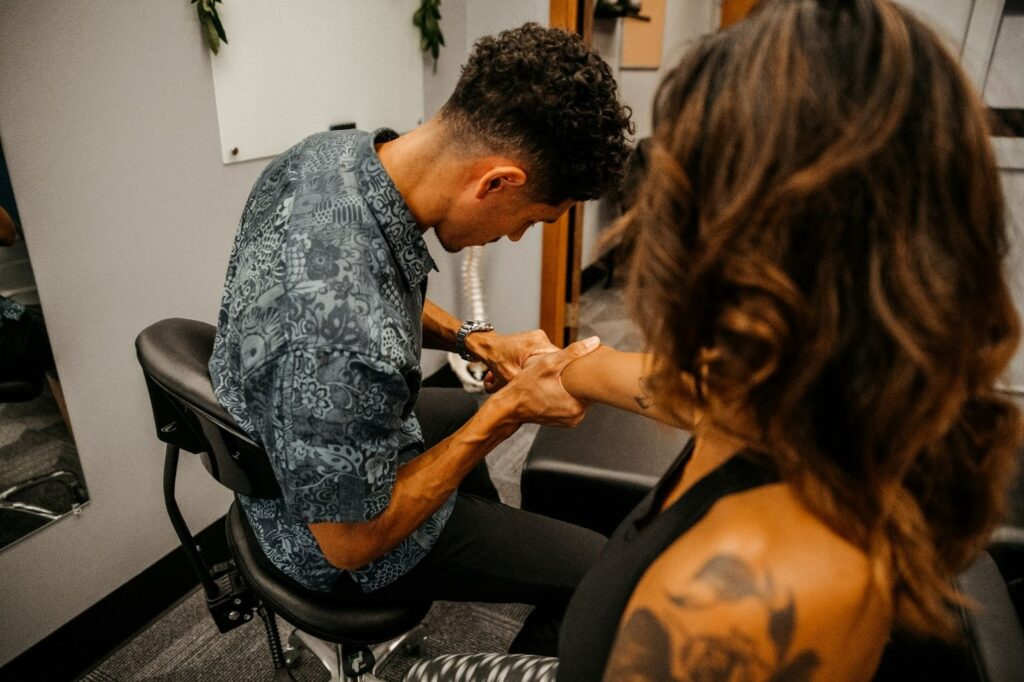

When it comes to supporting kids with ADHD, chiropractic care can play a crucial role in addressing their unique challenges. Many parents may not realize that early intervention through natural healing practices can help alleviate some symptoms, allowing children to thrive both academically and socially. As chiropractors, we focus on the overall well-being of the child, working in conjunction with families and educators to ensure that every child receives comprehensive support tailored to their needs.
One specific strategy we employ is spinal adjustments, which can help improve nervous system function and may lead to better focus and behavior. Additionally, we emphasize the importance of nutrition and lifestyle choices, which can significantly impact a child's overall health and ability to cope with ADHD symptoms. Understanding these natural approaches is vital for creating an environment where children can flourish without solely relying on medication. By exploring chiropractic care, families can discover supportive methods that promote healing and growth for their children.
Understanding ADHD Diagnosis
When it comes to understanding the role of chiropractic care in addressing conditions like ADHD, it's essential to recognize that our approach goes beyond simply observing symptoms. We believe in a comprehensive evaluation that looks at the whole person, including their physical health, lifestyle, and emotional well-being.
ADHD can present differently in each individual, and as chiropractors, we aim to understand the unique needs of each patient. Pay attention to specific behaviors that may be linked to ADHD, such as inattention, hyperactivity, or impulsivity. However, just noticing these behaviors isn't enough for a diagnosis. They need to be consistent, observed in various environments (like home and school), and impact daily life for the individual.
Consulting with healthcare professionals, like a chiropractor, can be a vital part of this process. We conduct thorough assessments, which may include reviewing your child's physical health history and how their body functions.
It can also be beneficial to gather insights from teachers or other caregivers, as their observations can help us understand how these behaviors manifest in different settings. By focusing on natural healing methods, including adjustments and lifestyle recommendations, we aim to support children in achieving better overall health and well-being, which may help in addressing some of the challenges associated with ADHD.
Our goal is to empower families with knowledge and tools for holistic health.
Importance of Early Intervention
As a local chiropractor, I want to emphasize the significance of early intervention in managing conditions like ADHD, which can greatly influence a child's overall development and quality of life. Identifying ADHD symptoms early allows for the implementation of effective coping strategies and promotes better outcomes.
Children with ADHD often face challenges with attention, impulse control, and organization, which can hinder their academic performance and social interactions. By addressing these issues sooner rather than later, we can help your child acquire essential skills that enhance their daily functioning.
Starting the journey of early intervention involves recognizing the signs of ADHD and seeking guidance from healthcare professionals. As a chiropractor, I often collaborate closely with pediatricians and psychologists who specialize in ADHD. Together, we can offer valuable insights into your child's unique needs and explore natural healing approaches that may complement traditional treatments.
Taking action early not only supports your child's academic journey but also nurtures their emotional resilience. Children who receive timely assistance tend to develop better self-esteem and form stronger relationships with their peers.
Through our holistic approaches, they can learn strategies for managing their behavior and emotions, leading to a more positive school experience and healthier friendships.
Furthermore, early intervention can facilitate a smoother transition into adolescence and adulthood. As your child learns to navigate the challenges associated with ADHD, we provide them with natural tools and techniques that will benefit them throughout their life.
The sooner you take action, the more empowered your child will feel, setting them on a path toward success and fulfillment in their future endeavors. Let's work together to support your child's growth and well-being through chiropractic care and natural healing.
Tailored Treatment Plans
When it comes to addressing ADHD, it's important to remember that a one-size-fits-all approach simply doesn't work.
As a chiropractor, I believe in creating tailored treatment plans that focus on individualized care, specifically designed to meet your child's unique needs.
By involving the entire family in the healing process, we ensure that everyone understands the approach and can support your child effectively.
This collaborative effort can make a significant difference in your child's overall development and well-being.
Exploring natural healing methods, such as chiropractic care, can help optimize your child's health in a holistic way.
Individualized Care Approaches
In the journey of managing conditions like ADHD, chiropractic care can offer individualized approaches that play a vital role in aligning treatment with each child's unique needs. Just as every child is different, so too are their responses to various therapies. By focusing on tailored chiropractic interventions, we can help your child thrive naturally.
To create an effective individualized care plan in chiropractic practice, consider these key elements:
- Assessment of Overall Well-being: We begin by identifying your child's specific strengths and challenges, not just in their symptoms, but in their overall health and wellness. This comprehensive assessment guides our treatment process.
- Personalized Chiropractic Adjustments: We develop strategies that cater to your child's unique physical needs, ensuring that our adjustments resonate with their body and foster engagement in their healing journey.
- Flexible Treatment Plans: Regularly reviewing and modifying the care plan based on your child's progress and feedback is essential. We adapt our approach as needed to ensure that we're continually improving their outcomes.
- Integration of Holistic Therapies: Our chiropractic care often combines adjustments with lifestyle recommendations, nutritional guidance, and stress management techniques, creating a thorough approach that addresses all aspects of your child's life.
Collaborative Family Involvement
Collaboration among family members is crucial when considering the holistic approach to health and wellness, especially for children with ADHD. As a chiropractor, I believe that involving everyone in the process can lead to a more comprehensive understanding of your child's needs and how chiropractic care can support them.
Start by gathering insights not just from your child, but also from teachers, therapists, and other caregivers. This will help you pinpoint specific challenges and strengths that may benefit from natural healing methods.
Next, I encourage you to hold family meetings to discuss and set health goals. Open communication is key; allow each family member to express their thoughts and concerns about your child's well-being. This creates a nurturing environment where everyone feels valued and engaged in the healing process.
Together, you can explore chiropractic strategies that can be integrated into various aspects of your child's life—at home, in school, and during extracurricular activities.
As you begin to implement these natural healing practices, it's important to check in regularly as a family to evaluate progress. Be open to flexibility and ready to adapt your approach as needed.
Celebrate every achievement, no matter how small, and work together to address any challenges that arise. By collaborating as a family, you not only empower your child but also foster a sense of community and belonging, making it easier for them to navigate the challenges associated with ADHD.
Together, we can build a supportive foundation that promotes overall health and well-being through chiropractic care.
Role of Behavioral Therapy
As a local Chiropractor, I want to highlight the importance of a holistic approach in managing conditions like ADHD.
While chiropractic care primarily focuses on aligning the spine and optimizing nervous system function, it can also play a significant role in enhancing your child's overall well-being and social skills.
By addressing physical imbalances, we can help your child better cope with daily challenges and improve their focus and behavior.
Incorporating parental involvement in this journey is crucial.
By working together, we can reinforce positive habits and promote a healthy lifestyle at home and in social situations.
Through gentle adjustments and lifestyle recommendations, we aim to support not just the physical aspects of your child's health but also their emotional and social development.
Let's explore how chiropractic care can be a valuable part of your child's growth and success.
Techniques for Managing Symptoms
As a local chiropractor, I want to share with you some valuable insights into how we can support children with ADHD through natural healing techniques.
While many may think of chiropractic care solely for physical adjustments, there's an entire world of holistic approaches that can help manage ADHD symptoms effectively.
One of the key methods we use involves behavioral techniques that align with chiropractic principles, focusing on the mind-body connection. By addressing both physical and mental well-being, we can help children navigate their daily challenges more smoothly.
Here are some effective techniques that you might consider:
- Positive Reinforcement: Just like how we encourage healthy habits, rewarding your child for appropriate behaviors can motivate them to continue those actions. This creates a positive feedback loop for both body and mind.
- Structured Routines: Establishing consistent schedules can greatly benefit children with ADHD. Having a structured routine helps to create predictability, which can minimize anxiety and distractions—important factors in maintaining overall health.
- Behavioral Contracts: Setting clear expectations through written agreements can provide children with a sense of responsibility and accountability. This clarity can be empowering and support their journey toward better self-management.
- Mindfulness Practices: Incorporating mindfulness techniques into your child's routine can significantly enhance focus and emotional regulation. This practice aligns well with chiropractic care, as it helps promote overall mental wellness and reduces stress.
By integrating these behavioral strategies with chiropractic care, we can help your child thrive in a natural and holistic way.
Let's work together to create a supportive environment that fosters their growth and development!
Enhancing Social Skills
As a local chiropractor, I want to share how important social skills can be for children, particularly for those with ADHD. Just like we focus on the spine and nervous system to enhance physical well-being, we can also support children's social development through natural methods, including behavioral therapy. This type of therapy can significantly improve a child's ability to connect with peers and handle social situations.
In a therapeutic setting, children engage in structured activities and role-playing, which helps them learn how to recognize social cues and understand the perspectives of others. Similar to how we guide patients in improving their posture or physical alignment, therapists guide children through conversation starters, turn-taking, and emotional regulation during disagreements. This hands-on approach not only boosts their confidence but also reinforces positive social interactions.
Behavioral therapy often includes targeted social skills training that addresses specific challenges children encounter in social settings. By confronting these challenges directly, children can practice real-life scenarios in a supportive environment, much like how we create a safe space for healing in our clinic.
As children refine their social skills, you may notice more fulfilling relationships with their peers, much like the improvement patients feel in their physical health after receiving chiropractic care.
Parent Involvement Strategies
Incorporating family support into the healing process is crucial, especially for children dealing with conditions like ADHD. As a chiropractor, I believe that a holistic approach, which includes parental involvement, can significantly enhance a child's overall well-being.
When you engage actively in your child's care, you foster an environment that promotes healing and progress.
Here are some effective strategies for parents to support their child's journey toward better health:
- Open Communication: Maintain a regular dialogue with your chiropractor to stay updated on your child's treatment plan and progress. This will help you understand how chiropractic care can complement other therapies.
- Encourage Healthy Habits: Reinforce positive lifestyle choices, such as proper nutrition and physical activity, which can enhance your child's overall health and support the benefits of chiropractic adjustments.
- Create a Structured Environment: Establish daily routines that provide stability. A predictable environment can help reduce anxiety and improve your child's ability to focus.
- Demonstrate Healthy Coping Mechanisms: Show your child how to handle stress through natural methods. By modeling techniques such as deep breathing or gentle stretches, you can teach your child valuable skills for managing life's challenges.
Medication Management Strategies
As a local chiropractor, I want to share how effective management strategies can support children with ADHD and enhance their overall well-being. Collaborating with your child's healthcare professionals, including pediatricians and chiropractors, allows for a holistic approach that addresses their unique needs.
Begin by observing and documenting your child's symptoms and behaviors. This information is invaluable for evaluating their progress and ensuring that any treatment plan, including chiropractic adjustments, is tailored to their specific situation.
Consistency is key when it comes to any treatment plan. Just as you'd adhere to prescribed dosages for medication, it's important to maintain a regular schedule for chiropractic visits. Setting reminders or creating a consistent routine can help keep you and your child engaged in their care.
If your child is hesitant about traditional treatments, discussing natural alternatives, such as chiropractic care, can be beneficial. Chiropractic adjustments can help improve their nervous system function, which may positively impact their symptoms.
Regular follow-ups are essential to monitor your child's progress. Schedule appointments to assess how they're responding to chiropractic care and discuss any concerns you may have. Open communication with your chiropractor will empower you to make informed decisions about your child's holistic treatment.
Moreover, involve your child in their care journey. Educate them about how chiropractic adjustments work and their benefits. This understanding can foster a sense of responsibility and encourage them to take an active role in their health.
Always remember that chiropractic care is just one component of a comprehensive treatment plan. Combining it with other therapies, lifestyle adjustments, and a supportive environment can yield the best results.
Collaboration With Schools
Collaboration with schools is crucial for supporting children with ADHD on their educational journey, and as a local chiropractor, I want to emphasize how holistic approaches can complement this process. When you work closely with educators and incorporate natural healing methods, you create a supportive environment that caters to your child's unique needs. This partnership ensures that teachers understand ADHD and can implement strategies that enhance learning and focus, while chiropractic care can help improve overall well-being.
One essential step in this collaboration is to establish an Individualized Education Program (IEP) or a 504 Plan. These plans outline specific accommodations to help your child thrive, and chiropractic care can play a supportive role in managing symptoms. Maintaining open communication with teachers is also vital. Regular check-ins allow you to discuss your child's progress and any necessary adjustments, including how natural healing practices can be integrated.
Here are some strategies to enhance your collaboration with schools while considering the benefits of chiropractic care:
- Share information: Provide teachers with insights about your child's ADHD, including strengths, areas for improvement, and how chiropractic care may support their focus and behavior.
- Set clear goals: Work together to set achievable academic and behavioral goals that can be monitored regularly, while also considering goals related to physical health and well-being.
- Encourage classroom accommodations: Discuss strategies like extended time on tests, seating arrangements, or sensory breaks that can support your child's focus, alongside recommendations for chiropractic adjustments that may enhance their concentration.
- Stay involved: Attend school meetings, parent-teacher conferences, and participate in school activities to demonstrate your commitment to your child's education and well-being.
Family Education and Support
Supporting children with ADHD involves more than just traditional treatments; it also includes exploring holistic approaches like chiropractic care. As a chiropractor, I believe that family education and support are crucial in helping your child navigate their unique challenges. Understanding ADHD and its impact on your child's health can empower you to make informed decisions about their care.
Begin by learning about how ADHD symptoms can manifest and how they may relate to overall physical wellness. Chiropractic care focuses on the connection between the nervous system and the body, which can play a significant role in managing ADHD symptoms. By addressing spinal alignment and optimizing nervous system function, chiropractic adjustments may help improve focus, reduce irritability, and enhance overall well-being.
Consider attending workshops or informational sessions about chiropractic care and its benefits for children with ADHD. These resources can provide valuable insights into how natural healing can complement other treatment strategies. Connecting with other families who've explored similar paths can also foster a sense of community and support.
Maintaining open communication with your child is essential. Encourage them to share their experiences and feelings about their ADHD. This dialogue can help strengthen your relationship and boost their confidence.
Establishing routines is equally important; children with ADHD often thrive with structure, and incorporating chiropractic care into their routine can provide consistency and stability.
Remember, taking care of yourself is just as important. The journey of parenting a child with ADHD can be challenging, and prioritizing your own health will enable you to be the best support for your child.
Don't hesitate to seek help and explore holistic options—together, we can enhance your family's approach to managing ADHD and promote a healthier, happier life.
Monitoring Progress and Adjustments
To effectively support your child's overall health and well-being, especially if they've ADHD, it's crucial to establish a regular check-in routine with their healthcare providers.
As a chiropractor, I emphasize the importance of setting clear wellness goals and monitoring progress to determine what methods are beneficial and what might need reevaluation.
This is particularly important when considering natural healing approaches, including chiropractic adjustments that can support neurological function.
By staying proactive in these areas, you can significantly enhance your child's development and overall quality of life.
Regular Check-In Schedule
Regular check-ins are crucial for effectively managing your health and wellness through chiropractic care, especially if you're new to this natural healing approach.
These appointments allow me to monitor your progress, assess how your body is responding to treatment, and make any necessary adjustments to your care plan.
Establishing a consistent schedule helps you stay informed about your overall well-being and the effectiveness of the chiropractic methods we're utilizing.
It also encourages open communication between us, ensuring that we're aligned in your healing journey.
During these check-ins, we can discuss various aspects of your health, including:
- Your physical comfort and any changes in pain levels or mobility
- Your daily activities and how chiropractic adjustments might be enhancing your quality of life
- Techniques and exercises that are beneficial or may need modification
- Any side effects or responses you've noticed since beginning treatment
Goal Setting Techniques
Setting clear goals is crucial for monitoring your child's progress in chiropractic care, and as your local chiropractor, I want to help you understand how this can benefit your family. When you establish specific, measurable objectives with your child's health in mind, it keeps everyone focused and motivated on the path to wellness.
Start by discussing desired outcomes with me and the rest of your child's healthcare team. This collaboration ensures we all share a common vision of what success looks like.
It's helpful to break down larger health goals into smaller, achievable milestones. For example, if the goal is to enhance your child's concentration in school, we can set weekly targets, such as completing homework on time or actively participating in class discussions. This approach not only makes the objectives more manageable but also allows us to assess progress regularly.
I encourage you to make a habit of reviewing these goals together, adjusting them when necessary. If your child encounters difficulties with a specific target, let's work together to identify any barriers and brainstorm effective solutions. Celebrating small victories along the way can significantly boost your child's confidence and reinforce positive behaviors.
Lastly, maintaining open communication with your child is essential. Encourage them to share their thoughts and feelings about their goals, ensuring they feel involved and invested in their healing journey.
Medication Management Adjustments
Medication management is often seen as the primary approach to managing conditions like ADHD, but as a local chiropractor, I want to emphasize the importance of exploring natural healing methods as well. Chiropractic care can play a vital role in supporting your child's overall health and well-being.
As a parent, it's essential to remain engaged in your child's health journey, including considering chiropractic adjustments as a complementary option. Regular visits to a chiropractor can help assess how your child's body is functioning, ensuring that their nervous system is aligned and optimally supporting their needs.
When considering the effectiveness of chiropractic care, reflect on various factors that can influence your child's health:
- Changes in your child's behavior or mood following adjustments
- Any physical discomfort or tension they may experience
- Adjustments in their daily routines, including school performance and social interactions
- Feedback from teachers or caregivers regarding your child's focus and engagement
Being proactive and maintaining open communication with your chiropractor can lead to improved outcomes. If necessary, treatment plans may be adjusted to better suit your child's needs or alternative therapies may be explored.
Building Coping Skills
When it comes to supporting children with ADHD, incorporating natural healing methods, such as chiropractic care, can play a vital role in their emotional and behavioral development. Chiropractic adjustments can help improve nervous system function, which may lead to better emotional regulation, enhanced focus, and a more balanced response to daily challenges.
As a chiropractor, I encourage parents to observe their child's behaviors and identify any physical discomfort or stressors that may contribute to feelings of frustration or impulsivity. By understanding these triggers, we can work together to develop holistic strategies to help your child cope.
It's important to promote open communication with your child about their feelings. Encourage them to recognize when they're feeling overwhelmed and remind them to take deep breaths or engage in gentle stretching. These simple techniques can help them regain a sense of calm and control.
Additionally, engaging in role-playing scenarios can be helpful; it allows your child to practice handling various situations while feeling safe.
I recommend creating a toolbox of natural coping strategies tailored to your child's needs. This could include activities like drawing, listening to music, or participating in physical activities that keep them active and engaged. Each child is unique, so it's essential to explore what resonates with them the most.
Integrating mindfulness practices, such as guided meditation or yoga, can also be beneficial in promoting relaxation and focus.
Lastly, celebrate your child's achievements, no matter how small. Positive reinforcement is crucial, as it boosts their self-esteem and encourages them to continue utilizing their coping strategies.
Creating a Supportive Environment
Creating a supportive environment for your child with ADHD isn't only beneficial for their emotional and behavioral development but can also complement the holistic approach we advocate in chiropractic care.
As a chiropractor, I believe that small changes in your child's environment can significantly enhance their overall well-being.
Start by establishing a structured daily routine. Just as our bodies thrive on balance and consistency, a predictable schedule can help your child feel more secure. This structure reduces anxiety and enhances focus, allowing their nervous system to function more optimally.
Consider creating a designated workspace for homework and activities. This area should be free from distractions and equipped with the necessary supplies, tailored to your child's preferences. A quiet, organized environment can promote better concentration, similar to how a well-aligned spine can support overall body function.
Open communication is vital as well. Encourage your child to express their feelings and any challenges they face. Utilizing visuals or charts can assist them in articulating their thoughts. By actively listening, you not only validate their experiences but also reinforce their self-esteem, which is crucial for their mental health.
Finally, engage in positive reinforcement. Celebrate small achievements and efforts, no matter how minor they may seem. This recognition boosts motivation and encourages a growth mindset, which aligns perfectly with the principles of chiropractic care—promoting health through positive lifestyle choices.
- Establish a structured daily routine.
- Create a distraction-free workspace.
- Foster open communication about feelings.
- Use positive reinforcement to encourage progress.
Conclusion
As a local chiropractor, I want to emphasize the importance of holistic care for children with ADHD. Our approach focuses on empowering kids to thrive by promoting overall wellness through natural healing methods. Early intervention is key, and we work closely with parents to identify any physical or neurological imbalances that may contribute to their child's challenges.
By developing personalized treatment plans that may include spinal adjustments, nutritional guidance, and lifestyle modifications, we aim to support your child's unique needs. Collaboration is crucial, so we encourage open communication with parents, teachers, and other health professionals to create a comprehensive support network.
With consistent care and strategic interventions, we can help your child build essential skills, navigate daily challenges, and improve their overall well-being in a nurturing environment. Together, we can lay the foundation for their success and happiness.