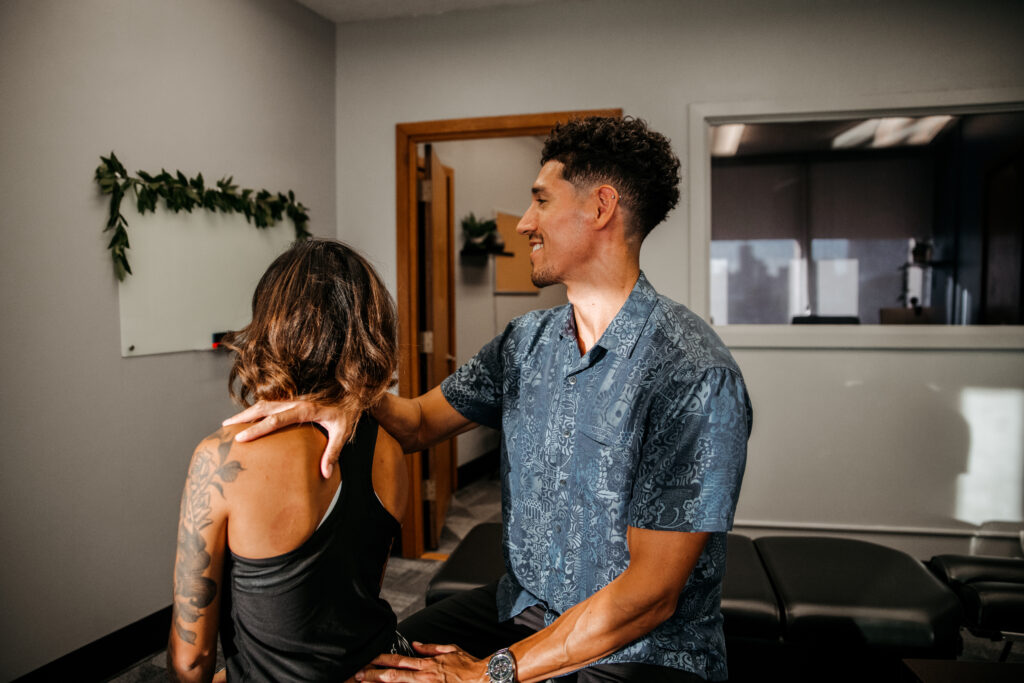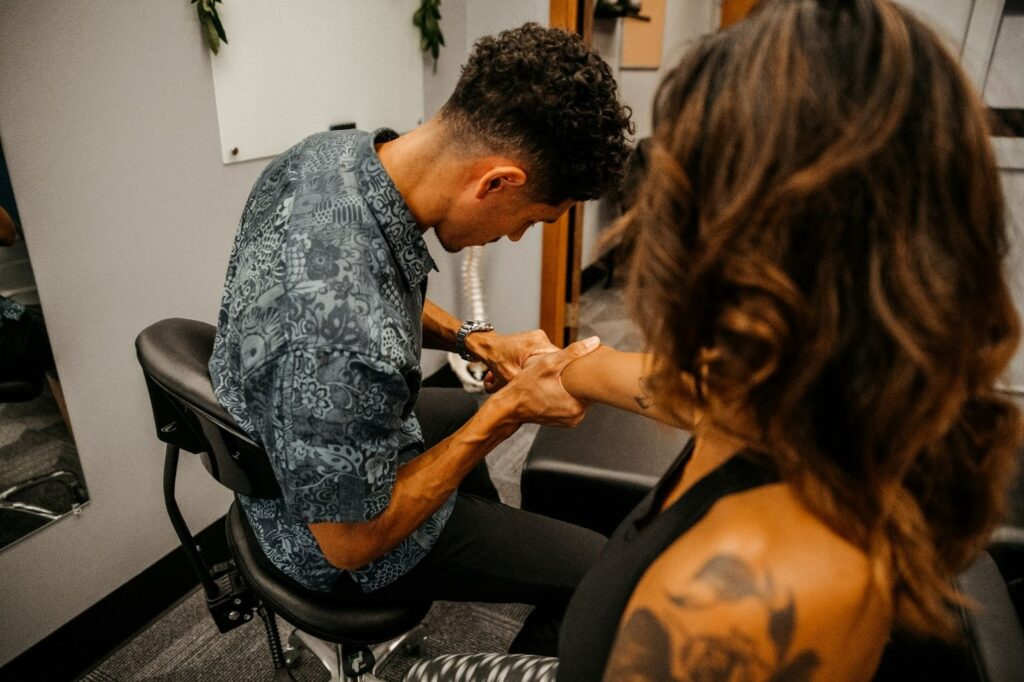
As a local chiropractor, I understand that facing a sports injury can be daunting. However, I want to reassure you that there are various natural therapies available that can significantly enhance your recovery process. Many people may not realize how effective chiropractic care, combined with complementary therapies like massage and advanced techniques such as cryotherapy, can be in facilitating healing.
Chiropractic care focuses on restoring proper alignment and function to your musculoskeletal system, which is crucial for your body's natural healing processes. By addressing misalignments, we can help reduce pain, improve mobility, and support your overall recovery journey.
Massage therapy works hand-in-hand with chiropractic adjustments. It helps to relieve muscle tension, improve circulation, and promote relaxation, all of which are essential for effective healing. Incorporating massage into your recovery plan can enhance the benefits of chiropractic care.
Additionally, advanced therapies like cryotherapy can provide targeted relief and aid in reducing inflammation, allowing you to recover more swiftly. Each of these methods offers unique advantages, and when combined, they can empower you to regain your strength and function more effectively.
So, let's explore which specific therapies could be most beneficial for your recovery. Together, we can tailor a treatment plan that meets your individual needs and helps you get back to your favorite activities as quickly and safely as possible. Remember, you don't have to navigate this journey alone; I'm here to support you every step of the way.
Understanding Sports Injuries
When you participate in sports, the risk of injury is always a possibility, whether you're a seasoned athlete or someone who enjoys physical activity on the weekends. As a chiropractor, I want to emphasize the importance of understanding sports injuries for anyone involved in exercise. Injuries can vary from minor sprains to serious fractures, and recognizing the signs and symptoms is crucial for effective management and recovery.
Let's start by discussing the common types of injuries I often see in my practice. Sprains and strains are very frequent, typically resulting from overstretching or overworking your muscles and ligaments.
Another common issue is tendinitis, which is the inflammation of tendons that can occur due to repetitive movements. Additionally, acute injuries, such as fractures or concussions, tend to happen suddenly during activity. Knowing these differences can significantly aid in your recovery and help you make informed decisions about your treatment.
It's also important to be vigilant about the symptoms associated with injuries. Pain, swelling, bruising, and limited mobility are all signs that something might be amiss. If you experience any of these symptoms, it's crucial not to dismiss them. Seeking immediate assessment is vital, as early intervention can prevent more severe complications down the line.
Moreover, I can't stress enough the importance of proper warm-up and cool-down routines. Incorporating these practices into your regimen can greatly decrease your risk of injury.
Additionally, understanding and respecting your physical limitations is essential. Pushing your body beyond its capabilities can lead to injuries, which chiropractic care can help address naturally.
As you engage in your physical activities, remember that taking care of your body is paramount. If you do experience an injury, I encourage you to reach out for guidance on how chiropractic care can support your healing process and help you return to your favorite activities safely.
The Role of Physical Therapy
How can chiropractic care enhance your recovery from sports injuries? As a local chiropractor, I want to emphasize the vital role that chiropractic treatment plays in helping you regain strength, flexibility, and overall function after an injury. When you're sidelined, it's common to feel frustrated, but a personalized chiropractic plan can guide you on the right path to recovery.
During your initial visit, I'll assess your injury and develop a tailored treatment plan that addresses your specific needs. This plan may include adjustments to align your spine and joints properly, helping to restore mobility and reduce pain.
You'll also learn exercises that enhance strength and endurance, providing you with the tools to prevent future injuries and promote healing. By actively engaging in these sessions, you're not just waiting to heal; you're taking an active role in your recovery.
Moreover, chiropractic care helps manage pain and inflammation through natural methods, such as spinal manipulation, soft tissue therapy, and rehabilitation exercises. These techniques can accelerate your recovery process and allow you to participate more effectively in your rehabilitation.
One of the most significant advantages of chiropractic care is education. I'll help you understand the underlying causes of your injury and teach you how to avoid re-injury. This knowledge empowers you to make informed decisions about your training and daily activities, enhancing your overall well-being.
Integrating chiropractic care into your recovery plan can lead to a quicker return to your sport, minimizing downtime and allowing you to get back to what you love sooner.
Benefits of Massage Therapy
As a local chiropractor, I want to highlight the significant benefits of massage therapy in your recovery from sports injuries.
One of the primary advantages is its ability to improve blood circulation. This increased flow helps deliver essential nutrients to your muscles, promoting healing.
Moreover, massage therapy effectively alleviates muscle tension, allowing you to experience greater flexibility and mobility.
By incorporating massage into your recovery plan, you'll find it much easier to return to your favorite activities and stay active.
Embracing natural healing methods like massage therapy can be a vital part of your overall wellness journey.
Improved Blood Circulation
As a local chiropractor dedicated to educating my patients about natural healing, I want to emphasize the significant role improved blood circulation plays in your recovery process. Many people may not realize that massage therapy, a practice we often incorporate into our holistic approach, can greatly enhance blood flow throughout the body. When you receive a massage, the gentle pressure applied to your muscles stimulates circulation, which is essential for healing.
Here are some specific ways that improved blood circulation can benefit your recovery:
- Reduces Swelling: By increasing blood flow, massage helps to flush out excess fluids that can build up after an injury.
- Accelerates Healing: Enhanced circulation allows more oxygen and vital nutrients to reach damaged tissues, expediting the healing process.
- Enhances Flexibility: When blood flow improves, it can lead to increased joint mobility and greater muscle elasticity, helping you move more freely.
- Promotes Relaxation: A body with better circulation often feels more relaxed, which can alleviate the stress that comes with recovery.
- Boosts Immune Function: Improved circulation supports your immune system, making it easier for your body to fend off infections while you heal.
Incorporating regular massage therapy into your wellness routine can significantly enhance your body's ability to recover from sports injuries and other ailments.
By prioritizing improved blood circulation, you're taking an important step toward a quicker and more effective healing journey.
I encourage you to explore how chiropractic care and natural healing practices can work together to support your overall health and recovery.
Muscle Tension Relief
After an intense workout or a long day of physical activity, it's common to experience muscle tension that can impede your recovery. You might notice tightness or discomfort in your muscles, which not only limits your performance but can also increase your risk of injury. This is where chiropractic care can play a crucial role in your recovery process.
Chiropractic adjustments and therapies can effectively alleviate muscle tension and promote relaxation. As a chiropractor, I focus on restoring proper alignment and function to your body, which helps release built-up knots and tight areas in your muscles. This process allows your body to return to a more natural state, promoting relief that feels rejuvenating.
Additionally, chiropractic care enhances blood circulation, which aids in delivering essential nutrients to your muscles, facilitating a quicker recovery.
Incorporating regular chiropractic adjustments into your routine can also enhance your overall body awareness. You'll become more attuned to areas of tension, which enables you to address issues before they develop into more significant concerns.
Enhanced Flexibility and Mobility
As a local chiropractor, I want to share with you the incredible benefits of incorporating massage therapy into your recovery routine. Many people may not realize that this practice significantly enhances both flexibility and mobility, which are essential for returning to your favorite activities and sports more effectively.
Massage therapy isn't just a luxurious indulgence; it plays a crucial role in your overall wellness and recovery. By helping to stretch and lengthen tight muscles, massage can significantly improve your range of motion and reduce stiffness, which is vital for maintaining an active lifestyle.
Here are some specific advantages you can expect to experience with regular massage therapy:
- Increased Blood Flow: Improved circulation boosts the delivery of essential nutrients to your muscles, promoting quicker recovery.
- Reduced Muscle Tension: Through targeted techniques, massage alleviates tightness, leading to greater freedom of movement.
- Improved Joint Mobility: Frequent sessions can enhance the ease of movement in your joints, helping you perform daily activities with less discomfort.
- Enhanced Muscle Elasticity: The stretching involved in massage keeps your muscles flexible and responsive, which is crucial for injury prevention.
- Faster Recovery Time: With enhanced flexibility and mobility, you significantly lower the risk of re-injury, allowing you to return to your activities sooner.
As you consider your recovery journey, remember that integrating massage therapy with chiropractic care can provide a holistic approach to healing, helping you feel your best and stay active.
Cryotherapy for Injury Recovery
As a local chiropractor, I want to share with you an innovative treatment option that can significantly aid in your injury recovery: cryotherapy. If you've recently experienced an injury, this may be a method worth considering. Cryotherapy involves exposing your body to extremely cold temperatures for a brief period, which can help reduce inflammation and alleviate pain. This approach can notably speed up your recovery time.
When you participate in cryotherapy, your blood vessels constrict, which helps minimize swelling. Once you return to a normal temperature, your circulation improves, allowing for increased blood flow. This is essential, as it delivers vital nutrients and oxygen to the injured area, promoting faster healing.
Many athletes, as well as everyday individuals, report feeling less soreness and stiffness following a session, enabling them to resume their daily activities or training routines more quickly.
Moreover, cryotherapy can stimulate the release of endorphins, your body's natural pain relievers. This can assist you in managing discomfort more effectively, allowing you to focus on your rehabilitation without the constant distraction of pain. Many professional athletes incorporate cryotherapy into their recovery plans, recognizing its benefits in enhancing overall performance and recovery.
If you're considering trying cryotherapy, I encourage you to consult with a healthcare professional or a certified therapist. They can provide guidance on the appropriate frequency and duration of treatments based on your specific injury and needs.
Ultrasound Therapy Explained
As a local chiropractor, I want to share with you an incredible treatment option that many may not be familiar with—ultrasound therapy. This non-invasive technique harnesses sound waves to facilitate healing in injured tissues, making it a highly effective choice for those dealing with sports injuries or other physical ailments.
If you're in recovery from an injury, you might discover that ultrasound therapy can significantly alleviate pain and inflammation, enhancing your rehabilitation journey.
Let me explain how it works and what you can expect during your sessions:
- Stimulates Blood Flow: The sound waves generate tiny bubbles that expand and contract, which boosts circulation to the affected area. This is crucial for healing.
- Reduces Inflammation: By directly targeting the tissues, ultrasound therapy helps to minimize swelling and discomfort, allowing you to feel more at ease.
- Improves Tissue Healing: With increased blood flow comes the delivery of essential nutrients and oxygen, both of which are vital for the repair process.
- Enhances Flexibility: Regular treatments can increase the elasticity of your tissues, making it easier to regain your full range of motion and return to your activities.
- Non-Invasive and Painless: The treatment is straightforward; it typically involves applying a gel to your skin, followed by a handheld device that emits sound waves. You may feel a gentle warmth, but there should be no pain involved.
Typically, your sessions will last around 5-10 minutes, depending on your specific injury and treatment plan.
Ultrasound therapy can serve as a fantastic complement to your recovery regimen, allowing you to get back to your favorite activities with confidence and speed.
However, it's always important to consult with a healthcare professional—like myself—to determine the most suitable approach for your individual needs.
Let's work together to support your journey to better health!
Importance of Rehabilitation Programs
As a local chiropractor, I want to emphasize the vital role rehabilitation programs play in your recovery from sports injuries.
These programs are designed to create personalized recovery plans that cater to your unique needs, helping you regain strength and mobility effectively.
Additionally, they focus on injury prevention, ensuring that you're not only recovering but also better equipped to tackle your next athletic challenge.
Embracing chiropractic care and natural healing methods can significantly enhance your rehabilitation journey, allowing you to return to your favorite activities with confidence and resilience.
Tailored Recovery Plans
As a local chiropractor, I want to emphasize the significant role a well-crafted recovery plan plays in your journey towards healing after a sports injury.
Our tailored recovery plans are designed to meet your individual needs, empowering you to regain strength, flexibility, and confidence in your body. By collaborating closely with me, we'll develop a personalized roadmap that specifically addresses your unique circumstances.
Here are some essential components of an effective tailored recovery plan:
- Initial Assessment: We'll begin with a thorough evaluation of your injury, medical history, and overall fitness level to understand your specific situation.
- Goal Setting: Together, we'll establish realistic and measurable objectives that will keep you motivated throughout your recovery process.
- Customized Exercises: I'll incorporate targeted exercises aimed at enhancing your strength and flexibility, carefully selected based on your injury and current fitness level.
- Nutritional Guidance: I'll provide dietary recommendations that support your healing process and promote your overall health and well-being.
- Regular Progress Evaluations: We'll monitor your recovery closely to ensure you're on the right track, making necessary adjustments along the way as needed.
With a focus on natural healing and chiropractic care, our tailored recovery plans aim to facilitate your return to optimal health and performance.
#
Preventing Future Injuries
As a local chiropractor, I want to emphasize that while recovering from a sports injury is crucial, it's equally important to focus on preventing future injuries. One of the most effective ways to achieve this is through structured rehabilitation programs. These programs not only help you recover but also strengthen the muscles surrounding your injury, improve flexibility, and enhance overall stability. By taking a proactive approach, you significantly reduce your risk of re-injury.
Incorporating physical therapy into your recovery plan is vital. It not only aids in healing but also teaches you proper techniques and body mechanics tailored to your specific needs. This personalized approach ensures that your body is well-prepared for the physical demands of your sport.
I encourage you to integrate these exercises into your routine, as they're essential for promoting balance and coordination.
Additionally, rehabilitation programs often include guidance on effective warm-up and cool-down techniques. By adopting these practices, you can minimize the strain on your body during workouts, which is key to avoiding future injuries.
Regular assessments from a qualified professional, like a chiropractor, will help you track your progress and make any necessary adjustments along the way.
Ultimately, prioritizing injury prevention through chiropractic care and rehabilitation empowers you to return to your sport stronger and more resilient. Investing time in your recovery and future performance is truly an investment that pays off in the long run.
Let's work together to ensure you stay healthy and active!
Mental Health and Recovery
As a local chiropractor, I want to emphasize the importance of mental health during your recovery from injuries. Your mental well-being plays a significant role in how effectively your body heals.
When you're unable to participate in your usual activities, it's common to experience feelings of frustration, anxiety, or even depression, which can make the recovery process feel even more daunting. By prioritizing your mental health, you can enhance your physical recovery and come back to your sport even stronger.
Here are some key points to consider for maintaining mental health during your recovery:
- Stay Connected: It's crucial to engage with your teammates, friends, and family. Building a strong support network can help you feel less isolated and more motivated during your healing journey.
- Set Realistic Goals: Break your recovery down into smaller, achievable milestones. Acknowledge and celebrate each small success to keep your spirits high and your motivation strong.
- Practice Mindfulness: Incorporating techniques such as meditation or yoga into your routine can significantly reduce stress levels and improve your focus, benefiting both your mental and physical recovery.
- Seek Professional Help: If you find it challenging to cope with the emotional aspects of your injury, consider reaching out to a sports psychologist or counselor. They can offer valuable strategies and support to help you navigate this difficult time.
- Maintain a Positive Attitude: Focus on the aspects of your recovery that you can control, and remind yourself that healing takes time. Practicing positive affirmations can help uplift your mindset and foster resilience.
Nutrition's Impact on Healing
As a chiropractor, I want to emphasize the vital role that proper nutrition plays in your recovery and overall healing process. When you experience an injury, your body needs specific nutrients to effectively repair damaged tissues and minimize inflammation. A balanced diet that includes a variety of vitamins, minerals, proteins, and healthy fats is essential for optimal healing.
First and foremost, let's talk about protein. It's critical for rebuilding muscle and tissue following an injury. I recommend incorporating lean meats, fish, eggs, legumes, and dairy into your meals. It's beneficial to have a diverse range of protein sources to ensure your body receives all the essential amino acids it needs.
Don't forget about the importance of vitamins and minerals. For instance, Vitamin C is essential for collagen formation, which is key in tissue repair. You can find this nutrient in citrus fruits, strawberries, and bell peppers.
Additionally, Vitamin D and calcium are crucial for bone healing, with good sources found in fortified foods, dairy products, and leafy greens.
Healthy fats are also important, as they help reduce inflammation. Be sure to include sources such as avocados, nuts, seeds, and olive oil in your diet.
And let's not overlook hydration; drinking enough water is vital as it aids in transporting nutrients throughout your body.
## Preventing Future Injuries
As a local Chiropractor, I'm here to help you understand how to not only recover from injuries but also to prevent them in the future. Taking a proactive approach to your health can keep you active and out of discomfort.
Here are some essential strategies to consider:
- Strength Training: It's important to incorporate exercises that strengthen the muscles surrounding your vulnerable joints. This not only builds resilience but also provides essential support for your body, reducing the likelihood of injuries.
- Flexibility Work: Regular stretching and flexibility routines are key to enhancing your range of motion. Improved flexibility can significantly lower your risk of strains and sprains, making everyday activities safer.
- Proper Warm-Up and Cool Down: Always start with a thorough warm-up before engaging in any physical activity. This prepares your muscles and joints for action.
Afterward, a proper cool-down is crucial as it aids in recovery and helps prevent stiffness.
- Listen to Your Body: It's vital to pay attention to any signs of discomfort or fatigue. Ignoring these signals can lead to overuse injuries. If something feels off or if you're in pain, it's important to take a step back and reassess your activity.
- Cross-Training: Engaging in a variety of exercises can help prevent repetitive strain on specific muscles and joints. This approach not only maintains your overall fitness but also promotes balanced muscle development, which is essential for injury prevention.
By integrating these strategies into your routine, you can promote your overall health and well-being while minimizing the risk of future injuries.
If you have any questions or need personalized advice, feel free to reach out. Your health is our priority!
Success Stories in Recovery
When you hear about real-life recovery stories, it's clear just how effective chiropractic care can be in the healing process.
Many athletes have encountered significant injuries but have successfully returned to their peak performance thanks to the holistic approaches we offer.
Let's take a moment to explore some inspiring examples that illustrate how chiropractic treatment can transform recovery journeys and enhance overall well-being.
Real-Life Recovery Examples
As a local chiropractor, I often see athletes facing daunting injuries, but I want to share some remarkable success stories that demonstrate the power of recovery through chiropractic care and natural healing methods.
These inspiring examples highlight how dedication and the right approach can lead to significant improvements in health and performance.
- A soccer player was able to return to the pitch after suffering a torn ACL by adhering to a comprehensive rehabilitation plan that included chiropractic adjustments to promote joint health and improve flexibility.
- A marathon runner successfully navigated a severe ankle sprain thanks to a combination of chiropractic care and personalized recovery strategies, enabling them to compete again within just a few months.
- A basketball player made a remarkable comeback from a shoulder injury through targeted chiropractic therapy that enhanced mobility and alleviated pain, paving the way for a successful season.
- A gymnast recovered from a lower back injury by integrating chiropractic treatments with specific exercises, which helped restore confidence and enable them to perform complex routines once more.
- A swimmer overcame a shoulder impingement by diligently following a customized strengthening regimen alongside chiropractic adjustments, ultimately achieving personal bests in their events post-recovery.
These stories exemplify that with the right mindset and the support of chiropractic care, recovery isn't merely a possibility—it is entirely achievable.
Impact of Therapy Techniques
As a local chiropractor, I want to emphasize the vital role that therapy techniques, especially chiropractic care, play in athletes' recovery journeys. Many of you may have heard inspiring stories of athletes who, after facing serious injuries, have come back even stronger through various therapeutic interventions.
For instance, take the case of a runner who suffered from a debilitating hamstring injury. With a tailored approach that included chiropractic adjustments and targeted rehabilitation exercises, they not only recovered but also saw improvements in their overall performance.
Another compelling example is a basketball player who utilized chiropractic care to manage chronic knee pain. By integrating regular adjustments and therapies into their routine, they found significant relief and were able to return to the court with renewed confidence and vigor.
These stories highlight how specific therapy techniques—whether it's chiropractic adjustments, manual therapy, or other natural healing methods—can have a profound impact on recovery. It's becoming increasingly common to see athletes prioritize these therapies as an essential part of their training, recognizing their importance in both injury prevention and recovery.
As you consider your own recovery journey, I encourage you to explore chiropractic care as a powerful option. The right therapy technique can lead to transformative results, helping you not only heal but also elevate your athletic performance.
Embracing these natural healing methods can pave the way for your future successes in sports and overall well-being.
Conclusion
As a local chiropractor, I want to emphasize the importance of incorporating a variety of therapies into your recovery plan after a sports injury. Many people are not familiar with how chiropractic care can significantly enhance your healing process. By integrating chiropractic adjustments, massage therapy, and cutting-edge treatments like cryotherapy and ultrasound into your recovery, you can not only alleviate pain but also promote a faster and more effective healing journey.
It's essential to understand that recovery isn't just about physical treatments. Nutrition and mental health play crucial roles in your overall well-being and recovery. A well-rounded approach, which includes chiropractic care, can help you regain your strength, prevent future injuries, and get you back to doing what you love most—playing your sport. I encourage you to explore these natural healing methods and see how they can benefit your recovery.