
If you're dealing with persistent neck pain, you're likely seeking effective ways to find relief. You might be surprised to learn that simple stretching and strengthening exercises, along with ergonomic adjustments in your workspace, can make a significant difference. Furthermore, exploring alternative therapies could open new avenues for comfort. But before you jump into these methods, it's crucial to understand the underlying causes of your discomfort. What might be holding you back from achieving lasting relief? Let's explore these strategies further to uncover potential solutions.
Understanding Neck Pain Causes
Neck pain can stem from a variety of causes, and understanding these can help you find effective relief. One common culprit is poor posture, especially if you spend long hours hunched over a computer or looking down at your phone. This position can strain the muscles and ligaments in your neck, leading to discomfort.
You mightn't realize it, but even how you sleep can contribute to neck pain. Using the wrong pillow or sleeping on your stomach can put undue pressure on your neck.
Another cause could be muscle strain. If you've recently engaged in activities that require repetitive neck movements, such as lifting heavy objects or participating in sports, you may find yourself dealing with soreness.
Additionally, emotional stress can manifest physically, causing you to tense your neck and shoulder muscles, which can lead to pain.
Injuries, such as whiplash from a car accident, can also be a significant factor. This sudden movement can damage the soft tissues in your neck, resulting in persistent pain.
Degenerative conditions like arthritis or herniated discs can further complicate matters, as they may compress nerves or reduce mobility.
Lastly, certain medical conditions, such as fibromyalgia, can contribute to chronic neck pain. By identifying the specific cause of your discomfort, you'll be better equipped to seek appropriate treatments and lifestyle changes that can provide relief.
Understanding your neck pain is the first step toward recovery.
Stretching Techniques for Relief
If you're dealing with neck pain, gentle stretches can make a big difference in your comfort.
Incorporating strengthening exercises helps support your neck and prevent future issues.
Let's explore some effective techniques to relieve tension and improve mobility.
Gentle Neck Stretches
Feeling tension in your neck can be incredibly uncomfortable, but gentle stretches can offer considerable relief.
Try starting with a simple neck tilt. Sit or stand up straight, then gently tilt your head to one side, bringing your ear toward your shoulder. Hold this position for about 15-30 seconds, feeling the stretch along the opposite side of your neck. Switch sides and repeat.
Next, consider the chin tuck. While sitting or standing, pull your chin back toward your throat, keeping your spine straight. This exercise helps realign your neck and alleviate tightness. Hold for 5 seconds and repeat 10 times.
Another effective stretch is the shoulder shrug. Raise your shoulders toward your ears, hold for a few seconds, and then release them down. Repeat this 10 times to release built-up tension in your neck and shoulders.
Lastly, incorporate gentle rotations. Slowly turn your head to one side until you feel a stretch, hold for a few seconds, and then do the same on the other side.
Consistent practice of these gentle stretches can considerably enhance your neck's flexibility and reduce discomfort.
Strengthening Exercises Benefits
Regularly incorporating strengthening exercises into your routine can greatly enhance your neck's stability and resilience. By focusing on the muscles that support your neck, you can reduce the risk of injury and alleviate discomfort.
Stronger muscles help maintain proper posture, which is essential for preventing neck strain, especially if you spend long hours sitting at a desk.
You might consider exercises like shoulder shrugs, neck tilts, and resistance band movements. These not only build strength but also improve flexibility, allowing your neck to move more freely.
When your muscles are strong, they can better support the weight of your head, reducing the strain on your neck vertebrae and discs.
Incorporating these exercises a few times a week can lead to noticeable improvements in how your neck feels and functions. Remember, consistency is key. Start slowly and gradually increase your intensity as your strength grows.
As you strengthen your neck, you'll likely find that everyday activities become easier and more comfortable.
Strengthening Exercises to Consider
Strengthening exercises play an essential role in alleviating neck pain and enhancing overall stability. By focusing on the muscles surrounding your neck, you can improve support and reduce discomfort. Here are a few exercises you should consider incorporating into your routine.
First, try neck stretches. Gently tilt your head to one side, bringing your ear toward your shoulder. Hold for 15-30 seconds, then switch sides. This helps to increase flexibility and relieve tension.
Next, consider chin tucks. While sitting or standing, pull your chin straight back, creating a double chin effect. Hold for a few seconds and release. This exercise strengthens the deep neck flexors, promoting better posture.
Another effective exercise is shoulder shrugs. Stand or sit up straight, lift your shoulders toward your ears, hold for a moment, and then relax. Repeat this 10-15 times.
Shoulder rolls can also help; roll your shoulders forward and backward in a circular motion. This increases mobility and reduces tension in the upper back and neck.
Lastly, incorporate isometric neck exercises. Place your hand on your forehead and push against it without allowing your head to move. Hold for a few seconds and repeat on the sides and back of your head. These exercises build strength without excessive movement, making them gentle yet effective.
As always, consult a healthcare professional before starting any new exercise program, especially if you're dealing with chronic neck pain. With consistent practice, you can cultivate a stronger, more resilient neck.
The Role of Ergonomics
When it comes to relieving neck pain, your workspace setup plays an essential role.
By adjusting your desk and chair height, and being mindful of your posture, you can considerably reduce strain on your neck.
Let's explore some effective techniques to enhance your ergonomics and promote comfort throughout your day.
Proper Desk Setup
In today's digital age, having a proper desk setup is essential for preventing neck pain and promoting overall comfort. Start by adjusting your chair height so your feet rest flat on the floor, with your knees at or slightly below hip level. This positioning helps maintain a neutral spine.
Your desk should be at elbow height when you're seated, allowing your arms to rest comfortably by your sides.
Next, position your monitor about an arm's length away, with the top of the screen at or slightly below eye level. This setup encourages you to keep your head in a neutral position rather than craning your neck. If you use a laptop, consider using a laptop stand or an external keyboard and mouse to achieve this ergonomic alignment.
Don't forget about lighting; adequate light reduces glare on your screen and helps you avoid straining your eyes.
Finally, keep frequently used items within arm's reach to avoid unnecessary stretching. By taking these steps, you can create a workspace that supports your neck and overall well-being, helping you stay comfortable throughout your workday.
Posture Awareness Techniques
One key technique for improving posture awareness is to regularly check in with your body throughout the day. Set reminders on your phone or computer to pause and assess your alignment. Are your shoulders relaxed? Is your head aligned over your spine? This simple practice can help you catch any slouching or tension before it becomes a habit.
Another effective method is to use ergonomic tools designed to promote good posture. Invest in a chair that supports your lower back, or use a lumbar roll. If you work at a desk, consider a standing desk or a monitor riser to keep your screen at eye level. These adjustments can encourage a more natural spinal alignment.
In addition, practice mindfulness techniques, like deep breathing, to help you stay aware of your body. When you feel stress, it's easy to tense up, which can lead to poor posture.
Alternative Therapies to Explore
Exploring alternative therapies can open new doors to relief from neck pain, offering options beyond traditional treatments. You might find that methods like acupuncture, massage therapy, and chiropractic adjustments provide significant benefits. These therapies can help alleviate tension, reduce inflammation, and improve your overall mobility.
Acupuncture, an ancient practice rooted in Chinese medicine, involves inserting thin needles into specific points of your body. Many people report a decrease in pain and improved function after just a few sessions. If you're open to trying it, seek a licensed acupuncturist experienced in treating neck issues.
Massage therapy is another excellent option to evaluate. Regular sessions can relieve muscle tension and stress, which often contribute to neck pain. Whether you prefer deep tissue, Swedish, or trigger point massage, working with a skilled therapist can help you find the right technique for your needs.
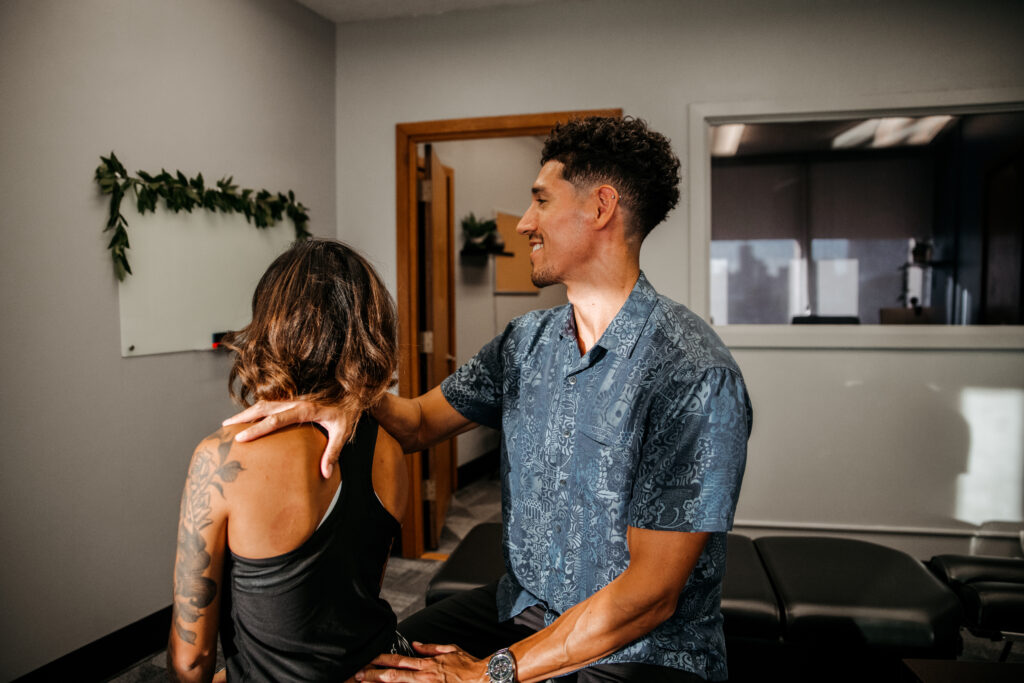
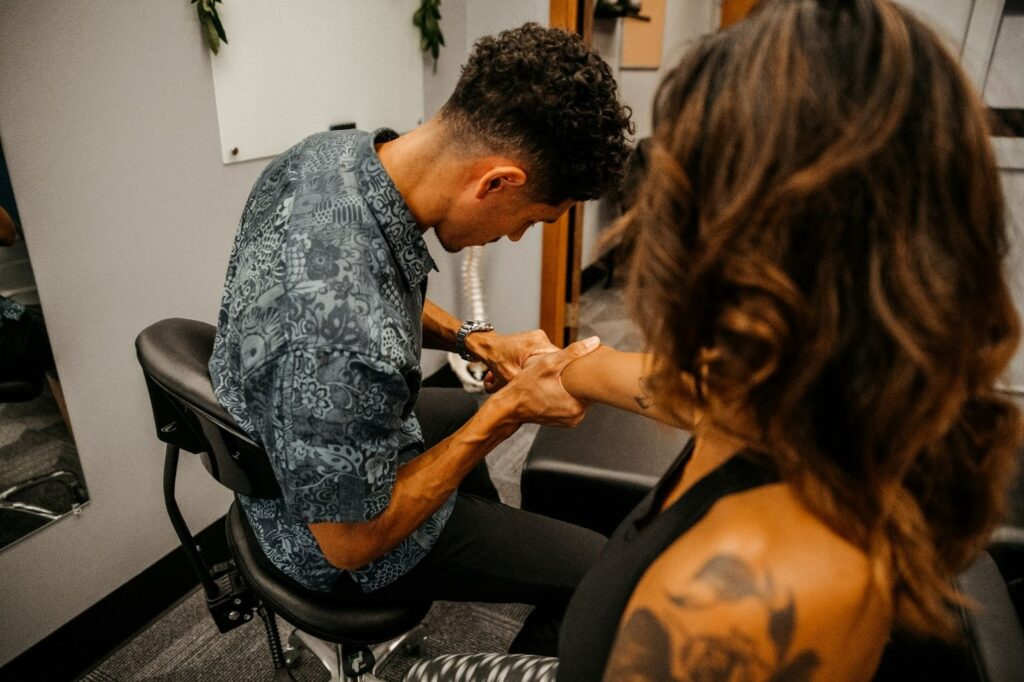
Chiropractic care focuses on alignment and spinal health. A chiropractor can assess your neck and spine to identify misalignments that may be causing discomfort. Through adjustments and other modalities, they can help restore balance and alleviate pain.
Additionally, practices like yoga and tai chi incorporate gentle movements and stretches that promote flexibility and strength. Engaging in these activities regularly might help you manage neck pain and prevent future flare-ups.
Exploring these alternative therapies could lead you to the relief you've been seeking. Remember, you don't have to stick to conventional methods; sometimes, stepping outside the box can yield the best results.
When to Seek Professional Help
Knowing when to seek professional help for neck pain is essential for effective management. If your neck pain persists for more than a few days, or if it intensifies despite your efforts to alleviate it, it's time to consult a healthcare provider.
Don't ignore warning signs like numbness, tingling, or weakness in your arms or hands, as these could indicate nerve involvement.
You should also reach out to a professional if your neck pain follows an injury or trauma. A sudden impact, like a fall or a car accident, can lead to serious conditions that require immediate attention.
Additionally, if you experience severe headaches, dizziness, or visual disturbances along with neck pain, seek help without delay.
If your neck pain interferes with daily activities, work, or sleep, it's another signal that you shouldn't brush off. Chronic pain can affect your overall quality of life, and a professional can help identify the underlying cause and develop a treatment plan tailored to your needs.
When considering the right time to seek help, trust your instincts. If something feels off or if your pain feels abnormal, don't hesitate to reach out.
Early intervention can lead to better outcomes, helping you regain mobility and comfort. Remember, it's always better to be cautious when it comes to your health, so don't hesitate to ask for professional guidance when needed.
Lifestyle Changes for Prevention
Making simple lifestyle changes can substantially reduce your risk of developing neck pain. First, pay attention to your posture. Whether you're sitting at a desk, using your phone, or even standing, maintaining good alignment can prevent strain. Keep your shoulders back, and make sure your screen is at eye level to avoid craning your neck.
Next, take frequent breaks, especially if you're engaged in repetitive activities. Set a timer to remind yourself to stand up, stretch, and walk around every hour. This not only helps with circulation but also alleviates tension that builds up in your neck and shoulders.
Incorporating regular exercise into your routine is another effective way to prevent neck pain. Strengthening your neck and upper back muscles through activities like yoga or Pilates can improve your stability and flexibility.
Additionally, cardiovascular exercises, like walking or swimming, promote overall body health.
Don't overlook the importance of a good sleeping position. Choose a supportive pillow that keeps your neck aligned with your spine. Try sleeping on your back or side instead of your stomach, as the latter can twist your neck awkwardly.
Lastly, be mindful of stress management. High stress can lead to muscle tension in your neck. Engage in relaxation techniques such as deep breathing, meditation, or gentle stretches to help reduce stress levels.
Conclusion
Incorporating these methods into your routine can greatly relieve your neck pain. By understanding the causes and practicing stretching and strengthening exercises, you can enhance flexibility and resilience. Don't forget to optimize your workspace ergonomics and consider exploring alternative therapies like acupuncture. If your pain persists, seeking professional help is essential. Finally, making lifestyle changes can prevent future discomfort. Take charge of your neck health—your body will thank you!