

Backpack Safety for Kids: A Honolulu Guide from Step Up Chiropractic
Back-to-school time in Honolulu means sun, surf, and a lot of books. At Step Up Chiropractic, we see plenty of keiki and teens with sore shoulders or tired backs after long days of classes, sports, and homework. The good news: a few smart backpack habits can go a long way toward keeping growing spines comfortable and strong. In this guide, you’ll learn how to choose, fit, and pack a backpack so it supports your child’s posture and daily activities—without weighing them down.
What do we mean by “backpack safety”? Backpack safety means selecting, fitting, and packing a backpack in ways that minimize strain on a child’s back, shoulders, and neck. It focuses on load management, posture, and movement so kids can carry what they need comfortably and confidently.
Why Backpack Habits Matter for Growing Spines
Children’s bones, muscles, and movement patterns are developing rapidly. Repeated daily stresses—like carrying a heavy or poorly fitted backpack—can add up. Over time, this can contribute to sore shoulders, a stiff neck, mid-back fatigue, or lower back discomfort.
Backpack habits also influence posture. When a pack is too heavy or hangs low, kids often lean forward or elevate one shoulder to compensate. These patterns can become habits, especially during growth spurts. The right setup makes it easier to stand tall and move naturally.
How Backpacks Affect Posture and Muscles
Think of the backpack as a moving load that your child’s body must balance. When the weight sits far from the spine or too low, it creates a longer lever arm. That means more effort from the back extensors and shoulders to keep the torso upright.
Heavy loads can encourage a forward head position and rounded shoulders. One-strap carrying can create asymmetry, with one side working harder. Over days and weeks, muscles may become overworked and tight, while others under-activate, making posture feel less natural.
With a well-fitted, properly packed bag, the load stays closer to the body’s center of gravity. This reduces strain and lets the hips and core share the work. The goal is comfort and freedom of movement, not rigid “perfect” posture.
Common Mistakes and Simple Fixes
Small changes have a big payoff. Here are frequent backpack pitfalls we see at Step Up Chiropractic in Honolulu—and what to try instead.
| Common Mistake | Simple Fix | Why It Helps |
|---|---|---|
| Wearing one strap | Use both shoulder straps every time | Balances the load and reduces uneven shoulder and neck strain |
| Backpack hangs below the low back | Tighten straps so the bottom of the pack sits at or slightly above the waist | Keeps weight closer to the spine to reduce leverage and fatigue |
| Overstuffed front pockets | Pack heaviest items flat against the back panel | Centers mass near the body to improve posture and comfort |
| Thin or narrow straps | Choose wide, padded straps with adjustability | Spreads pressure across a larger area and protects soft tissue |
| No use of chest or waist straps | Buckle chest and waist straps for longer walks | Transfers some load to the torso and hips for better stability |
Choosing the Right Backpack
Start with the size. The top of the pack should sit near shoulder height without rising above the base of the neck. The bottom should not sag past the waistline. If the bag looks too wide or tall for your child’s frame, size down.
Look for features that support comfort. Wide, padded straps reduce pressure. A padded back panel helps distribute weight. Multiple compartments help place heavier items close to the back. Chest and waist straps are great for longer walks or bus rides.
Durability matters in our island climate. Salt air and frequent showers can wear materials faster. Choose sturdy fabrics and consider water-resistant or quick-dry materials. Reflective accents are also helpful for early mornings or overcast afternoons.
How to Fit and Wear a Backpack the Right Way
Once you have the right pack, fitting it properly is the next step. A quick setup routine can make your child more comfortable all day.
- Adjust shoulder straps so the pack sits high and close, with the bottom at or slightly above the waist.
- If available, fasten the chest strap at mid-chest to bring the pack inward and stabilize the load.
- Buckle the waist strap snugly over the hip bones for longer carries to shift some weight to the pelvis.
- Use both shoulder straps—every time. It’s a small habit that prevents big imbalances.
- Do a quick “shake test.” If the pack swings or bounces, cinch the straps a bit more.
Safe Weight Guidelines and Packing Tips
In general, many pediatric and ergonomic groups suggest keeping backpack loads around 10–15% of a child’s body weight. A lighter range is better for younger children or when walking longer distances. For example, a 70-pound child would aim for about 7–10 pounds total.
What’s inside matters as much as the number on the scale. Pack heavier, flat items—like textbooks or laptops—against the back panel. Lighter items can go in outer compartments. Keep only what’s needed for that day to avoid accumulation.
- Do a weekly “clean-out” to remove extras like old papers, toys, or duplicate supplies.
- Use a refillable water bottle and pack it on the side closest to the back, or carry it by hand if the pack is near the weight limit.
- Consider digital textbooks or class sets when available to reduce daily load.
How Chiropractic Care Fits In
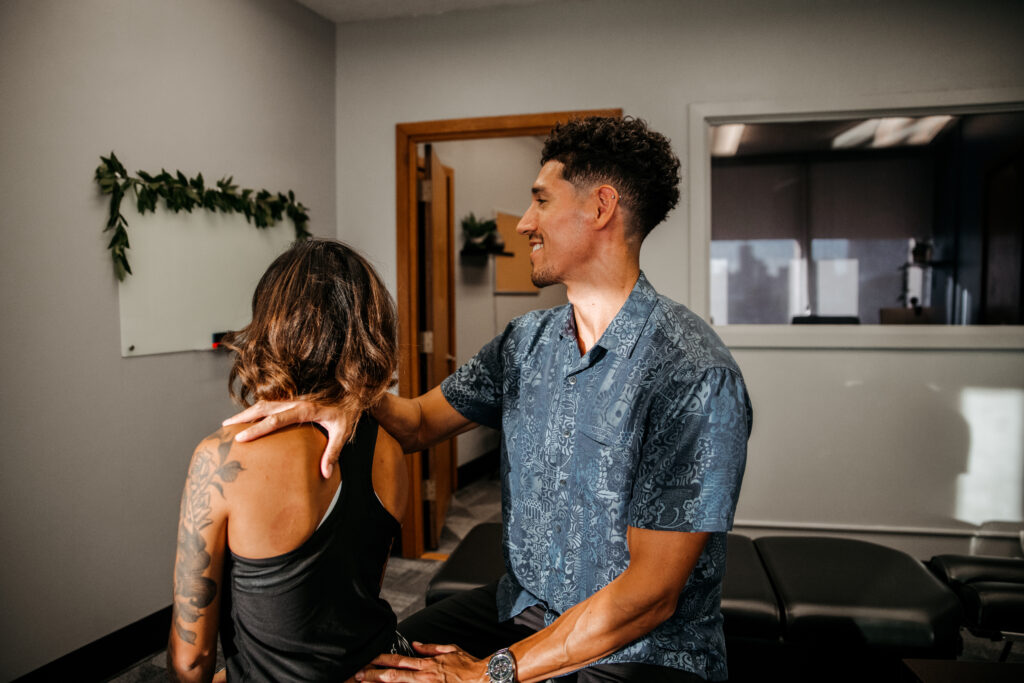
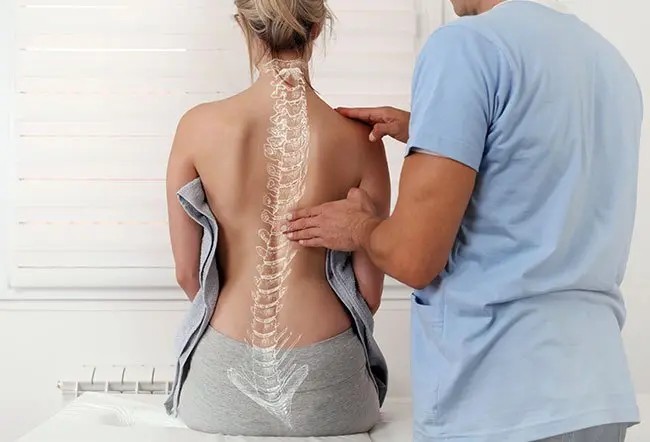
As chiropractors, our focus is movement health. For kids and teens, that starts with a clear look at posture, joint mobility, muscle balance, and daily habits—like how a backpack is worn. If your child is uncomfortable, a chiropractic evaluation can help identify which tissues are doing too much and which need support.
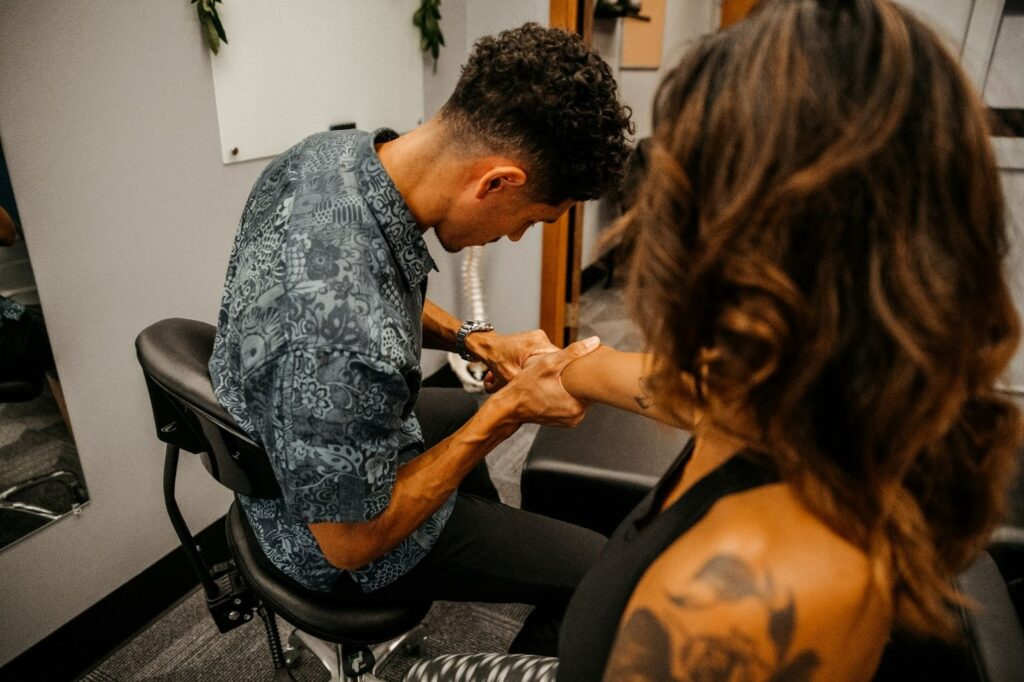
Care plans are individualized. Depending on your child’s needs, we may use gentle, age-appropriate manual techniques to improve joint mobility, soft-tissue care for overworked muscles, and guidance on stretches or strength work. We’ll also coach backpack fit and packing to reduce daily strain.
Chiropractic care often works best alongside good sleep, hydration, movement breaks, and sport-specific conditioning. Our goal is to help your child move better, feel better, and get back to the activities they love—without overpromising quick fixes.
When to See a Chiropractor
Not every sore shoulder needs an appointment. But it’s a good idea to schedule a chiropractic visit if your child notices any of the following:
- Pain in the back, neck, or shoulders that lasts more than a week
- Soreness that returns daily after school
- Frequent tension-type headaches
- Red marks or grooves from straps
- One shoulder consistently higher than the other
- Leaning to one side with the pack on
We’ll take a thorough history, perform a movement and posture assessment, and tailor recommendations. If something outside our scope is suspected, we’ll guide you to the right medical professional.
When to Seek Medical Care
Some symptoms call for medical evaluation rather than conservative care. Contact your pediatrician or seek urgent care if your child experiences:
- Severe back pain after a fall or accident
- Numbness, tingling, or weakness in the legs
- Changes in bladder or bowel control
- Unexplained fever with back pain
- Unintended weight loss
Chiropractic is not emergency care. Safety comes first, and timely medical attention is important when red flags are present.
Local Tips for Honolulu Families
Here in Honolulu, many students walk between outdoor classrooms, hop on city buses, or bike to school. That means backpacks get real-world wear. A few local-minded ideas can help.
Think weather-ready. A light rain cover or water-resistant pack keeps books and devices dry during passing showers. Quick-dry, breathable materials are more comfortable in our humidity.
Make visibility a priority for early mornings or cloudy afternoons. Reflective strips or a small clip-on light help with safety near busy streets. If your child walks or bikes uphill, consider using the waist strap to shift weight to the hips.
Hydration matters. Encourage regular water breaks, and pack the bottle close to the back panel. If it’s a heavy steel bottle, carrying it by hand for a short walk may be easier on the spine.
Final Thoughts
Healthy backpack habits aren’t complicated, and they pay off every school day. With the right bag, a good fit, and mindful packing, most kids can carry what they need comfortably. If your child is struggling, we’re here to help.
At Step Up Chiropractic in Honolulu, we love supporting local families with practical, evidence-informed care. If you ever have questions about posture, alignment, or backpack comfort, reach out—our door is always open.
FAQs
How heavy should my child’s backpack be?
A common guideline is about 10–15% of body weight. Younger children or longer walking distances may do best at the lower end of that range.
What type of backpack is best?
Choose a backpack that matches your child’s size, with wide padded straps, a padded back panel, and compartments that let you pack heavier items close to the spine. Chest and waist straps are helpful bonuses.
Are rolling backpacks better?
Rolling packs reduce load on the back, which can help on long walks. They can be less practical on stairs or uneven surfaces, so consider your child’s daily route.
Should kids wear the waist and chest straps?
Yes, especially for longer distances. These straps stabilize the load and shift some weight to the torso and hips, which often feels more comfortable.
Can chiropractic care help with backpack-related discomfort?
Chiropractic care may help improve joint mobility, ease muscle tension, and address movement patterns. We also assess backpack fit and offer practical, home-friendly tips.
How often should we check the fit?
Recheck every few weeks, and after growth spurts or schedule changes. If the pack starts to hang low or pull backward, it’s time for a quick adjustment.
TL;DR
- Keep backpack weight around 10–15% of body weight, and pack heavy items close to the back.
- Use both padded shoulder straps; adjust so the pack rides at or slightly above the waist.
- Chest and waist straps add comfort on longer walks or bus rides.
- If pain lasts more than a week, or posture looks uneven, a chiropractic check can help.
- Seek medical care for red flags like numbness, weakness, or severe pain after a fall.