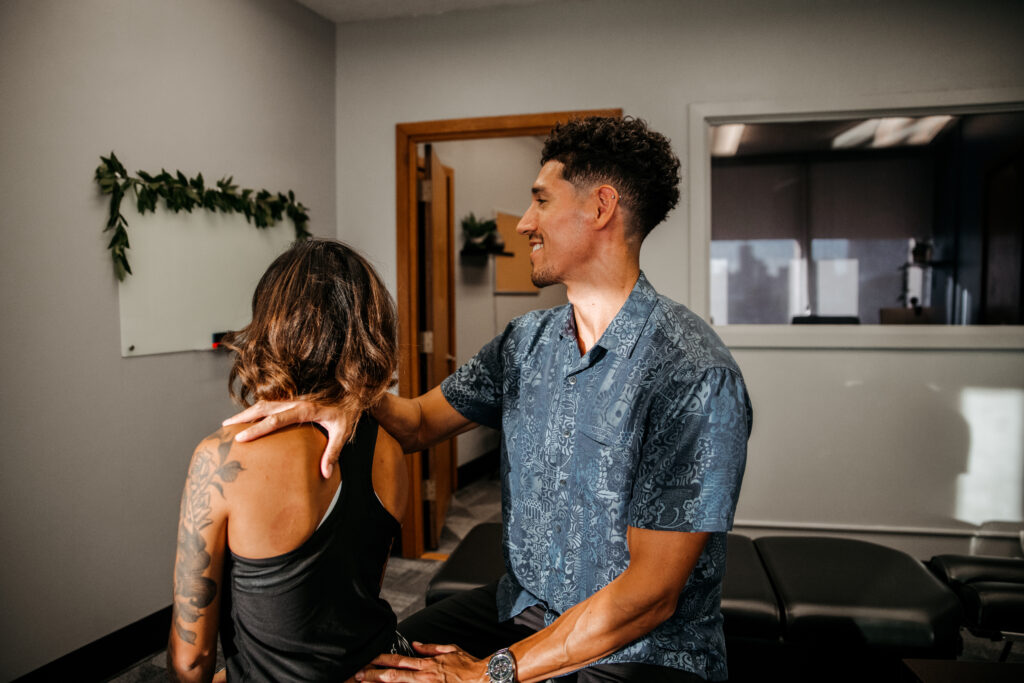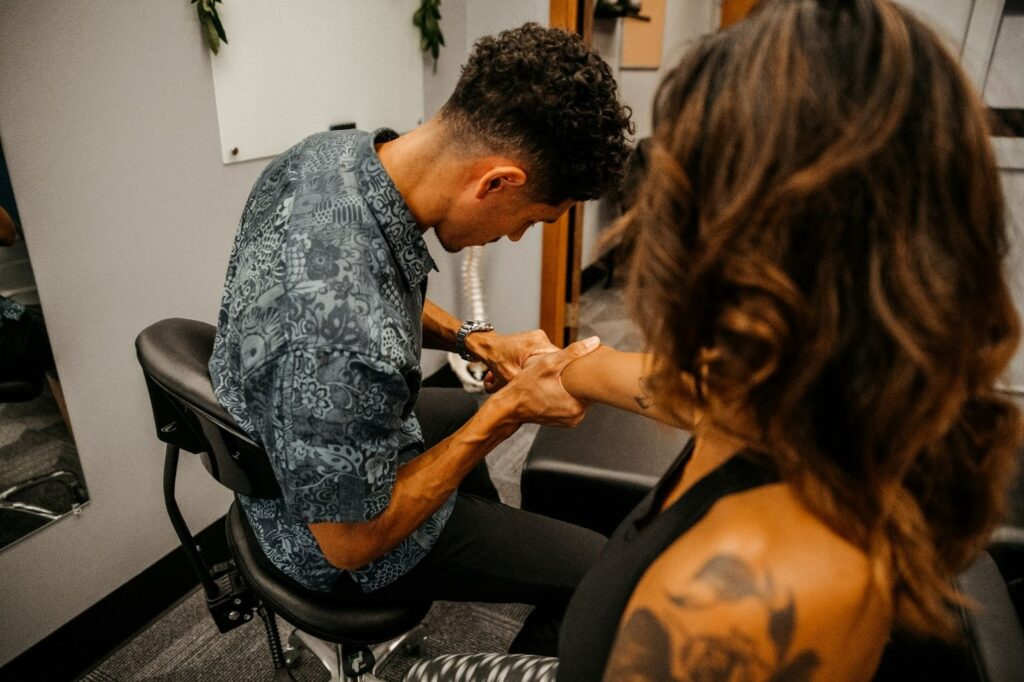

As a local chiropractor, I want to share some effective strategies for preventing chronic pain naturally that can make a significant difference in your life. By focusing on a balanced diet rich in nutrients, engaging in regular physical activity, and embracing mindfulness practices, you can effectively lower your risk of experiencing pain.
In addition to these foundational habits, complementary therapies, including chiropractic adjustments, can play a crucial role in enhancing your overall well-being and promoting optimal body function. It's also important to cultivate strong social connections, as they can provide support and improve your mental health.
As you begin to explore these options, you may find that even small lifestyle changes can lead to remarkable improvements in how you feel. So, what specific practices should you prioritize in your journey toward pain prevention? Let's delve into the details that can truly make a difference in your health and quality of life.
Maintain a Healthy Diet
As your local chiropractor, I want to emphasize the importance of maintaining a healthy diet as a natural approach to preventing chronic pain. Nutrition plays a crucial role in your overall well-being, and by prioritizing wholesome foods, you can significantly reduce inflammation and support your body's natural healing processes.
First and foremost, it's vital to incorporate a variety of fruits and vegetables into your daily meals. These colorful foods are packed with antioxidants and essential vitamins that help combat oxidative stress, which can contribute to pain and discomfort. By nourishing your body with these nutrient-dense options, you're giving it the tools it needs to heal effectively.
Next, let's talk about healthy fats. Incorporating foods like avocados, nuts, and olive oil into your diet can provide your body with essential fatty acids that are known to help lower inflammation. Omega-3 fatty acids, particularly found in fatty fish like salmon and mackerel, have been shown to alleviate pain and stiffness, especially in conditions like arthritis.
Another important aspect of a healthy diet is switching from refined grains to whole grains. Whole grains such as brown rice, quinoa, and whole wheat bread can help maintain stable blood sugar levels and provide you with sustained energy throughout the day. Additionally, I encourage you to limit your intake of processed foods, sugars, and trans fats, as these can exacerbate inflammation and contribute to chronic pain.
Lastly, hydration is critical for your overall health. Drinking plenty of water throughout the day helps support your body's functions and aids in flushing out toxins. If you're looking to enhance your hydration, consider reducing alcohol and caffeine intake, as these can lead to dehydration and potentially worsen pain symptoms.
Engage in Regular Exercise
As your local chiropractor, I want to emphasize the importance of regular exercise in preventing chronic pain.
It's a common misconception that staying active means engaging in intense workouts. In reality, you can achieve significant health benefits through low-impact activities such as walking or swimming. These gentle exercises are excellent for keeping your joints safe while promoting overall physical activity.
Additionally, incorporating strength training into your routine is crucial. Building muscle support not only enhances your fitness but also plays a vital role in reducing the risk of discomfort and injury.
Remember, your body is a complex system, and maintaining its strength and flexibility through regular movement can contribute to natural healing and improved well-being.
Let's work together to find an exercise plan that suits your lifestyle and keeps you feeling your best!
Choose Low-Impact Activities
As a local chiropractor, I want to share with you the benefits of incorporating low-impact activities into your routine for better health and pain management. While many people believe that intense workouts are the key to staying fit, I can assure you that low-impact exercises can be just as effective in preventing chronic pain and improving overall wellness.
Activities such as walking, swimming, or cycling are excellent choices because they exert less strain on your joints and muscles. This makes them ideal for maintaining mobility without the risk of injury, which is especially important if you're dealing with existing pain.
These exercises not only enhance your cardiovascular health but also improve your flexibility and strength, all while minimizing the chances of aggravating any discomfort you may have.
Regularly engaging in low-impact exercises can significantly elevate your mood and energy levels, contributing to your overall well-being. Remember, you don't have to push yourself to the limit. Consistency is key.
I recommend starting with 20 to 30 minutes of activity a few times a week and gradually increasing the duration as your comfort level improves.
Listening to your body is crucial. If you experience pain during your exercises, please don't hesitate to adjust your routine or seek guidance from a healthcare professional, such as myself.
Incorporate Strength Training
As a local chiropractor, I want to emphasize the importance of incorporating strength training into your wellness routine. This approach can significantly enhance not only your overall fitness but also your pain management strategy. Strength training builds muscle, which plays a crucial role in supporting your joints and reducing strain on your body.
By strengthening these muscles, you're not just improving your performance in everyday activities; you're also lowering your risk of injuries that could lead to chronic pain.
I recommend starting with fundamental exercises like squats, lunges, and push-ups. These exercises don't require any special equipment and can easily be done at home. As you become more comfortable and confident, you can gradually increase the intensity by adding weights or resistance bands.
Aim for at least two to three strength training sessions each week, and remember to allow your muscles time to recover. It's normal to feel a bit sore when you first start out; this is simply part of the process of building strength.
Pay attention to how your body responds, and don't hesitate to modify exercises to suit your comfort level. If you're unsure about where to begin or how to perform certain movements, consider working with a trainer. They can guide you in proper techniques and help create a personalized program that aligns with your health goals.
Incorporating strength training not only complements chiropractic care but also empowers you on your journey to better health. Let's work together to achieve your wellness aspirations!
Practice Mindfulness and Meditation
As a local chiropractor, I want to share with you the incredible benefits of practicing mindfulness and meditation, especially when it comes to managing chronic pain.
These techniques can significantly promote relaxation and help you become more aware of the present moment, which is essential for your overall well-being.
Incorporating mindfulness and meditation into your daily routine can be a game-changer for managing stress and tension that often accompany physical discomfort.
I can guide you through various methods that aren't only simple but can easily fit into your lifestyle.
Let's take a closer look at how these practices can enhance your healing journey and explore some straightforward techniques you can start using today.
Benefits of Mindfulness
As a local chiropractor, I want to share with you the powerful benefits of mindfulness and meditation, particularly when it comes to managing chronic pain. Many people aren't aware that these practices can significantly enhance your journey towards healing. By cultivating a greater awareness of your thoughts and feelings, mindfulness allows you to observe your pain without letting it overwhelm you. This change in perspective can greatly reduce the emotional stress often tied to chronic pain, enabling you to respond to discomfort in a more calm and composed manner.
Incorporating mindfulness into your daily routine encourages relaxation, which is essential for alleviating muscle tension and stress that can worsen your pain. When you learn to focus on the present moment, it becomes easier to detach from negative thought patterns, making it simpler to cope with discomfort.
You'll likely notice that practicing mindfulness can also enhance your overall mental well-being, leading to a more positive outlook on life. Regular mindfulness practice not only helps manage stress—an important factor since stress can trigger or aggravate pain—but it can also improve your sleep quality. Good sleep is vital for your body's healing processes.
As you become more attuned to your body through mindfulness, you may discover innovative strategies to ease pain and enhance your daily functioning. Incorporating mindfulness into your routine can empower you to take control of your chronic pain.
As your chiropractor, I encourage you to explore these practices alongside your chiropractic care, as they can complement and enhance your healing journey. Together, we can work towards a more holistic approach to managing your pain and improving your quality of life.
Meditation Techniques Explained
As a local chiropractor, I want to share some valuable insights on how meditation techniques can complement your chiropractic care and help you manage chronic pain more effectively. One of the methods I often recommend is focused attention meditation. This involves concentrating on your breath or repeating a specific mantra, which can cultivate a sense of calm and help you detach from pain sensations—something we aim to achieve through chiropractic adjustments as well.
Another useful technique is body scan meditation. In this practice, you mentally check in with different parts of your body, paying attention to any tension or discomfort. This awareness can promote relaxation, making your chiropractic treatments even more effective by allowing your body to respond better to adjustments.
I also encourage my patients to try loving-kindness meditation. By silently repeating phrases of goodwill towards yourself and others, you can foster compassion and shift your focus away from pain. This emotional resilience can be incredibly beneficial as you navigate your healing journey.
Lastly, guided meditation can be an excellent resource. Using apps or recordings, you can follow a teacher who leads you through relaxation techniques specifically designed for pain management.
Incorporating these meditation techniques into your routine not only helps you develop mindfulness but also empowers you to cope with chronic pain in a more holistic way, enhancing the benefits of your chiropractic care.
Get Quality Sleep
As a local chiropractor, I want to emphasize the critical role that quality sleep plays in managing and preventing chronic pain. When you sleep well, your body has the opportunity to heal and regenerate, which is essential for recovery. Conversely, insufficient quality sleep can hinder your body's ability to recover from stress and injuries, leading to increased pain and discomfort.
To enhance your sleep quality, it's important to establish a consistent sleep schedule. Try to go to bed and wake up at the same time every day, including weekends. This practice helps regulate your body's internal clock, making it easier for you to fall asleep and wake up feeling refreshed.
In addition to maintaining a regular sleep schedule, creating a calming bedtime routine can significantly improve your sleep quality. Engage in relaxing activities such as reading, meditating, or enjoying a warm bath before bed.
It's also vital to steer clear of screens from phones, tablets, and TVs at least an hour before sleep, as the blue light emitted can interfere with your natural sleep cycle.
Your sleeping environment plays a crucial role as well. Ensure your bedroom is cool, dark, and quiet. Investing in a comfortable mattress and pillows can make a big difference in how well you sleep.
If chronic pain is a struggle for you, consider incorporating gentle stretching or relaxation exercises to ease discomfort before bedtime.
Don't forget that lifestyle choices like diet and exercise also impact your sleep. Aim for a balanced diet and regular physical activity, but be mindful to avoid rigorous exercise close to bedtime.
Use Heat and Cold Therapy
As your local chiropractor, I want to share some valuable insights on managing chronic pain through natural methods like heat and cold therapy. These techniques can be highly effective in offering relief and can easily be incorporated into your daily routine.
Heat therapy is an excellent option for alleviating discomfort in tight muscles. When you apply heat, it increases blood flow to the affected areas, helping to relax those tense muscles and soothe any pain. You can use tools such as a heating pad, a hot water bottle, or even indulge in a warm bath. Just remember to wrap any heating source in a cloth to avoid burns, and aim for exposure of about 20 minutes at a time.
Conversely, cold therapy can be extremely beneficial for numbing pain and reducing inflammation. Ice packs or cold compresses are perfect for this purpose. Applying them for 15 to 20 minutes can significantly help with acute pain or swelling, particularly after physical activity. It's crucial to always have a barrier between the ice and your skin to prevent frostbite.
As you explore these therapies, it's important to listen to your body. If you find that heat aggravates your pain, consider switching to cold therapy, and vice versa. Everyone's body is different, and experimenting with both methods can help you discover what works best for your unique situation.
Incorporating heat and cold therapy into your pain management routine isn't only simple but can also lead to significant improvements in your overall well-being. Whether you're addressing muscle stiffness or managing inflammation, these techniques can provide immediate relief from the comfort of your home.
Consistency is key—regular use can result in noticeable changes in how you handle chronic pain, ultimately enhancing your quality of life.
If you have any questions about how to effectively implement these therapies or if you're looking for a tailored approach to your pain management, please feel free to reach out to my office. I'm here to support you on your journey to better health!
Explore Acupuncture Treatments
As a local chiropractor, I want to introduce you to the benefits of acupuncture, an ancient healing technique that many people find helpful for natural pain relief.
This holistic approach involves stimulating specific points on your body, which can effectively alleviate various types of chronic pain.
What's great about acupuncture is that it often complements chiropractic care, enhancing your overall wellness routine.
Most treatment sessions last about an hour, making it a convenient option to incorporate into your regular schedule.
If you're curious about how acupuncture can support your journey to better health, I'm here to answer any questions you may have!
Ancient Healing Technique
As a local chiropractor, I want to share how natural healing techniques, like chiropractic care, can provide relief for chronic pain by tapping into your body's inherent healing abilities. If you're dealing with persistent discomfort, considering chiropractic treatment might be a valuable option for you. This holistic approach focuses on aligning the spine and optimizing your body's function to promote overall well-being.
Many individuals find that chiropractic care not only alleviates pain but also reduces stress, improves sleep patterns, and enhances their quality of life. Unlike traditional methods that often mask symptoms, chiropractic care addresses the root causes of your pain, aiming to restore balance and function to your musculoskeletal system.
You don't need any prior experience with chiropractic adjustments to benefit from this approach. While some patients may feel a slight sensation during the adjustment, most report feelings of relaxation and relief afterward.
To begin your journey towards better health, find a licensed chiropractor in your area. They'll work with you to create a tailored treatment plan that meets your specific needs.
With regular visits, you may notice a gradual reduction in your pain levels and improvements in your overall health. Embracing chiropractic care could be a significant step towards achieving a pain-free and healthier life.
Pain Relief Mechanism
As a local chiropractor, I want to introduce you to the benefits of natural methods for pain relief, including a practice called acupuncture. This ancient technique offers a unique way to address pain by focusing on the body's energy flow, known as "qi." When this flow is interrupted, discomfort and pain can occur. Acupuncture works by inserting thin needles at specific points on the body, aiming to restore balance and promote healing.
One of the key ways acupuncture helps alleviate pain is through the stimulation of endorphin release. These are your body's natural painkillers, which can significantly reduce your perception of pain and enhance your overall sense of well-being.
Additionally, acupuncture has been shown to improve blood circulation, which aids in healing affected areas and helps reduce inflammation.
Acupuncture also interacts with the nervous system, helping to modulate the pain signals sent to your brain. This can be particularly beneficial for those suffering from chronic pain conditions like migraines, arthritis, and back pain.
By addressing the underlying causes of pain rather than just masking the symptoms, acupuncture offers a holistic approach to pain management.
As a chiropractor, I believe in enhancing your body's natural healing processes. Acupuncture could be a valuable addition to your pain relief strategy, and I encourage you to explore its potential benefits.
If you're looking for a comprehensive approach to managing pain, this ancient practice might just be the solution you need.
Treatment Session Duration
When exploring chiropractic treatments, you might be curious about how long each session typically lasts. Generally, a chiropractic session ranges from 30 to 90 minutes, depending on several factors such as your individual needs, the complexity of your condition, and the approach of your chiropractor.
During your initial visit, you can expect a longer session. This is because your chiropractor will take the time to review your medical history and discuss your symptoms in detail. This thorough evaluation often takes about 30 minutes, enabling your practitioner to develop a personalized treatment plan tailored to your specific situation.
In follow-up sessions, the duration may be shorter, often lasting around 30 to 60 minutes, as the focus will be on adjustments and addressing your primary concerns.
It's crucial to communicate openly with your chiropractor about how you're feeling throughout your treatments. If you encounter any discomfort or have questions, please don't hesitate to share your thoughts.
For optimal results, regular chiropractic care is recommended, usually once or twice a week, especially at the beginning of your healing journey. As your condition improves, the frequency of your visits may decrease, allowing you to maintain your well-being with less frequent adjustments.
Stay Hydrated
As a chiropractor dedicated to your overall health and well-being, I want to emphasize the importance of staying hydrated, especially if you're dealing with chronic pain. Water isn't just essential for life; it plays a crucial role in how your body functions, including the efficient transport of nutrients, regulation of your body temperature, and lubrication of your joints.
When you maintain proper hydration, your body is better equipped to function optimally, which can help reduce some of the pain you might be experiencing.
It's important to understand that dehydration can lead to a host of problems such as muscle cramps, fatigue, and increased inflammation—all of which can worsen chronic pain. If you aren't consuming enough water, your body may struggle to handle physical stress, resulting in heightened discomfort.
I recommend aiming for at least eight 8-ounce glasses of water daily, though individual needs may vary based on your activity level, climate, and overall health.
Incorporating hydrating foods into your diet can also boost your water intake. Fruits and vegetables like cucumbers, watermelon, and oranges not only provide hydration but also deliver essential vitamins and minerals that support your body's healing processes.
I encourage you to carry a reusable water bottle with you throughout the day. This simple habit can serve as a reminder to drink water regularly, helping you to meet your hydration goals.
If you find yourself engaging in physical activities or spending time outdoors in the heat, be sure to increase your water intake to replace lost fluids.
As we work together on your path to better health, remember that hydration is a key component in managing pain and supporting your overall wellness. Stay hydrated, and your body will thank you!
Incorporate Yoga and Stretching
As a local chiropractor, I want to share how incorporating yoga and stretching into your daily routine can significantly help you manage chronic pain. These practices go beyond just improving flexibility; they also strengthen your muscles, which can contribute to pain relief over time.
By focusing on your breath and staying present, you can cultivate a mind-body connection that promotes relaxation and reduces tension.
I recommend starting with simple stretches that target areas where you experience discomfort. For example, gentle neck rolls and shoulder stretches can alleviate the tension that builds up from our daily activities.
As you grow more comfortable, consider adding basic yoga poses like Child's Pose or Downward-Facing Dog to your routine. These poses not only enhance your physical flexibility but also foster a sense of calm and well-being.
Consistency is essential for reaping the benefits of these practices. Try to dedicate at least 15-30 minutes each day to your yoga and stretching routine. You don't need a studio or fancy equipment; a quiet corner at home works perfectly.
If you're new to yoga, online resources or apps can offer guided sessions to help you stay on track and motivated.
Always listen to your body during your practice. If a particular pose feels uncomfortable, feel free to modify it or skip it entirely. The aim is to establish a routine that feels good and supports your journey toward pain management.
Over time, you may notice improved mobility, reduced stiffness, and an enhanced sense of overall well-being. So, I encourage you to roll out your mat and start experiencing the healing benefits of yoga and stretching today!
Manage Stress Effectively
As your local chiropractor, I want to emphasize the importance of effective stress management in your overall health, particularly in preventing and alleviating chronic pain. When stress levels increase, your body responds by releasing hormones like cortisol, which can lead to muscle tension and discomfort. By managing your stress, you can reduce these physical responses and lower your risk of developing chronic pain.
First, let's talk about identifying your stress triggers. These can come from various aspects of life, such as work pressures, relationship dynamics, or financial worries. Understanding what causes your stress is the first step in addressing it.
Once you've recognized your triggers, we can work together to create a tailored plan to manage them. This might include setting healthier boundaries at work, carving out time for relaxation, or even discussing the option of seeking professional support when needed.
Incorporating mindfulness practices into your daily routine can also offer significant benefits. Techniques like deep breathing, meditation, or progressive muscle relaxation can help to calm both your mind and body.
Even dedicating just a few minutes each day to these practices can lead to meaningful improvements in how you cope with stress.
Additionally, I encourage you to engage in regular physical activity. Exercise isn't only a natural way to release endorphins—your body's own pain relievers—but it's also an effective stress reducer.
Find activities that you enjoy, whether it's walking, swimming, or dancing; movement is key!
Lastly, remember that social support is invaluable. Connecting with friends and family can provide emotional relief and help you feel more centered.
By taking these steps to effectively manage your stress, you empower yourself to take control of your health, which can significantly decrease the likelihood of experiencing chronic pain.
As your chiropractor, I'm here to support you on this journey to better health through natural healing methods. Together, we can develop a comprehensive approach that includes stress management as a vital component of your wellness plan.
Consider Herbal Remedies
As a chiropractor dedicated to helping you achieve optimal health and wellness, I want to share some natural approaches to managing chronic pain that you may not be familiar with. Herbal remedies can be a powerful ally in your journey toward relief, often providing benefits without the side effects commonly associated with conventional medications.
One herb that I often recommend is turmeric. Its active compound, curcumin, is renowned for its strong anti-inflammatory properties. You can easily add turmeric to your daily routine by including it in your meals or taking it as a supplement. This simple addition to your diet could help reduce inflammation and pain.
Another effective herb is ginger. Many studies indicate that ginger can help alleviate muscle pain and soreness. Whether you enjoy it in a soothing tea, a revitalizing smoothie, or as a spice in your favorite dishes, incorporating ginger can be an excellent way to support your body's natural healing processes.
Willow bark is also worth considering for those dealing with chronic pain, particularly back pain and osteoarthritis. It contains salicin, a compound that works similarly to aspirin. As always, I recommend consulting with your healthcare provider before starting any new herbal regimen, especially if you're currently taking other medications.
In recent years, CBD oil has gained traction for its potential benefits in managing pain and anxiety. Derived from hemp, many patients report experiencing significant relief without the psychoactive effects associated with THC, making it a viable option for those seeking natural alternatives.
Lastly, let's not forget about peppermint. Whether you use it in oil form or enjoy it as a tea, peppermint is known for its ability to soothe headaches and alleviate muscle tension.
As your chiropractor, I'm here to guide you on your path to pain relief and overall wellness. Exploring these herbal remedies could enhance your healing journey in conjunction with chiropractic care.
Always feel free to reach out if you have questions or would like more information on how these natural options can work alongside your treatment plan.
Conclusion
As your local chiropractor, I want to share some valuable insights on how you can prevent chronic pain naturally. By integrating these ten strategies into your daily routine, you can significantly lower your chances of experiencing chronic pain.
First and foremost, a balanced diet is crucial. Nourishing your body with the right foods can aid in reducing inflammation and promoting overall health. Regular exercise is equally important; it helps maintain flexibility and strength, which are key to a pain-free lifestyle.
Mindfulness and effective stress management techniques also play a vital role in your well-being. Chronic stress can contribute to physical tension and pain, so finding ways to relax and center yourself is essential.
I encourage you to explore complementary therapies, such as chiropractic adjustments, which can help align your spine and improve your body's function. Additionally, herbal remedies may provide natural support for your health.
Remember, even small changes in your lifestyle can lead to significant improvements. Start prioritizing your health today, and together, we can work towards a brighter, more comfortable tomorrow. Let's take this journey towards wellness together!