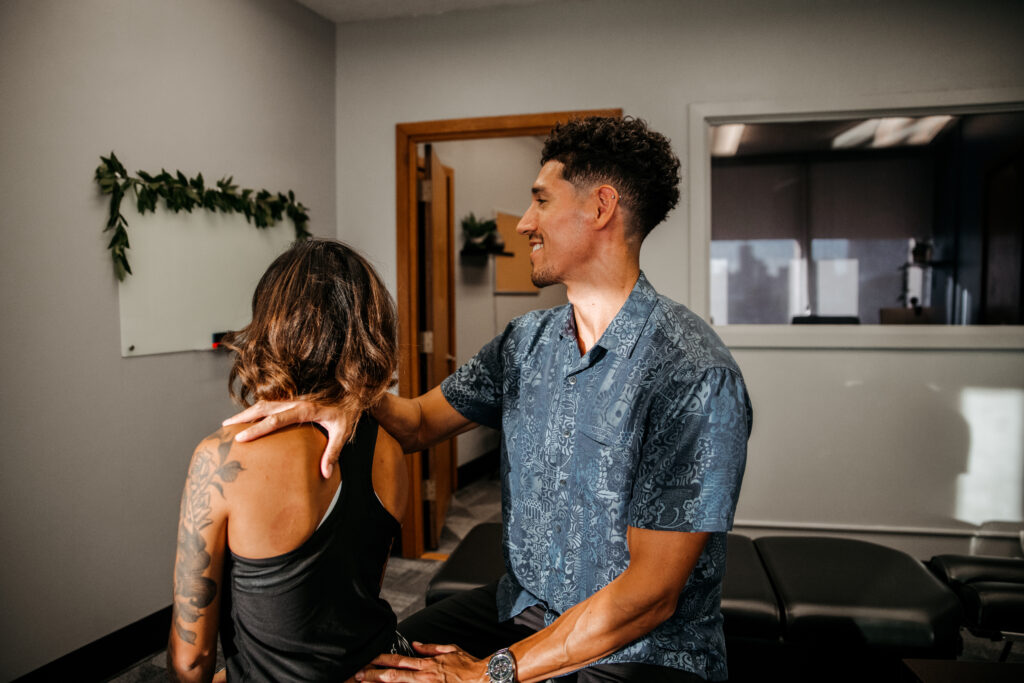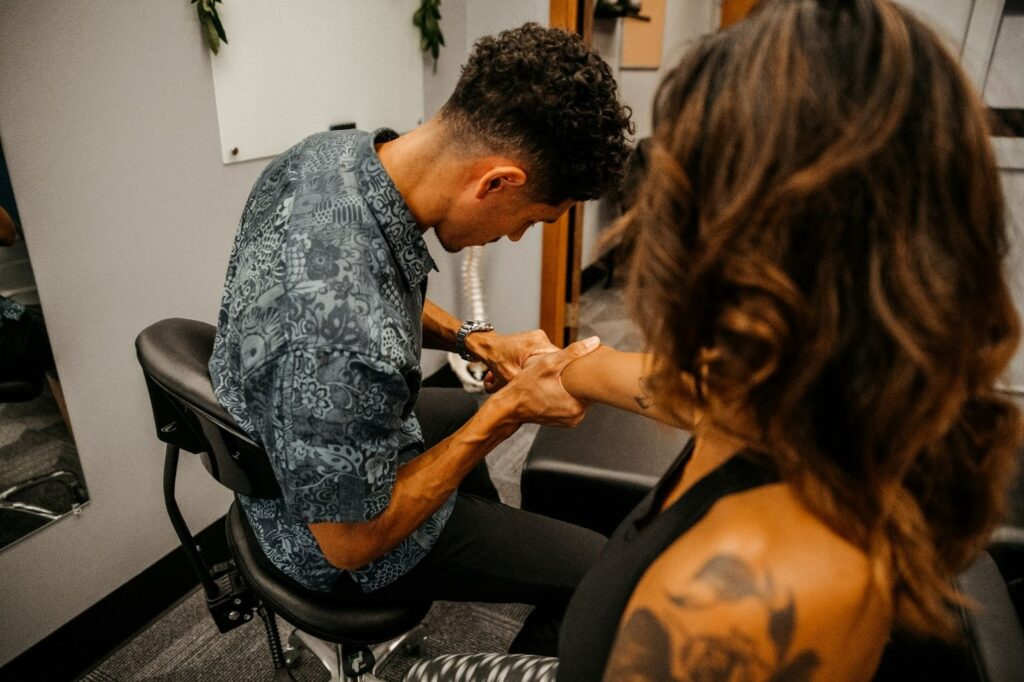

If you're experiencing lower back pain, you're not alone, and it's completely understandable to seek quick relief. As a local chiropractor, I want to help you discover effective solutions within just 30 days. Our approach focuses on understanding the underlying causes of your pain, so we can tailor a series of strategies specifically for you.
Chiropractic care emphasizes natural healing, and by incorporating targeted exercises and professional adjustments, you can experience significant improvement in your discomfort. Many patients find relief through a combination of spinal adjustments, lifestyle changes, and specific stretches that strengthen the muscles supporting your spine.
But where do you begin? It's essential to first assess your individual situation and understand the best methods for your unique needs. Together, we can explore various chiropractic techniques, ergonomic advice, and holistic practices that will help transform your experience with back pain. Remember, lasting relief is possible, and I'm here to guide you every step of the way.
Understanding Lower Back Pain
Lower back pain is an incredibly common issue, affecting about 80% of individuals at some point in their lives. As a chiropractor, I see many patients who may not fully understand the causes or implications of this condition, and I believe it's essential to shed light on it for better management and relief.
Firstly, lower back pain can manifest in various ways, from a persistent dull ache to sharp, debilitating discomfort. This pain can significantly hinder your ability to carry out everyday tasks, whether it's lifting groceries, bending down to tie your shoes, or sitting comfortably at your desk. The experience of pain can differ greatly from one person to another, which can make it even more perplexing.
It's also crucial to recognize the emotional toll that lower back pain can take. Many of my patients express feelings of frustration, anxiety, or sadness due to their chronic discomfort. This emotional aspect is just as important as the physical symptoms, as pain can deeply impact your mood and overall quality of life. Acknowledging these feelings is a vital step toward healing and recovery.
Understanding the root causes of lower back pain is key. It can arise from a range of factors, including muscle strain, poor posture, or overexertion. This complexity underscores the importance of a holistic approach to treatment. Chiropractic care focuses on addressing these underlying issues through natural healing techniques, helping to restore function and alleviate pain.
As your chiropractor, my goal is to guide you through the process of understanding your lower back pain and to empower you with knowledge and care strategies that can lead to lasting relief. Together, we can work towards a healthier, pain-free lifestyle.
Common Causes of Discomfort
As your local chiropractor, I want to help you understand the various factors that can lead to discomfort in your lower back, as recognizing these causes is essential for effective treatment and healing. One of the most common issues we see is poor posture. Many of us spend our days slumped at our desks or hunched over our phones, which can take a toll on our spines. Over time, these habits can create strain on your muscles and ligaments, resulting in pain and discomfort.
Another significant contributor to lower back pain is muscle strain. If you've ever lifted a heavy object incorrectly or made sudden, awkward movements, you may have experienced a sprain. It's not uncommon to feel stiff or sore after a workout or physical activity, which could be a sign that you've overexerted your back muscles.
Age is also a crucial factor when it comes to lower back discomfort. As we get older, our spines naturally undergo wear and tear. Conditions such as degenerative disc disease or arthritis can develop, leading to persistent pain that can affect your daily activities.
Additionally, a sedentary lifestyle can play a major role in lower back issues. Sitting for prolonged periods can weaken your core muscles, which are vital for providing support to your lower back. If you're not engaging in regular exercise, this weakness can easily lead to discomfort during everyday tasks.
Lastly, it's important to consider the impact of stress on your physical well-being. Stress can manifest in the body, tightening your muscles and causing tension in your back. If you often find yourself feeling anxious or overwhelmed, addressing these stressors may help alleviate some of your discomfort.
At our chiropractic practice, we focus on providing natural healing solutions tailored to your specific needs. If you're experiencing any of these issues, don't hesitate to reach out for a consultation. Together, we can work towards restoring your comfort and enhancing your overall well-being.
Importance of a Diagnosis
As your local chiropractor, I want to emphasize how crucial it's to obtain an accurate diagnosis for your lower back pain. Understanding the underlying cause is key to effectively addressing your discomfort. Without this clarity, you may find yourself investing time and energy into treatments that yield little to no results.
A comprehensive diagnosis not only enables you to select the most appropriate treatment approach but also provides reassurance about what you're experiencing.
Here's why seeking a diagnosis should be your initial step:
- Identifies Underlying Issues: Whether your pain stems from a muscle strain, herniated disc, or a more complex issue, accurately identifying the source will shape your treatment plan. Chiropractic care focuses on correcting misalignments in the spine and other areas, which can be pivotal in your recovery.
- Prevents Further Injury: Understanding your specific condition helps you steer clear of activities that might aggravate your situation, ensuring your safety as you work towards healing. This proactive approach is essential in chiropractic care, as we aim to restore function and prevent recurrence.
- Personalizes Treatment: Each diagnosis allows us to customize your treatment plan, focusing on not just alleviating symptoms but addressing the root cause of your pain. In our practice, we utilize a variety of techniques, including spinal adjustments, to promote natural healing and restore balance to your body.
I encourage you to visit a healthcare professional, such as myself, who specializes in chiropractic care.
We'll perform a thorough examination and may recommend imaging tests, like X-rays, to gain a clearer understanding of your spine and surrounding tissues. This detailed assessment will empower you with the knowledge to better comprehend your pain and equip you to embark on your path to recovery through natural healing methods.
Your health is our priority, and together, we can work towards restoring your well-being.
Stretching Exercises for Relief
As a local chiropractor, I understand that many of you may not be familiar with how chiropractic care can aid in relieving lower back pain. One of the essential components of your recovery process is incorporating stretching exercises into your routine. Stretching can significantly alleviate tension, enhance flexibility, and promote blood circulation to the affected areas of your back.
To start, I recommend beginning with gentle stretches that focus on your lower back and the surrounding muscles. One effective stretch you can try is the knee-to-chest stretch. Here's how to do it: Lie on your back with your knees bent and feet flat on the floor. Gradually pull one knee towards your chest and hold this position for 15-30 seconds. Then switch legs and repeat a few times. This stretch is excellent for relieving tightness and encouraging proper spinal alignment.
Another beneficial stretch is the cat-cow stretch. Get into a position on all fours with your hands under your shoulders and your knees beneath your hips. Inhale as you arch your back and gaze upwards (this is the cow position), and then exhale as you round your back and tuck your chin towards your chest (this is the cat position). Cycle through this movement for about a minute; it effectively mobilizes your spine and stretches your back muscles.
Don't forget about the seated forward bend, which can also be very helpful. Sit with your legs extended in front of you and gently bend forward at the hips, reaching towards your toes. Hold this position for 15-30 seconds. This stretch primarily targets your hamstrings while also benefiting your lower back.
Incorporating these stretches into your daily routine can be a game-changer for alleviating lower back pain. I encourage you to aim for at least three stretching sessions a week. However, it's crucial to listen to your body; if something doesn't feel right, don't push through the pain.
With regular practice, you can expect to find relief and experience improved mobility. Remember, chiropractic care and natural healing work hand in hand, and I'm here to guide you on your journey to better health.
Strengthening Core Muscles
As a local chiropractor dedicated to your well-being, I want to emphasize the importance of strengthening your core muscles for effectively managing lower back pain. A robust core provides essential support for your spine, helping to alleviate pressure that can lead to discomfort.
When your core is strong, it stabilizes your entire body during movement, which not only reduces the risk of injury but also enhances your overall posture.
Incorporating specific exercises into your routine can significantly benefit your core strength. Here are a few that I recommend:
- Planks: Start by holding a plank position for 20-30 seconds. Focus on engaging your entire core during this exercise. As you build strength, gradually increase the duration to challenge yourself further.
- Bridges: Lie on your back with your knees bent. Lift your hips toward the ceiling while squeezing your glutes. Hold this position for a few seconds before lowering back down to the ground.
- Supermans: Lie face down with your arms extended in front of you. Simultaneously raise your arms and legs off the ground, engaging your core. Hold for a few seconds, then lower back down.
I recommend aiming to perform these exercises at least three times a week. Consistency is crucial, and as you progress, consider increasing the number of repetitions or even adding weights for additional resistance.
By prioritizing core strength, you'll not only work towards alleviating your lower back pain but also enhance your overall strength and stability.
Always listen to your body, and if you're unsure or have any medical concerns, please consult with a healthcare professional before starting any new exercise program.
With dedication and the right approach, you can pave the way for a healthier, pain-free back. Remember, as your chiropractor, I'm here to support you on your journey to better health and natural healing.
Proper Posture Techniques
As a local chiropractor committed to helping you achieve optimal health, I want to emphasize the importance of proper posture techniques in preventing and alleviating lower back pain. Maintaining a neutral spine position is crucial; it allows for even distribution of your body weight, which significantly reduces strain on your back muscles.
To get started, focus on aligning your ears, shoulders, and hips in a straight line, whether you're sitting, standing, or walking. This alignment is vital for keeping your spine in its natural curves, which is essential for overall spinal health.
When you sit, it's important to choose a chair that provides adequate support for your lower back. Your feet should rest flat on the ground, with your knees positioned slightly lower than your hips. If your chair lacks the necessary support, consider using a small cushion or a lumbar roll to enhance comfort.
Remember to keep your shoulders relaxed and refrain from hunching over your desk or screen, as this can lead to further discomfort.
If you're standing, aim to distribute your weight evenly across both feet. Engaging your core muscles can offer additional support for your spine. Avoid locking your knees or leaning forward, as these habits can place undue strain on your lower back.
Instead, try shifting your weight from one foot to the other or using a footrest to maintain better balance.
Lastly, when lifting objects, always bend your knees and keep the item close to your body. This technique not only minimizes the load on your lower back but also helps reduce the risk of injury.
By incorporating these posture techniques into your daily routine, you can alleviate existing pain and prevent future discomfort.
Consistency is key! I encourage you to practice these habits daily to strengthen your posture and protect your back.
As you become more aware of your body mechanics, you'll find that natural healing and chiropractic care work hand in hand to enhance your overall well-being.
Ergonomic Workspace Adjustments
As a local chiropractor, I want to share some important tips to help alleviate lower back pain, particularly through ergonomic adjustments to your workspace.
First and foremost, it's crucial to set your chair height correctly; your feet should rest flat on the floor to provide proper support for your spine.
Next, make sure your monitor is positioned at eye level. This simple adjustment can prevent unnecessary strain on your neck and upper back.
Additionally, organizing your desk is essential—keep frequently used items within easy reach to avoid any bending or twisting that could lead to discomfort.
Implementing these changes can significantly enhance your comfort and overall well-being while you work.
Chair Height Adjustment
As a local chiropractor, I want to emphasize the importance of finding the right chair height for your workspace. This simple adjustment can significantly enhance your comfort and support your lower back, which is crucial for maintaining good overall health.
When your chair is at the appropriate height, it encourages proper posture and reduces unnecessary strain on your spine.
To ensure your chair is set up correctly, consider these key points:
- Feet Flat on the Ground: It's vital that your feet are resting flat on the floor or on a footrest. This position promotes better blood circulation and alleviates pressure on your lower back, helping you avoid discomfort during long hours of sitting.
- Knees at Hip Level: Your knees should be positioned at or slightly below hip level. This alignment is essential for supporting the natural curve of your spine and preventing slouching, which can lead to chronic pain and discomfort over time.
- Monitor and Desk Setup: While we won't delve into monitor positioning in this discussion, it's important to note that your chair height should harmonize with your desk height. This ensures that your arms are comfortably positioned while typing, further reducing strain on your neck and shoulders.
By making these adjustments, you can create a more ergonomic workspace that supports your health and well-being.
Monitor Positioning Tips
As a local chiropractor, I want to share some essential tips for positioning your monitor to enhance your workspace ergonomics and promote better spinal health. Proper monitor placement can significantly reduce strain on your neck and eyes, ultimately benefiting your overall well-being.
First and foremost, it's crucial to position the top of your monitor screen at or just below eye level. This alignment keeps your neck in a neutral position, helping to prevent discomfort and strain during those long hours of work. Ideally, you shouldn't be looking up or down excessively, as this can lead to misalignment and tension in your spine.
Next, I recommend keeping your monitor about an arm's length away from your eyes. This distance is important for minimizing eye strain and ensuring that your vision remains clear. If you notice yourself squinting or leaning forward, it's a clear sign that you need to adjust your monitor further back.
Another valuable tip is to tilt your monitor slightly backward, between 10 to 20 degrees. This angle allows for a more comfortable viewing experience without requiring you to crane your neck, which can lead to discomfort over time.
Additionally, ensure that the brightness of your monitor matches the ambient light in your workspace. This simple adjustment can significantly reduce glare and enhance visibility, further protecting your eyes.
Finally, if your desk is too low, consider investing in a monitor riser. This small adjustment can make a world of difference in your posture and comfort levels while working. By implementing these strategies, you'll create a more ergonomic workspace that not only supports your body but also helps alleviate potential issues like lower back pain.
Desk Setup Guidelines
As a local chiropractor, I want to emphasize the importance of creating an ergonomic desk setup for your overall health and well-being. An optimal workspace can significantly alleviate lower back pain and enhance your productivity.
To start, it's crucial that your chair provides proper support for your lower back. Adjust its height so that your feet rest flat on the floor, and your knees are at or slightly below hip level. This positioning helps maintain the natural curve of your spine.
In addition, the placement of your keyboard and mouse is vital. They should be positioned so that your elbows are close to your body and form a 90-degree angle. This alignment helps reduce strain on your shoulders and back, which can lead to discomfort over time.
Here are some practical tips to improve your desk setup:
- Chair Selection: Opt for a chair that offers lumbar support, which promotes a healthy spinal curve and reduces the risk of back pain.
- Desk Height: Ensure your desk is at a height that allows your forearms to remain parallel to the ground while typing, keeping your wrists in a neutral position.
- Regular Breaks: It's essential to stand or stretch every 30 minutes. This practice not only relieves tension but also boosts circulation, contributing to better overall health.
By implementing these ergonomic principles, you can create a workspace that supports your body and enhances your comfort while working.
Heat Therapy Benefits
As a local chiropractor, I want to emphasize how heat therapy can be a transformative approach to managing lower back pain.
Many of my patients are often unaware of the powerful benefits that heat therapy offers. Not only does it provide soothing relief for sore muscles, but it also enhances blood circulation and promotes relaxation in the muscles.
Incorporating heat therapy into your pain management routine can be highly effective, especially when combined with chiropractic care.
By understanding how heat can alleviate discomfort and support your overall healing process, you can take an active role in your wellness journey.
I'm here to guide you through these natural healing methods and help you find the relief you deserve.
Pain Relief Mechanism
As a local chiropractor, I often emphasize the importance of natural healing methods, and one of the most effective techniques for alleviating lower back pain is heat therapy. For centuries, individuals have relied on the warmth of heat therapy to help ease discomfort and promote recovery. The heat works wonders by relaxing tight muscles, reducing stiffness, and enhancing overall comfort.
When you apply heat to your back, it penetrates deep into your tissues, fostering relaxation and soothing any discomfort you may be experiencing.
Let me share with you some key benefits of heat therapy for pain relief:
- Muscle Relaxation: Heat therapy is excellent for easing muscle tension. This relaxation allows you to move more freely and reduces the pain you may feel during everyday activities.
- Pain Reduction: The comforting warmth of heat can diminish the pain signals sent to your brain, providing you with immediate relief from discomfort.
- Improved Flexibility: By increasing the elasticity of your tissues, heat therapy makes it easier for you to engage in your daily activities without the burden of pain.
Whether you choose to use a heating pad, a hot water bottle, or a warm towel, incorporating heat therapy into your routine can significantly enhance your quality of life.
Just remember to keep an eye on the temperature to prevent any burns. By regularly utilizing heat therapy, you can take an active role in managing your lower back pain, allowing you to lead a more active and fulfilling life.
If you have any questions about how to best incorporate heat therapy into your wellness routine, feel free to ask during your visit!
Improved Blood Circulation
As a chiropractor, I want to share with you one of the powerful benefits of heat therapy in your recovery journey from lower back pain: enhancing blood circulation. When you apply heat to your lower back, it causes blood vessels to expand, which significantly increases blood flow to the affected area. This improved circulation is crucial because it helps deliver essential nutrients and oxygen to your muscles, promoting faster healing and recovery.
With increased blood flow, your body can more effectively flush out waste products, such as lactic acid. This helps to reduce inflammation and swelling that often accompany lower back pain.
Furthermore, improved circulation keeps your tissues well-hydrated, which is essential for maintaining elasticity and preventing stiffness in your muscles and joints.
You may find that using heat therapy not only alleviates your pain but also improves your overall mobility. Whether you choose a heating pad, a warm towel, or a soothing warm bath, the warmth penetrates deep into your muscles, making it easier for you to move around comfortably.
Incorporating heat therapy into your daily routine can be a simple yet effective strategy to enhance blood circulation and support your journey toward a pain-free back.
Just remember to use heat safely—limit the duration of application to avoid burns, and always listen to your body. If you have any questions or need guidance on how to best incorporate heat therapy into your recovery plan, don't hesitate to ask during your next visit!
Muscle Relaxation Benefits
As a local chiropractor, I want to share with you the numerous benefits of muscle relaxation, particularly through the use of heat therapy. Many patients aren't aware of how effective this simple technique can be for alleviating discomfort in the lower back.
When you apply heat, it not only increases blood circulation but also promotes muscle relaxation, which can be incredibly valuable if you're experiencing chronic pain or muscle tension.
Here are some important benefits of using heat therapy for muscle relaxation that you might find helpful:
- Reduced Muscle Spasms: One of the main advantages of heat application is its ability to ease muscle spasms. By relaxing the muscles, heat can help you move more freely and with less pain.
- Improved Flexibility: When your muscles are relaxed, you may discover an improvement in your flexibility. This is crucial for maintaining a healthy range of motion in your back and overall mobility.
- Enhanced Recovery: If you've just engaged in physical activity, applying heat afterward can accelerate your muscle recovery. This allows you to bounce back more quickly from any strains or sprains you might've incurred.
Integrating heat therapy into your self-care routine can transform how you manage lower back pain.
Whether you choose to use a heating pad, indulge in a warm bath, or wrap yourself in a hot towel, the warmth penetrates deeply into your muscles, providing comfort and relief.
Cold Therapy Applications
As a local chiropractor, I want to share with you the benefits of cold therapy for managing lower back pain. Many individuals find that applying cold to the affected area can be one of the most effective ways to alleviate discomfort. Cold therapy works by reducing inflammation, numbing sharp pain, and promoting healing in the tissues.
You can use various cold sources such as ice packs, gel packs, or even a bag of frozen vegetables. To apply cold therapy safely and effectively, start by wrapping your cold source in a thin towel. This step is crucial, as it protects your skin from frostbite.
Apply the cold pack to your lower back for approximately 15 to 20 minutes at a time. It's beneficial to repeat this several times a day, particularly after any activity that may worsen your pain. Just remember to give your skin a break between applications to avoid irritation.
Incorporating gentle stretching or light movement after the initial cold application can enhance circulation and improve flexibility, which are essential for your recovery. However, it's important to avoid using cold therapy immediately before engaging in physical activity, as it may temporarily stiffen your muscles and joints.
If you find that your pain persists, I encourage you to reach out for a consultation. As a chiropractor, I can provide guidance on the appropriate use of cold therapy and suggest other natural treatment options tailored to your specific needs.
While cold therapy can offer immediate relief, it's just one component of a comprehensive approach to managing lower back pain. By staying consistent with your care, you may notice significant improvements over time.
Over-the-Counter Pain Relief
As a local chiropractor, I often see patients struggling with lower back pain, and I want to share some insights into how over-the-counter (OTC) pain relief medications can complement your natural healing journey.
While chiropractic care focuses on addressing the root causes of pain through spinal adjustments and holistic methods, understanding your options for pain management can help you feel more comfortable as you work toward recovery.
Here are some OTC pain relief options you might find helpful:
- Nonsteroidal Anti-Inflammatory Drugs (NSAIDs): Medications like ibuprofen and naproxen can reduce inflammation and relieve pain. They're particularly useful if your discomfort stems from muscle strain or inflammation, which is common in cases of back pain.
- Acetaminophen: This is another pain reliever that can help alleviate discomfort without the anti-inflammatory effects of NSAIDs. If you have a sensitive stomach or can't tolerate NSAIDs, acetaminophen might be a better option for you.
- Topical Pain Relievers: I often recommend topical treatments such as creams or patches that contain ingredients like menthol or capsaicin. These can provide localized relief when applied directly to the affected area, helping you manage pain without the systemic side effects associated with oral medications.
Before incorporating any OTC medication into your routine, it's wise to consult with a healthcare provider or your chiropractor, especially if you have existing health concerns or are taking other medications.
Always follow the recommended dosages and be aware of potential side effects.
Using OTC pain relief in conjunction with chiropractic care can be an effective strategy to regain control over your lower back pain and enhance your overall quality of life.
Physical Therapy Options
As a local chiropractor, I want to share how chiropractic care can be an invaluable part of your journey to recover from lower back pain. When you visit our practice, I'll conduct a thorough assessment of your condition and develop a customized treatment plan tailored specifically to your needs. This personalized approach focuses on addressing the underlying causes of your pain rather than merely masking the symptoms.
One of the primary techniques I use is spinal manipulation, which involves gentle adjustments to align the spine and relieve tension in your lower back. This method can enhance mobility and alleviate discomfort, allowing you to move more freely.
Additionally, I incorporate specific exercises into your treatment plan that strengthen your core muscles, improve flexibility, and promote proper posture—key factors for achieving long-term relief.
I also utilize various therapeutic modalities, such as heat and cold therapy, to reduce inflammation and ease pain. These treatments can help you feel more comfortable, making it easier for you to engage in your exercise program.
I believe in educating my patients on proper body mechanics and ergonomics, which can empower you to prevent future injuries and maintain a healthy spine.
Consistency is crucial for your recovery. By attending regular chiropractic sessions and adhering to the at-home exercises I provide, you'll significantly enhance your chances of success.
As you progress in your healing journey, I'll continuously adapt your treatment plan to ensure you're challenged appropriately without worsening your pain.
Together, we can work towards restoring your health and achieving a pain-free life.
Chiropractic Care Benefits
As a local chiropractor dedicated to helping our community, I want to share the transformative benefits of chiropractic care, especially for those struggling with lower back pain. Chiropractic care is centered around diagnosing and treating musculoskeletal disorders, with a primary focus on the spine.
By choosing to explore chiropractic care, you're not just addressing your pain; you're embracing a holistic approach to your overall health and well-being.
Here are some key benefits you can anticipate from chiropractic care:
- Pain Relief: Through spinal adjustments and manipulations, we can alleviate your pain and enhance your mobility, allowing you to reclaim the quality of life you deserve.
- Improved Posture: Regular chiropractic adjustments can correct misalignments in your spine, leading to better posture and reducing unnecessary strain on your lower back.
- Enhanced Functionality: Chiropractic care can significantly improve the range of motion in your joints, making daily tasks not only easier but also more comfortable.
Beyond physical relief, many of our patients report feeling more relaxed and less stressed after their sessions. This holistic approach addresses not just the physical symptoms but also nurtures mental well-being.
With consistent chiropractic care, you may find yourself better prepared to manage and prevent future episodes of lower back pain.
I encourage you to consider scheduling an appointment with us. Experience the advantages of chiropractic care firsthand, and take the first step towards a pain-free back. Your journey to better health could be just one visit away!
Acupuncture for Pain Management
If you're seeking effective methods for managing lower back pain, I encourage you to consider the benefits of chiropractic care. This holistic approach focuses on the relationship between your body's structure—primarily the spine—and its function, emphasizing the body's innate ability to heal itself.
Chiropractic adjustments involve gentle manipulation of the spine and other joints to restore proper alignment, which can alleviate pain and improve overall function. Many of my patients report significant relief from discomfort after just a few visits, as we work together to address the underlying causes of their pain rather than merely masking the symptoms.
Research supports that chiropractic care can help reduce inflammation, enhance circulation, and promote the body's natural healing processes. By targeting misalignments in the spine and other areas, I can help you address the root causes of your lower back pain, leading to more effective and lasting relief.
During your first visit, I'll conduct a thorough evaluation of your condition, which may include asking about your medical history, lifestyle, and the intensity of your pain. This personalized approach ensures that your treatment plan is tailored to your specific needs.
While some patients may feel a slight sensation during adjustments, most experience immediate relief and improved comfort afterward. Chiropractic sessions typically last around 30 to 60 minutes.
While some individuals notice improvements after just one adjustment, a series of treatments is often recommended to achieve the best results. You may also find that your sleep improves, stress levels decrease, and your overall well-being enhances as we work together.
Incorporating chiropractic care into your pain management routine offers a natural and holistic path to healing. If you're ready to explore this alternative therapy, I invite you to schedule a consultation with me to discuss your options and begin your journey toward relief.
Massage Therapy Techniques
As a local chiropractor, I want to introduce you to the incredible benefits of massage therapy as a natural approach to managing lower back pain. This holistic practice not only targets tight muscles but also enhances circulation, contributing to a greater sense of comfort and mobility.
Whether you're struggling with chronic pain or simply feeling the effects of daily stress, integrating massage techniques into your wellness routine can lead to significant improvements in your overall health.
Here are some effective massage techniques that I often recommend to my patients:
- Swedish Massage: This method employs long, flowing strokes that promote relaxation and improve blood circulation. It's a fantastic option for alleviating tension in the lower back, making it easier for you to function throughout your day.
- Deep Tissue Massage: By concentrating on the deeper layers of muscle and connective tissue, this technique helps to release chronic pain and muscle knots. While it may be a bit more intense, many of my patients find it extremely beneficial for achieving long-term relief from pain.
- Trigger Point Therapy: This targeted approach involves applying pressure to specific points in your muscles that are responsible for pain. By addressing these trigger points, we can help you relieve discomfort in your lower back effectively.
When you come in for a session, I encourage you to communicate openly about your pain levels and any specific concerns you may have. This dialogue allows me to tailor the treatment to your unique needs, ensuring that you reap the maximum benefits from each visit.
Regular massage therapy sessions can be a key component in managing your pain and enhancing your quality of life, allowing you to return to activities you love.
Incorporating massage therapy into your self-care routine can be transformative for your lower back health. Don't hesitate to explore this natural healing modality—it's an excellent way to invest in your well-being!
Yoga for Lower Back Pain
As a local chiropractor, I want to share with you the benefits of yoga as a natural approach to alleviating lower back pain. Yoga is a holistic practice that can enhance your flexibility, strength, and overall mindfulness, which are crucial for maintaining a healthy spine.
When you engage in yoga, you participate in a variety of poses specifically designed to stretch and strengthen the muscles in your back. This can significantly help in reducing tension and improving your posture—an important factor, as poor posture often contributes to lower back pain.
I recommend starting with gentle poses such as Child's Pose or Cat-Cow. These foundational stretches are excellent for releasing tightness and promoting better spinal alignment. As you become more comfortable, you can incorporate poses like Downward-Facing Dog or Sphinx Pose. Not only do these poses provide a great stretch for your back, but they also help build strength in your core and legs, which in turn supports your lower back.
Mindfulness is another key element to integrate into your yoga practice. Focus on your breathing as you transition through each pose; this connection can help you cultivate a sense of relaxation and manage pain more effectively by reducing stress levels.
For optimal results, aim to practice yoga at least three times a week. You don't have to dedicate hours to it; even short sessions of 15-20 minutes can yield positive outcomes. It's vital to listen to your body and avoid positions that cause discomfort.
Finally, consider attending a yoga class or following online tutorials that specifically address lower back pain relief. Professional guidance ensures that you perform the poses safely and correctly, enhancing the benefits of your practice.
Pilates for Core Stability
As a local chiropractor, I want to share with you the benefits of Pilates for enhancing core stability, which is vital for a healthy back and optimal body function. Many people are unaware that a strong core can significantly support spinal health.
Pilates focuses on controlled movements and proper alignment, which can strengthen the muscles surrounding your spine. By engaging your core during each exercise, Pilates promotes better posture and helps reduce the risk of injury.
If you're experiencing lower back pain, incorporating Pilates into your routine can be incredibly beneficial. Here are some important aspects to consider:
- Focused Breathing: In Pilates, breath control is essential. This practice helps you connect with your body and improves oxygen flow to your muscles, which is crucial for healing and recovery.
- Core Engagement: Each movement in Pilates specifically targets your abdominal muscles, back, and pelvic floor. This creates a solid foundation that supports your entire body, which is essential for maintaining spinal alignment.
- Flexibility and Strength: Pilates not only builds core strength but also enhances flexibility. This combination allows for a greater range of motion and helps alleviate stiffness, particularly in the lower back.
To get started, I recommend seeking out a certified Pilates instructor or exploring online classes that suit your skill level.
Begin with foundational exercises and gradually increase the intensity as your core stability improves. Consistency is key in this practice—aim to engage with Pilates a few times a week. You may notice significant improvements in your lower back pain, overall strength, and well-being.
By prioritizing core stability through Pilates, you're taking a proactive step toward a healthier, pain-free life.
Mindfulness and Meditation
As a local chiropractor, I want to share how incorporating mindfulness and meditation into your daily life can significantly improve your overall well-being, particularly if you're experiencing lower back pain. These practices help you develop a greater awareness of your body and its sensations, enabling you to identify tension and discomfort more effectively.
By focusing on your breath and staying present, you can alleviate stress, which is often a major contributor to chronic pain. Start by dedicating just a few minutes each day to mindfulness or meditation. Choose a quiet area where you can sit comfortably. Close your eyes, take a few deep breaths, and allow your body to relax.
While you breathe, pay close attention to any areas of tension in your lower back. Acknowledge these sensations without judgment; simply observe them as they are. You might also consider guided meditation tailored specifically for pain relief. There are numerous apps and online resources that offer sessions focusing on mindfulness techniques to help manage discomfort.
These guided practices can teach you how to visualize pain dissipating and foster a sense of calm. As you become more acquainted with mindfulness and meditation, you may find that your perception of pain changes. Instead of viewing it as something overwhelming, you'll begin to see it as part of your body's messaging system.
This shift can empower you to take control of your pain, making each day more manageable. By embracing these techniques, you're giving yourself the opportunity to enhance your healing journey naturally. Remember, chiropractic care works best when combined with practices like mindfulness and meditation, so consider integrating them into your routine for optimal results.
Importance of Hydration
As a local chiropractor, I want to emphasize the importance of staying properly hydrated, especially for those of you dealing with lower back pain. Hydration is crucial for your overall health, and it plays a significant role in how your body functions, particularly when it comes to alleviating discomfort in your lower back.
When you maintain adequate hydration, your muscles and joints stay lubricated, which can help prevent stiffness and promote better mobility.
Let me explain why hydration is so important for your lower back:
- Supports Disc Health: The spinal discs in your back require sufficient water to maintain their height and cushioning abilities. When you're well-hydrated, these discs can absorb shock effectively, which reduces the risk of injury and strain.
- Reduces Muscle Tension: Dehydration can lead to muscle cramps and spasms, which may exacerbate lower back pain. By ensuring you drink enough water, you can help your muscles stay relaxed and function smoothly, providing you with relief.
- Enhances Circulation: Proper hydration boosts blood flow, allowing oxygen and nutrients to reach your muscles and tissues more efficiently. This improved circulation can aid in recovery and help reduce pain associated with lower back issues.
To maintain optimal hydration, it's advisable to drink at least eight glasses of water a day—more if you're active or live in a warmer climate.
Be mindful that beverages like caffeine and alcohol can contribute to dehydration, so it's important to balance those out with additional water intake.
By prioritizing hydration, you're not just taking a proactive step towards alleviating lower back pain, but you're also enhancing your overall health and well-being.
Nutritional Support for Healing
As a local chiropractor, I want to emphasize that your nutrition is a vital component of your healing journey, especially when dealing with lower back pain.
The foods you choose to include in your diet can significantly impact your recovery process. By focusing on anti-inflammatory foods, you can help alleviate pain and support your body's natural healing mechanisms.
Additionally, it's crucial to stay hydrated; proper hydration plays a key role in facilitating recovery and maintaining overall health.
Anti-Inflammatory Foods
As a local chiropractor, I want to emphasize the importance of nutrition in managing lower back pain. One effective way to support your body and alleviate discomfort is by incorporating a variety of anti-inflammatory foods into your diet. Inflammation can be a significant contributor to pain, and choosing the right foods can play a crucial role in your healing process.
Here are some anti-inflammatory foods that I recommend considering:
- Fatty Fish: Including options like salmon, mackerel, and sardines in your meals can be beneficial. These fish are high in omega-3 fatty acids, which are known to help reduce inflammation in the body.
- Berries: Fruits such as blueberries, strawberries, and blackberries aren't only delicious but also rich in antioxidants and vitamins that combat inflammation. Incorporating these can add a sweet touch to your diet while supporting your health.
- Leafy Greens: Vegetables like spinach, kale, and collard greens are powerhouses of nutrients and antioxidants that can help diminish inflammation. They're easy to add to salads, smoothies, or as side dishes.
By making these foods a regular part of your meals, you can nourish your body and enhance its ability to respond to pain.
I encourage you to experiment with different recipes or simply add a serving of these anti-inflammatory options to your daily routine. Remember, consistency is key for long-term benefits.
When combined with other healthy lifestyle choices, such as regular chiropractic care and physical activity, these dietary changes can significantly enhance your chances of finding relief from lower back pain.
Hydration and Recovery
As a local chiropractor, I want to emphasize the importance of hydration in your recovery from lower back pain. While many people focus on anti-inflammatory foods, they often overlook how crucial water is for healing. Staying well-hydrated helps maintain the elasticity of your spinal discs, which can reduce your risk of injury and promote faster recovery.
When you're dehydrated, your body has a harder time transporting nutrients, and this can prolong your discomfort and delay healing.
I recommend aiming for at least eight 8-ounce glasses of water each day. However, it's important to adjust this based on your activity level and the climate you live in. If you're physically active or in a warmer environment, you may need to increase your intake.
You can also enhance your hydration by incorporating water-rich foods like cucumbers, watermelon, and oranges into your diet.
If you find yourself sweating a lot, consider adding electrolyte-rich drinks to your routine. These can help restore balance and ensure your muscles function properly. Just be mindful that caffeine and alcohol can lead to dehydration, so it's best to limit those.
Creating a hydration routine can significantly aid your recovery. Try carrying a reusable water bottle with you, setting reminders to drink water, or making it a habit to have a glass of water before each meal.
By prioritizing hydration, you're not just quenching your thirst; you're giving your body the essential support it needs to recover effectively from lower back pain.
Weight Management Strategies
As a local chiropractor, I want to emphasize how managing your weight can play a significant role in alleviating lower back pain. Carrying excess weight can put additional strain on your spine, potentially worsening discomfort and limiting your mobility. By adopting effective weight management strategies, you can reduce this burden and enhance your overall well-being.
Here are some practical approaches to help you achieve and maintain a healthy weight:
- Balanced Diet: Prioritize whole foods such as fresh fruits, vibrant vegetables, lean proteins, and whole grains. These nutrient-rich foods not only nourish your body but also help you feel fuller for longer, which can minimize the urge to overeat.
- Regular Exercise: It's important to engage in both cardiovascular and strength training exercises. I recommend aiming for at least 150 minutes of moderate activity each week. This not only helps burn calories but also strengthens the muscles that support your back, contributing to better spinal health.
- Mindful Eating: Being conscious of your hunger signals and eating slowly can be incredibly beneficial. This practice helps prevent overeating and allows you to savor your meals, leading to a more enjoyable dining experience.
As you begin to implement these strategies, it's essential to set realistic and achievable goals for yourself.
Focus on gradual weight loss rather than extreme changes that may not be sustainable over time. Even a modest reduction in weight can lead to significant improvements in your lower back pain.
Consistency is key, and I encourage you to seek support from healthcare professionals, including nutritionists and, of course, chiropractors like myself.
Sleep Position Adjustments
As a local chiropractor, I want to emphasize how your sleep position can significantly affect your lower back pain.
It's essential to find the right sleeping position, adjust your pillow placement, and ensure your mattress has the appropriate level of firmness.
These adjustments can truly transform your sleep quality and help you wake up feeling refreshed and free from pain.
Let's discuss how making these changes can support your overall spinal health and contribute to your natural healing journey.
Ideal Sleep Positions
As a chiropractor dedicated to helping my patients find relief from lower back pain, I want to emphasize how important your sleep position can be for your overall spinal health. Choosing the right position can significantly influence how well you rest and how much discomfort you experience.
Here are some ideal sleep positions to consider:
- Side sleeping: Curling up on your side can be a great way to alleviate pressure on your lower back. I recommend placing a pillow between your knees. This simple adjustment helps maintain the natural alignment of your spine and can provide substantial relief.
- Back sleeping: If you find yourself more comfortable on your back, using a small pillow under your knees can be beneficial. This technique supports the natural curvature of your spine, reducing strain and promoting a healthier posture while you sleep.
- Fetal position: This position is particularly helpful for those dealing with a herniated disc. By drawing your knees toward your chest, you create more space in your spine, which can ease pain and discomfort.
I advise against sleeping on your stomach, as this position can twist your neck and exacerbate back pain.
It's worth experimenting with these positions to identify which one feels the most comfortable for you. Small adjustments to your sleep posture can significantly enhance your comfort and contribute to a deeper, more restorative sleep, ultimately supporting your journey toward lower back pain relief.
Pillow Placement Techniques
As a chiropractor, I want to emphasize the importance of both your sleep position and pillow placement for maintaining a healthy spine. Proper alignment during sleep can significantly impact your overall well-being, and using pillows strategically can enhance your comfort.
For those who sleep on their backs, I recommend placing one pillow under your head and another under your knees. This combination helps to support the natural curve of your spine, which can alleviate pressure on your lower back. It's a simple adjustment, but it can make a world of difference in how you feel upon waking.
If you're a side sleeper, a thicker pillow between your head and shoulders is key to keeping your spine aligned. Additionally, consider placing a softer pillow between your knees. This technique prevents your top leg from pulling your spine out of alignment, effectively reducing strain on your lower back.
For those who prefer to sleep on their stomachs, using a very thin pillow or even no pillow at all can be beneficial. This helps maintain a neutral position for both your neck and spine. Furthermore, placing a pillow under your pelvis can help relieve lower back pressure, promoting a healthier sleep posture.
I encourage you to experiment with these pillow placements to discover what feels best for you. Proper positioning can enhance your sleep quality and play a vital role in managing lower back pain.
Mattress Firmness Importance
As a chiropractor, I want to emphasize the significance of choosing the right mattress firmness for promoting optimal sleep posture and spinal alignment.
Your sleep position is crucial in determining how well your mattress supports your body, and understanding this can greatly influence your overall comfort and pain levels.
Let's break it down based on common sleep positions:
- Side Sleepers: If you tend to sleep on your side, a medium-soft mattress is often ideal. This firmness level provides the necessary cushioning for your shoulders and hips, which helps alleviate pressure points and can reduce discomfort.
- Back Sleepers: For those who sleep on their backs, a medium-firm mattress is generally the best choice. It supports the natural curve of your spine while also offering enough cushioning to keep you comfortable throughout the night.
- Stomach Sleepers: If you prefer sleeping on your stomach, a firmer mattress is essential. It helps prevent your lower back from sinking too deeply, which can lead to pain and discomfort over time.
I encourage you to test out different mattresses in-store or take advantage of sleep trials to find the right balance for your body.
The ultimate goal is to support your spine while maintaining proper alignment. Investing in the correct firmness not only enhances your sleep quality but can also help alleviate lower back pain in the long run.
Prioritize your mattress choice, as it plays a significant role in your overall health and the quality of your sleep.
Avoiding Prolonged Sitting
As a local chiropractor, I often see patients who are unaware of the significant impact prolonged sitting can have on their lower back health. Many people experience discomfort and pain due to extended periods of sitting, whether at a desk, during long commutes, or while binge-watching their favorite shows.
It's crucial to understand how this habit can lead to spine compression and weakened muscles, ultimately resulting in pain. To help alleviate the strain on your lower back, I recommend taking proactive steps to limit your sitting time. One effective strategy is to set a timer to remind yourself to stand up and stretch every 30 minutes. This simple practice can help maintain the natural curve of your spine and improve blood circulation, both of which are vital for your overall well-being.
When you do sit, it's important to ensure that your chair provides adequate support for your lower back. An ergonomic chair with lumbar support can make a significant difference. Remember to keep your feet flat on the ground and your knees at a right angle to promote better posture.
If possible, consider incorporating a standing desk into your workspace. This allows you to alternate between standing and sitting, which can reduce the pressure on your lower back and encourage movement throughout the day. If a standing desk isn't an option, you can still make adjustments to your current setup. Position your screen at eye level and your keyboard at a comfortable height to avoid slouching, which can lead to further discomfort.
Lastly, I can't stress enough the importance of good posture. Sitting up straight with your shoulders relaxed and your back aligned can significantly reduce strain on your lower back. By making these small adjustments and being mindful of your habits, you can take important steps towards preventing lower back pain and fostering a healthier, more active lifestyle.
As your chiropractor, I'm here to support you on your journey to better spinal health. Let's work together to create a plan that incorporates these practices into your daily routine for lasting relief and well-being.
Incorporating Movement Breaks
As a local chiropractor, I want to share with you an important practice that can significantly enhance your well-being: taking regular movement breaks.
Many of us spend countless hours sitting, whether at work or home, which can lead to stiffness and discomfort in our backs. This prolonged sitting can cause your back muscles to become tense and fatigued, resulting in pain and decreased mobility.
By integrating short movement breaks into your daily routine, you can help keep your body flexible, reduce tension, and improve your overall health.
I recommend standing up and moving around every 30 to 60 minutes. Use these breaks to stretch, walk, or perform some gentle exercises. Not only will this ease the strain on your lower back, but it can also enhance your productivity and mental clarity.
Here are a few simple ideas for your movement breaks:
- Stretch: Focus on areas that often become tight, such as your lower back, hamstrings, and hip flexors. Even basic stretches can relieve tightness and increase your flexibility.
- Walk: Take a brisk stroll around your office or home. Just a few minutes of walking can improve blood circulation and refresh your mind.
- Strengthen: Consider incorporating bodyweight exercises like squats or lunges during your breaks. These movements engage your core muscles and promote better posture, which is vital for spinal health.
By making these small adjustments to your routine, you can help alleviate discomfort and support your body's natural healing processes.
Lifestyle Changes for Prevention
As a local chiropractor, I want to share some valuable insights on preventing lower back pain through simple lifestyle changes that can make a big difference in your daily life.
One of the first steps you can take is to set up an ergonomic workstation. This means arranging your desk, chair, and computer screen in a way that promotes good posture and reduces strain on your back.
In addition, incorporating a regular stretching routine into your day can be incredibly beneficial. Gentle stretches help maintain flexibility and reduce tension in your muscles, which can significantly lower your risk of discomfort.
Lastly, I encourage you to embrace an active lifestyle. Engaging in regular physical activity not only strengthens your back but also contributes to your overall well-being.
Ergonomic Workstation Setup
As your local chiropractor, I want to share how creating an ergonomic workstation can significantly reduce your risk of lower back pain and promote overall health.
When you set up your work environment with comfort and proper posture in mind, you not only enhance your productivity but also protect your body from unnecessary strain.
Here are some essential adjustments to consider for your workspace:
- Chair Height: It's crucial to adjust your chair so that your feet rest flat on the floor, and your knees are at a 90-degree angle. This position helps maintain the natural curve of your spine, which is vital for preventing discomfort and pain.
- Monitor Position: Your monitor should be set at eye level and about an arm's length away from you. This positioning prevents you from leaning forward or straining your neck, both of which can lead to tension and discomfort in your back.
- Keyboard and Mouse Placement: Ensure your keyboard and mouse are close enough that you can use them comfortably without stretching. Keeping your elbows close to your body, ideally at a 90-degree angle, helps maintain proper alignment and reduces strain on your shoulders and back.
By making these adjustments, you can create a healthier workspace that supports your body's needs.
Remember, a well-designed workstation isn't just about comfort; it's about protecting your spine and enhancing your overall well-being.
If you have any questions about how to set up your workstation or how chiropractic care can help you, feel free to reach out!
Regular Stretching Routine
Incorporating a regular stretching routine into your daily life is a simple yet effective way to reduce the risk of lower back pain and enhance your overall mobility. As a chiropractor, I often emphasize the importance of maintaining a healthy spine, and stretching plays a crucial role in improving flexibility, which is essential for spinal health.
By dedicating just a few minutes each day to stretch your lower back, hamstrings, and hip flexors, you can alleviate tension and promote better circulation in these areas.
I recommend starting with some basic stretches that you can easily do at home or even during breaks at work. Simple exercises like the cat-cow stretch, child's pose, and seated forward bend are great options. As you practice these stretches, remember to focus on your breathing and hold each position for about 15-30 seconds.
It's also important to listen to your body—if any stretch feels painful, ease back and adjust your position.
Consistency is key when it comes to stretching, so I encourage you to aim for at least five sessions each week. To help make stretching a habit, consider incorporating it into your morning routine or practicing it right before bed.
Over time, you'll likely notice improved flexibility and a reduction in discomfort in your lower back.
Remember, a little effort can lead to significant gains in your overall well-being. By making stretching an essential part of your lifestyle, you're taking a proactive step towards preventing pain and promoting natural healing.
If you have any questions about specific stretches or how they relate to your chiropractic care, feel free to ask during your next visit!
Active Lifestyle Choices
As a local chiropractor, I want to share how embracing an active lifestyle can significantly reduce your risk of developing lower back pain and enhance your overall health.
By incorporating regular physical activity into your daily routine, you can strengthen your core muscles, improve your flexibility, and promote better posture—all essential components for maintaining a healthy back.
Here are some practical choices to help you make an active lifestyle a reality:
- Take regular breaks: If your job requires you to sit for long periods, I recommend standing up and stretching every 30 minutes. This simple practice can help relieve tension in your back and prevent discomfort.
- Engage in low-impact exercises: Activities such as swimming, cycling, or walking are excellent ways to boost your fitness levels without placing undue stress on your back. These exercises can enhance your cardiovascular health while being gentle on your spine.
- Consider strength training: Building muscle strength, particularly in your abdomen and lower back, is crucial for providing the support and stability your spine needs. Strength training can be a valuable addition to your routine to help prevent injuries and alleviate pain.
By adopting these habits, you can take proactive steps toward a healthier back and a more active lifestyle.
If you have any questions about how chiropractic care can complement your efforts, feel free to ask!
Alternative Therapies Overview
As a local chiropractor, I want to share with you the benefits of exploring alternative therapies for managing lower back pain. These holistic healing methods not only focus on physical relief but also consider the emotional aspects of pain, offering a well-rounded approach to your overall well-being.
Chiropractic care is one of the most effective options available. In our practice, we utilize spinal adjustments to improve alignment, which can significantly reduce pain. Regular visits can help alleviate tension and enhance your mobility, allowing you to engage in your daily activities with greater ease.
Another beneficial therapy is massage therapy. Through targeted muscle manipulation, it provides relief from tightness and promotes relaxation, which can be particularly helpful in reducing stress that often accompanies chronic pain.
Acupuncture is another avenue worth considering. Rooted in traditional Chinese medicine, this technique involves inserting thin needles at specific points in the body. Many of my patients have reported substantial pain relief and improved function after just a few sessions.
In addition to these therapies, incorporating practices like yoga and Pilates can be invaluable. These exercises strengthen your core muscles and improve flexibility, which are key factors in preventing future pain episodes.
I also encourage you to explore herbal remedies and supplements as part of your healing journey. It's essential to consult with a healthcare professional to identify which options are suitable for you, especially to avoid any interactions with medications you may be taking.
Lastly, don't overlook the power of mindfulness practices. Techniques such as meditation and deep breathing can help manage the psychological components of chronic pain, providing you with tools to cope more effectively.
Finding the right combination of these alternative therapies may take time, but many of my patients have discovered that they significantly enhance their quality of life. I invite you to consider incorporating one or more of these options into your routine to help manage your lower back pain and promote holistic healing.
Tracking Your Progress
Tracking your progress in managing lower back pain is crucial, especially when exploring chiropractic care and natural healing methods. By closely monitoring your symptoms, the effectiveness of treatments, and your daily activities, you'll gain valuable insights that can enhance your healing journey and improve your overall well-being.
I recommend starting a pain diary to document your daily experiences. Record the intensity of your pain, any activities that trigger or relieve it, and the various treatments you're using, including chiropractic adjustments. This information will help you spot patterns and understand which approaches resonate best with your body.
Here are some key aspects to focus on when tracking your progress:
- Symptom Journal: Keep a detailed log of your pain levels, their duration, and any changes you notice over time. This will help us identify trends and inform our treatment decisions.
- Treatment Logs: Document the therapies you've tried, from chiropractic adjustments to exercises, medications, and alternative treatments. Evaluate how effective each has been in alleviating your symptoms.
- Activity Tracking: Monitor your daily physical activities, including any adjustments you make to your routine. Understanding which movements aggravate your pain can help us tailor a more effective treatment plan specifically for you.
Setting Realistic Goals
As your chiropractor, I want to help you understand the importance of setting realistic goals on your journey to recovery from lower back pain. Healing takes time, and it's crucial to remember that you won't see results overnight. Start by identifying your short-term objectives, such as reducing pain, improving mobility, or being able to participate in daily activities more comfortably.
To make these goals attainable, break them down into smaller, manageable steps. For instance, if your aim is to walk for 30 minutes without experiencing pain, begin with just 5 or 10 minutes. As your body starts to respond positively to treatment and your pain decreases, you can gradually extend the time you walk.
Celebrating these small milestones is vital, as it can boost your motivation and provide a sense of accomplishment.
Flexibility is also key in your goal-setting process. Life is unpredictable, and sometimes, your body may not cooperate as you'd hoped. If you face a setback—like a flare-up of pain or fatigue—don't view it as a failure. Instead, take the opportunity to reassess and adjust your goals according to your current condition.
Lastly, be patient with yourself. Healing isn't a straight path; it has its ups and downs. Surround yourself with supportive friends or family who understand what you're going through.
Seeking Professional Help
As a local chiropractor, I understand that many people may not be familiar with the benefits of chiropractic care, especially when it comes to addressing persistent lower back pain.
If you're experiencing ongoing discomfort, I encourage you to seek professional help—this could be a pivotal step in your recovery journey.
Chiropractic care focuses on natural healing and the proper alignment of the spine, which can significantly alleviate pain and improve your overall mobility.
We tailor our treatment options to meet your specific needs, utilizing techniques that promote healing without the use of invasive procedures or medications.
Exploring chiropractic resources can lead you to the relief you deserve.
Together, we can work towards restoring your health and enhancing your quality of life.
Don't hesitate to reach out and learn more about how chiropractic care can help you on your path to recovery.
Types of Specialists
If you're experiencing lower back pain, I want to emphasize how important it's to seek help from the right specialists, particularly when it comes to natural healing methods.
As a local chiropractor, I believe that understanding chiropractic care can significantly enhance your recovery journey. Here's how my expertise, along with that of other specialists, can support you in managing and alleviating your pain:
- Chiropractors: My primary focus is on spinal alignment. By adjusting your spine, I can help relieve pressure on nerves, which not only improves your mobility but also reduces pain. Chiropractic care is a natural approach that emphasizes the body's ability to heal itself.
- Physical Therapists: While I work on alignment, physical therapists complement this by developing personalized exercise programs tailored to strengthen your back and enhance flexibility. Together, we can promote long-term healing and ensure that you regain your strength safely.
- Orthopedic Surgeons: In cases where structural issues are present, an orthopedic surgeon can evaluate your condition and explore surgical options if needed. However, I believe that many conditions can be addressed through chiropractic care first, allowing you to explore non-invasive treatments before considering surgery.
By understanding the roles of these specialists, you can make informed decisions about your health and healing.
I'm here to guide you through this process and help you discover the benefits of chiropractic care in alleviating your lower back pain.
Treatment Options Available
As a local chiropractor, I understand that exploring treatment options for lower back pain can be overwhelming, especially with so many approaches available. It's essential to start by consulting with a healthcare professional who can accurately assess your condition and guide you towards the best course of action.
In my practice, I often emphasize the importance of chiropractic care in recovery. Chiropractic adjustments focus on spinal alignment, which can significantly reduce discomfort and promote natural healing. By realigning your spine, we can help alleviate pressure on nerves, improve mobility, and support your body's innate ability to heal itself.
In addition to spinal adjustments, I work closely with patients to develop personalized treatment plans that may include exercises to strengthen the core and enhance flexibility. These tailored exercises can play a crucial role in your recovery and help prevent future issues.
For those experiencing severe pain, I can collaborate with your primary care physician to discuss the potential use of supportive measures like over-the-counter medications or muscle relaxants to manage discomfort during your healing journey.
If you're dealing with persistent pain, I encourage you to consider alternative therapies that can complement chiropractic care. Many patients find relief through acupuncture or massage therapy, which can further enhance relaxation and healing.
In the event that conservative treatments don't provide the relief you need, I'll work with you and your healthcare team to explore additional options, including referrals for injections or surgery if necessary.
Building a Support System
As a local chiropractor, I want to emphasize the importance of building a support system when it comes to effectively managing lower back pain. Navigating discomfort can be challenging, but having a network of understanding individuals can significantly ease your journey.
Here's how you can cultivate a strong support system:
– Communicate your needs: It's crucial to share your experiences with those around you. By expressing your pain and limitations, your family and friends can better understand how to assist you.
Whether you need help with daily tasks or simply someone to listen, open communication fosters a supportive environment that can accelerate your healing process.
– Connect with professionals: I encourage you to reach out to healthcare providers, including myself, as well as physical therapists and other specialists in holistic care.
We're here to provide guidance, insights, and tailored treatment plans that not only help manage your pain but also empower you with knowledge about natural healing methods.
– Join support groups: Consider participating in local or online support groups where you can connect with others who share similar experiences.
Engaging with individuals who understand your situation can offer emotional support and practical advice. These connections are invaluable, as they can motivate you to adhere to your treatment plans and remind you that you're not alone in this journey.
Building a solid support system is a vital step towards recovery and a healthier, pain-free life.
Let's work together to ensure you have the support you need on your path to wellness.
Staying Consistent With Solutions
As a chiropractor dedicated to helping you manage lower back pain, I want to emphasize the importance of having a strong support system, but even more crucial is your commitment to staying consistent with your treatment solutions. This consistency is where you'll see real progress in your healing journey.
When you engage in a routine that may include chiropractic adjustments, targeted exercises, or lifestyle adjustments, you're setting the stage for success. Remember, consistency doesn't mean you have to be perfect; it simply means making a regular effort to prioritize your health.
To start, I recommend creating a daily schedule that includes time for your chiropractic visits, exercises, or stretches. Treat these appointments just like any other important commitment. By establishing a routine, you'll begin to form healthy habits that make it easier to stick with your care plan over time.
Consider setting reminders on your phone or using a calendar to help keep you accountable.
Tracking your progress is also essential. I encourage you to keep a journal or use an app to log your activities and any variations in your pain levels. This practice not only keeps you motivated but also allows you to see what's working for you.
If you find that a particular approach isn't yielding the desired results, don't hesitate to discuss adjustments with me. Staying flexible in your methods enables us to find the best solutions tailored to your needs.
Additionally, maintaining communication with your support system is vital. Share your goals and achievements with family and friends; their encouragement can be a great source of motivation and accountability.
Remember, progress may take time, but every small step counts. By committing to your treatment solutions and being consistent, you're more likely to experience relief and enhance your quality of life.
Make your health a priority, and together, we can work towards the benefits you deserve.
Conclusion
As a local chiropractor, I want to share with you that in just 30 days, you can make significant strides in alleviating your lower back pain. Understanding the root causes of your discomfort is essential, and I encourage you to seek a proper diagnosis to identify any underlying issues.
Incorporating specific stretching and strengthening exercises into your daily routine can greatly benefit your recovery. These exercises can help improve your flexibility and support the muscles that stabilize your spine. Additionally, building a strong support system—whether through friends, family, or healthcare professionals—will keep you motivated and accountable on your healing journey.
Consistency is key. With dedication to your treatment plan and the right approach, you can not only find relief from your pain but also prevent future discomfort. I invite you to start today, and together we can work towards reclaiming your comfort and mobility through natural healing methods. Your path to a pain-free life begins here!