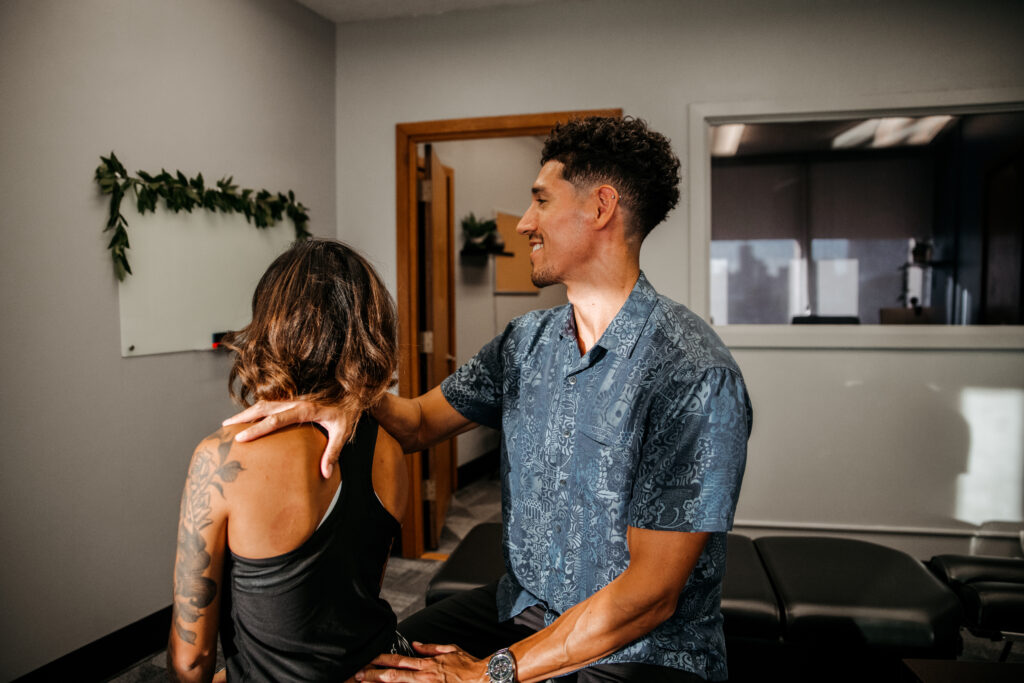

As a local chiropractor, I want to share with you how chiropractic adjustments can significantly enhance your mental well-being. Many people may not realize that by addressing physical discomfort, these adjustments can effectively reduce stress and anxiety levels, which in turn positively influences your emotional state. When your spine is properly aligned, it not only improves your physical health but also enhances mental clarity and focus.
As you consider the various ways chiropractic care can benefit your overall life, you might discover that certain techniques resonate with you more than others. I encourage you to explore these practices with an open mind and see how they can make a difference in your daily life. If you have any questions or would like to learn more about how chiropractic care can support your mental health, feel free to reach out!
Practice Mindfulness Daily
As a local chiropractor, I want to share how practicing mindfulness daily can significantly improve your overall mental and physical well-being. Mindfulness encourages you to concentrate on the present moment, which is essential for understanding your body and mind without judgment. This practice can help you become more aware of your emotional and physical sensations, allowing you to manage stress and anxiety more effectively, which can positively influence your spinal health and overall wellness.
To begin incorporating mindfulness into your routine, I recommend setting aside a few minutes each day. Find a quiet space where you can focus without distractions. Sit comfortably, close your eyes, and take a few deep breaths. As you inhale, pay attention to the air filling your lungs, and as you exhale, consciously release any tension or negative thoughts. This simple exercise helps ground you in the present and promotes relaxation, which is crucial for maintaining a healthy spine.
You can also practice mindfulness during your daily activities. Whether you're enjoying a meal, going for a walk, or even doing household chores, take the time to engage your senses fully. Notice the flavors of your food, the rhythm of your movement, or the sensation of water on your skin. By being fully present in these moments, you cultivate a sense of peace and appreciation, which can support your body's natural healing processes.
It's normal for your mind to wander during these mindfulness exercises. When that happens, simply acknowledge the distraction and gently redirect your focus back to your breath or the activity at hand.
Over time, engaging in daily mindfulness can create a buffer against the stresses of life, leading to more measured responses to challenges and a greater sense of control and well-being. I encourage you to embrace this journey of mindfulness, as it can profoundly transform not only your mental health but also your physical health, complementing the benefits of chiropractic care.
Establish a Consistent Routine
While it might be tempting to overlook your wellness practices on busy days, establishing a consistent routine is crucial for reaping the long-term benefits of chiropractic care and overall self-care. A structured routine not only helps prioritize your physical health but also supports your mental well-being amidst the chaos of daily life. By setting specific times for your wellness activities, including chiropractic adjustments, exercises, or mindfulness practices, you're more likely to stick with them, transforming these actions into healthy habits.
Begin by identifying key activities that contribute to your well-being, such as regular chiropractic visits, stretching, or engaging in light exercise. Choose a time of day that aligns with your schedule and make a commitment to it. Whether you prefer a session in the morning to start your day or an evening routine to unwind, consistency is vital. You'll discover that dedicating just a few minutes each day to these practices can significantly enhance your physical comfort, mental clarity, and emotional health.
To ensure your routine is effective, consider using reminders or establishing boundaries around your time. For instance, silence distractions like your phone or find a quiet space where you can focus on your wellness practices without interruptions. This dedicated time will help you feel more grounded and balanced, allowing you to better manage stress and discomfort.
Tracking your progress can also be beneficial. Keeping a journal about how you feel before and after your chiropractic appointments or wellness practices can provide valuable insights into their impact on your overall mood and stress levels.
Over time, you may notice that your routine not only enhances your physical well-being but also equips you to handle life's challenges with greater resilience. So, take that first step today—establish a routine that prioritizes your health and happiness through natural healing methods.
Limit Social Media Consumption
Social media can be a double-edged sword—while it offers a chance for connection, it often contributes to stress and anxiety. As a chiropractor, I see the impact of mental well-being on physical health every day. Many individuals come into my office seeking relief from tension or pain that's often exacerbated by the pressures of social media.
You may find yourself scrolling through feeds in search of inspiration or community, only to end up feeling drained by negativity and unrealistic comparisons. By limiting your social media consumption, you can greatly enhance not just your mental state, but also your overall physical health.
Start by setting boundaries around your social media use. Decide how many minutes or hours you want to dedicate to online interactions each day, and commit to it. Consider using apps that track your usage; this can provide clarity on how much time you spend scrolling. This awareness can motivate you to cut back, allowing your body and mind to relax more.
Reflect on the platforms you engage with. Are they uplifting, or do they leave you feeling depleted? Unfollow accounts that foster negativity or comparisons that lead to stress. Instead, curate your digital experience to include positive and inspiring content that resonates with your values. Surrounding yourself with positivity is crucial; it not only improves your mindset but can also alleviate tension in your body.
Additionally, designate specific times during the day for social media use instead of mindlessly checking your phone throughout the day. This intentional approach allows you to focus on other enriching activities, like pursuing hobbies or spending quality time with loved ones. These real-life interactions are essential for your mental and physical health.
Lastly, don't underestimate the power of face-to-face conversations. Nothing compares to the connection built through personal interactions. By consciously limiting your social media use, you'll free up both time and mental space for experiences that genuinely enrich your life, ultimately supporting your physical well-being and enhancing the benefits of chiropractic care.
Prioritize Quality Sleep
As a local chiropractor, I want to emphasize the importance of quality sleep for your mental well-being, which is a cornerstone of overall health.
Establishing good sleep hygiene practices is crucial in achieving restorative rest. By maintaining a consistent sleep schedule and incorporating relaxation techniques before bedtime, you can significantly enhance your sleep quality. This, in turn, can have a positive impact on your mental health.
Chiropractic care can also play a role in improving sleep. Misalignments in your spine can lead to discomfort and unrest, which may affect your ability to fall and stay asleep.
By addressing these issues through gentle adjustments and holistic approaches, we can work together to create an environment conducive to better sleep.
Let's discuss how these strategies and chiropractic care can support your journey to improved mental health and quality sleep.
Sleep Hygiene Practices
As a local chiropractor, I want to emphasize how prioritizing quality sleep is crucial for your mental well-being and overall health. One of the ways you can enhance your sleep hygiene practices is by establishing a calming bedtime routine. Consider incorporating activities such as reading, meditating, or enjoying a warm bath to help signal your body that it's time to wind down.
Creating a comfortable sleep environment is also key. Ensure your bedroom is dark, quiet, and cool. You might want to invest in blackout curtains, earplugs, or a white noise machine to minimize any disturbances. Additionally, pay attention to your mattress and pillows; they should provide adequate support to promote a restful night, which is vital for your body's recovery.
It's important to limit exposure to screens before bedtime as well. The blue light emitted from phones, tablets, and televisions can interfere with your body's ability to produce melatonin, the hormone that regulates sleep. I recommend turning off these devices at least an hour before you go to bed to improve your sleep quality.
Lastly, be mindful of your evening consumption. Heavy meals, caffeine, and alcohol close to bedtime can significantly disrupt your sleep cycle. By implementing these sleep hygiene practices, you can't only enhance your sleep but also support your overall health and well-being, leading to better mental clarity and emotional resilience.
Sleep Schedule Consistency
As a local chiropractor dedicated to promoting holistic health, I want to emphasize the importance of establishing a consistent sleep schedule for your overall well-being. When you maintain regular times for going to bed and waking up, you help to regulate your body's internal clock, which can enhance your mental clarity and physical health. This consistency allows you to fall asleep more easily and enjoy deeper, more restorative sleep.
It's recommended that adults aim for 7 to 9 hours of quality sleep each night. By creating a routine around your sleep, you can significantly improve your mood, sharpen your cognitive functions, and increase your energy levels.
On the other hand, lack of sleep can lead to irritability and heightened stress, negatively affecting your mental health and even your physical well-being.
Start by identifying the best time for you to wake up each day based on your commitments. From that point, work backward to establish a bedtime that provides you with adequate rest. Be cautious about oversleeping on weekends, as this can disrupt your natural rhythm and make it harder to stick to a consistent schedule.
Additionally, consider incorporating relaxing habits into your evening routine, such as winding down an hour before bed. This signals to your body that it's time to relax and prepare for sleep.
Although you may encounter challenges in maintaining a sleep schedule, striving for consistency will yield long-term benefits. Remember, prioritizing your sleep is an essential aspect of your overall health, and you'll likely notice significant improvements in your mental well-being as a result.
Relaxation Techniques Before Bed
As a local chiropractor, I often emphasize the importance of a calming bedtime routine for enhancing sleep quality, which is crucial for overall health and wellness. It's essential to signal to your body that it's time to rest, and there are several relaxation techniques you can incorporate into your nightly routine.
First, consider creating a tranquil environment by dimming the lights in your bedroom and turning off electronic devices at least an hour before you plan to sleep. Reducing blue light exposure from screens is vital, as it can interfere with your sleep hormones and disrupt your natural circadian rhythm.
Next, I recommend practicing deep breathing exercises. Take a moment to inhale slowly through your nose for a count of four, hold your breath for another count of four, and then exhale gently through your mouth for four counts. This technique not only helps to lower your heart rate but also promotes a deep sense of calm, which is important for your nervous system and overall health.
Incorporating gentle stretching or yoga into your evening routine can also be highly beneficial. Focus on slow, deliberate movements and deep stretches to release any tension accumulated throughout the day. These physical activities can help improve your spinal alignment and relax your muscles, preparing your body for restorative sleep.
Additionally, meditation or listening to calming music can further ease your mind. These practices can help reduce stress and anxiety, making it easier for you to transition into a restful state.
Lastly, I encourage you to keep a gratitude journal by your bedside. Taking a few minutes to write down positive thoughts from your day can shift your mindset and promote a sense of peace, making it easier for you to drift off into a restorative sleep.
Engage in Physical Activity
As a local chiropractor, I want to emphasize the importance of engaging in physical activity for your overall well-being. Not only does regular exercise significantly boost your mood and energy levels, but it also plays a crucial role in reducing stress and anxiety. This can make it much easier to navigate the challenges of daily life.
In addition to enhancing your mental health, staying active is key to improving your physical health. It promotes better posture, flexibility, and strength, all of which are vital for maintaining a healthy spine and optimal body function.
Regular movement also supports your cognitive function, ensuring that your mind remains sharp and focused.
Incorporating physical activity into your routine can complement chiropractic care by helping to align your body, relieve tension, and prevent future injuries. Together, we can work towards a healthier, more balanced lifestyle that benefits both your body and mind.
Boosts Mood Naturally
As a local chiropractor, I often see how movement can significantly impact our mood and overall well-being. When you're feeling down or lacking energy, one of the most effective remedies is to get your body moving. Physical activity triggers the release of endorphins—those wonderful hormones that help lift your spirits.
Whether it's a brisk walk, a lively dance class, or even a light jog, moving your body can be incredibly beneficial in combating feelings of sadness or lethargy. You don't need to dive into intense workouts to experience these benefits. Even gentle exercises like stretching or yoga can foster happiness and relaxation.
The important thing is to engage in activities you enjoy, as this will make it easier for you to maintain a regular routine. Moreover, exercising outdoors can further enhance these mood-boosting effects. Being in nature has a soothing quality that can elevate your sense of well-being.
So, I encourage you to take a leisurely stroll in the park or ride your bike around the neighborhood—just take a moment to breathe in the fresh air and connect with your surroundings! Incorporating movement into your daily life not only helps improve your mood but also supports your overall health, aligning perfectly with the principles of chiropractic care and natural healing.
Reduces Stress Levels
Stress can often find its way into our lives when we least expect it, but as a local chiropractor, I want to share with you one of the most effective ways to manage and reduce stress: physical activity. Not only does regular exercise enhance your physical health, but it also plays a crucial role in lowering stress levels.
Here's how movement can be beneficial:
- Releases Endorphins: When you engage in physical activities, your body releases endorphins, which are natural mood enhancers produced by your brain. These endorphins can help lift your spirits and serve as a natural pain reliever, contributing to an overall sense of well-being.
- Distracts Your Mind: Exercise provides a healthy outlet for distraction from daily stressors. Whether you prefer jogging, dancing, or practicing yoga, focusing on your movements allows your mind to break free from anxiety and tension, offering a refreshing mental reset.
- Enhances Sleep Quality: Regular physical activity can lead to improved sleep patterns. Quality sleep is essential for effective stress management, as it helps you tackle challenges with clarity and resilience.
Incorporating physical activity into your daily routine isn't solely about fitness; it's an essential strategy for managing and alleviating stress.
As your chiropractor, I encourage you to lace up your sneakers and get moving—your mind and body will greatly benefit from it!
Enhances Cognitive Function
As a local chiropractor, I want to share with you the incredible benefits of physical activity—not just for your body, but also for your mind. Many people associate exercise primarily with physical fitness, but I want to emphasize how it plays a vital role in enhancing cognitive function.
When you engage in regular exercise, you're not only reducing stress and improving your mood; you're also sharpening your mental capabilities. Studies have shown that aerobic activities, such as running or cycling, increase blood flow to the brain, leading to improved memory and enhanced thinking skills.
During physical activity, your body releases important chemicals like endorphins, dopamine, and serotonin. These neurotransmitters are crucial in elevating your mood and keeping your mind sharp. After a workout, many people experience heightened focus, increased creativity, and a greater ability to tackle challenges.
Incorporating physical activity into your daily routine doesn't need to be overwhelming. Simple actions, like taking a brisk walk or doing a quick workout, can lead to significant cognitive benefits. I encourage you to aim for at least 150 minutes of moderate-intensity exercise each week.
You'll likely notice improvements not only in your mental clarity but also in your overall sense of well-being. As you consider your health, remember that chiropractic care complements these benefits by ensuring that your spine and nervous system are functioning optimally.
Together, physical activity and chiropractic adjustments can lead to a healthier, sharper you!
Foster Meaningful Connections
In today's fast-paced world, fostering meaningful connections isn't only vital for your mental well-being but can also play a significant role in your overall health, including the benefits of chiropractic care. The relationships you cultivate with others can offer support, enhance your happiness, and help you navigate life's challenges.
Just as you invest time in your physical health, nurturing these connections can lead to profound improvements in your mental and emotional health.
Here are three ways to foster meaningful connections that can complement your journey towards better health:
1. Engage in Active Listening: When you're discussing wellness or health concerns with your friends or family, practice active listening. Pay attention to their thoughts and feelings about their health journeys. Showing genuine interest can strengthen your bond and foster an environment of trust.
This support network can encourage you to pursue chiropractic care and other natural healing methods together.
2. Participate in Shared Wellness Activities: Seek out common interests related to health and wellness with those around you. Whether it's joining a yoga class, going for a walk, or attending health workshops together, shared experiences can deepen your connections and promote a healthier lifestyle.
These activities not only bring you closer but can also enhance your understanding of how chiropractic care can benefit you.
3. Express Gratitude for Your Health Connections: Recognize and appreciate the role that your loved ones play in your wellness journey. Let them know how much their support means to you, especially as you explore chiropractic care and natural healing.
A simple thank-you or sharing your health successes can reinforce your relationships and motivate everyone to prioritize their health together.
Set Healthy Boundaries
As a local chiropractor, I want to emphasize the importance of establishing healthy boundaries not just in your personal life, but also in how you manage your health and well-being. Just as we set limits in our relationships, it's crucial to create boundaries for your physical and mental health. These boundaries help you recognize what feels good for your body and what doesn't, enabling you to maintain your overall wellness.
Begin by identifying areas where you might feel discomfort or stress related to your health. This might include work-related tension, physical strain from poor posture, or emotional stress from everyday life. Take a moment to reflect on what habits or behaviors are detrimental to your well-being and what practices can help you feel more balanced and valued.
Once you have a clear sense of these health-related boundaries, it's time to communicate your needs effectively. When discussing your health concerns with me or any healthcare provider, use "I" statements to express how you're feeling and what you require to heal and thrive. For instance, you might say, "I feel tension in my back after sitting for long periods," instead of "You need to help me with my back pain." This approach fosters a more collaborative relationship in your care.
Be prepared for some challenges as you prioritize your health. Not everyone will understand your new boundaries, especially if they involve changing long-standing habits. That's perfectly okay. Staying firm and consistent about your health needs is vital. If you find that certain activities or treatments aren't respecting your boundaries, speak up calmly and remind those involved of what you've communicated.
Remember, prioritizing your health is a form of self-care, and establishing healthy boundaries is an essential component of that. As you work to set and uphold these boundaries in your health journey, you may notice significant improvements in your physical well-being. You'll likely feel more empowered and in control, leading to healthier habits and a more balanced emotional state.
Together, we can create a pathway to better health that respects your individual needs and promotes healing.
Embrace Gratitude Practices
As you work towards setting healthy boundaries in your life, incorporating gratitude practices can significantly enhance your overall well-being, including your physical health.
As a chiropractor, I often emphasize the connection between mental and physical wellness. Gratitude has a remarkable ability to shift your focus from what you lack to what you already have, promoting a positive mindset that can greatly influence your mood and overall outlook on life.
Here are three effective ways to embrace gratitude in your daily routine, which can complement your journey toward better health:
- Keep a Gratitude Journal: Dedicate a few minutes each day to write down three things you're grateful for. This simple practice encourages you to focus on the positive experiences in your life, no matter how small they may seem. This mindset not only nurtures appreciation but can also reduce stress, which is vital for maintaining good spinal health.
- Express Thanks: Make it a habit to express gratitude to those around you. Whether it's through a heartfelt note, a genuine "thank you," or giving compliments, acknowledging others strengthens your relationships and boosts your happiness. A supportive social network can have a profound impact on your health and recovery, as emotional well-being is closely tied to physical healing.
- Practice Mindfulness: Incorporate mindfulness into your daily routine by taking moments to reflect on what you appreciate in your life. This could be during a walk, while enjoying your morning coffee, or even before bedtime.
Mindfulness encourages you to stay present and recognize the positives in your life, making gratitude a natural and ongoing practice. This awareness can help alleviate tension and promote relaxation, both of which are essential for optimal chiropractic care.
By integrating these gratitude practices, you not only enhance your mental well-being but also support your physical health in a holistic way.
Explore Creative Outlets
As a local chiropractor, I want to emphasize the importance of incorporating creative outlets into your wellness routine. Engaging in creative activities can serve as a powerful tool for expressing emotions and alleviating stress, which is essential for maintaining a healthy spine and overall well-being.
Whether it's painting, writing, or playing music, these activities allow you to channel your feelings into something tangible, providing a cathartic release. This process can help you navigate complex emotions that may contribute to physical tension in the body.
I encourage you to find a creative outlet that resonates with you. If you have an interest in visual arts, grab some paints or sketch with pencils. Remember, it's not about achieving perfection but rather allowing your imagination to flow freely.
For those who prefer writing, journaling can be a wonderful way to explore your thoughts, while poetry or storytelling can creatively convey your experiences. If music speaks to you, consider learning an instrument or composing your own songs—it's an excellent way to express what's in your heart.
Integrating creative activities into your daily routine doesn't have to be daunting. Setting aside just a few minutes each day for your chosen outlet can provide a mental break from daily stressors, which is crucial for your overall health.
You may find that these moments of creativity not only lift your mood but also enhance your physical well-being, helping to keep your spine in alignment and your body functioning optimally. Remember, holistic health is about nurturing both your mind and body, and creativity is a beautiful way to achieve that balance.
Seek Professional Support
When you're feeling overwhelmed, it's essential to consider all avenues of support, including chiropractic care.
Many people aren't aware that chiropractic treatment can't only help with physical aches and pains but also promote mental well-being. By aligning your spine and improving your nervous system function, chiropractic adjustments can enhance your overall health and help you process emotions more clearly.
In addition, I encourage you to explore wellness workshops and community gatherings that focus on natural healing and holistic health.
These spaces foster a sense of community and shared understanding, allowing you to connect with others on a similar journey.
Therapy for Mental Clarity
As a local chiropractor, I want to share how chiropractic care can play a vital role in achieving mental clarity. Many people may not realize that physical health and mental well-being are closely interconnected.
By addressing misalignments in the spine and promoting overall physical wellness, chiropractic care can create a solid foundation for improved mental clarity.
Here are three key ways chiropractic care can enhance your mental clarity:
- Restoring Balance: Chiropractic adjustments help correct spinal misalignments that may be affecting your nervous system. When your body is in alignment, it can better communicate with your brain, leading to clearer thoughts and improved decision-making.
- Reducing Stress: Regular chiropractic care can help alleviate physical tension and stress in your body. By reducing discomfort and promoting relaxation, you may find it easier to manage anxiety and focus on tasks, ultimately leading to a more clear-headed approach to life.
- Promoting Overall Wellness: Chiropractic care encourages a holistic approach to health. By supporting your body's natural healing processes, you can enhance your emotional and mental resilience.
This overall wellness fosters greater self-awareness and clarity in your thoughts and emotions.
Investing in your chiropractic care is an investment in your mental clarity. By prioritizing your physical health, you can empower yourself to tackle life's challenges with confidence and clarity.
Benefits of Support Groups
As a local chiropractor, I want to emphasize the incredible benefits of support groups, particularly for those exploring chiropractic care and natural healing. Joining a support group allows you to connect with others who are on similar wellness journeys. It creates a safe environment for you to express your feelings about your health challenges and share your experiences with alternative healing methods.
Being part of a community can significantly lessen feelings of isolation and loneliness that often accompany health struggles. Support groups not only provide emotional encouragement but also offer practical advice from individuals who've faced similar issues. You'll learn about various coping strategies, including those related to chiropractic care and holistic approaches, which may provide new insights into your own health concerns.
Additionally, sharing your personal story within the group can be a transformative experience. It reinforces your strength and resilience, reminding you that you have the power to take charge of your well-being. Support groups often have regular meetings, which can serve as consistent touchpoints for motivation and accountability in your journey toward better health.
Furthermore, being part of a support group fosters a sense of belonging and acceptance, helping you realize that you're not alone in your feelings. This sense of community can be a vital catalyst for healing.
If you're curious about how support groups can complement your chiropractic care or enhance your natural healing journey, I encourage you to seek out a group that aligns with your interests and needs.
Conclusion
As a local chiropractor, I want to share how incorporating chiropractic adjustments into your wellness routine can significantly enhance your mental well-being. Many people are not aware that these adjustments do more than just relieve physical discomfort; they can also contribute to a healthier mindset.
By practicing mindfulness and establishing daily routines, you can amplify the benefits of your chiropractic care. It's also important to engage in regular physical activity, as movement plays a key role in boosting your mood and overall mental health.
I encourage you to limit your time on social media, as constant exposure can lead to increased anxiety and stress. Prioritizing quality sleep is essential, too; restorative sleep helps your body and mind recover and rejuvenate.
Embracing gratitude can shift your focus towards the positive aspects of life, and exploring creative outlets can provide a therapeutic escape. Setting healthy boundaries in your personal and professional life is also crucial for maintaining mental clarity and balance.
Remember, seeking professional support when needed is a sign of strength, not weakness. Whether it's through chiropractic care or mental health resources, you don't have to navigate your journey alone. By integrating these strategies with your chiropractic adjustments, you can achieve a happier, healthier you, both physically and mentally.