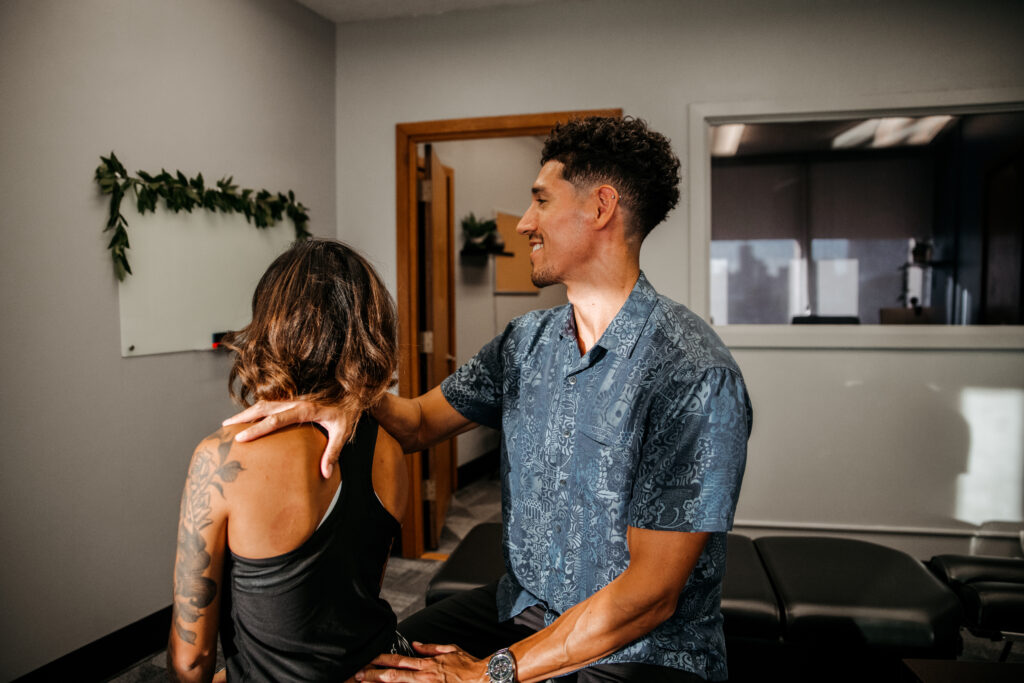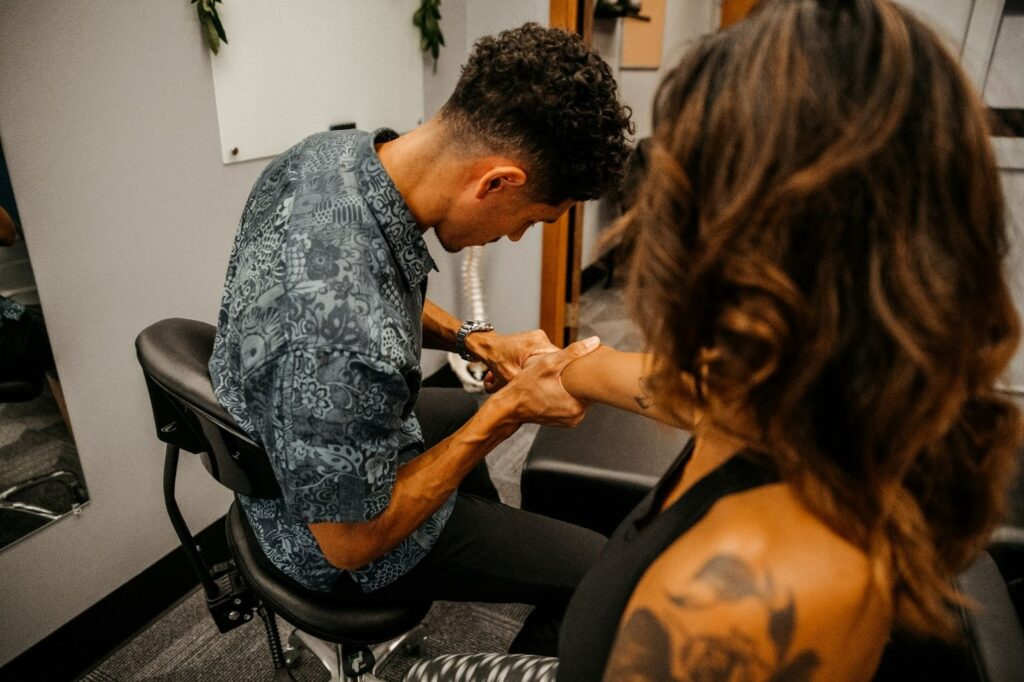

If you're struggling with chronic back pain, you might be seeking effective, non-invasive solutions that truly work. Approaches like physical therapy, acupuncture, and yoga can offer significant relief without the need for surgery or medication. These methods not only address pain but also focus on enhancing your overall mobility and well-being. However, the effectiveness of these solutions often hinges on how you integrate them into your daily routine. What if there are simple lifestyle tweaks you could make that could amplify these benefits? Let's explore what those might be.
Understanding Chronic Back Pain
Chronic back pain can feel like an unwelcome companion, affecting your daily life and overall well-being. It's more than just a physical issue; it can impact your mood, sleep patterns, and even your relationships. You might find yourself constantly adjusting your activities to avoid discomfort, leading to a cycle of frustration and limitation.
Understanding chronic back pain begins with recognizing its multifaceted nature. It can stem from various causes, such as injuries, degenerative conditions, or poor posture. You may experience aching, stiffness, or sharp pain, and these sensations can fluctuate in intensity. It's vital to pay attention to when and how your pain occurs, as this can help you identify triggers and patterns.
Your back is a complex structure composed of bones, muscles, ligaments, and nerves. Any disruption in this system can lead to discomfort. You might notice that certain movements or positions exacerbate your pain, highlighting the need for a tailored approach to managing your condition.
Additionally, chronic back pain often coexists with other health issues, such as anxiety or depression, making it imperative to address both your physical and mental health.
Ultimately, understanding chronic back pain is about recognizing its impact on your life and taking proactive steps to manage it. Awareness of your pain, its triggers, and its effects can empower you to seek effective solutions and reclaim a sense of normalcy in your daily activities.
Benefits of Physical Therapy
Physical therapy offers a valuable path to improving your back health and overall well-being. By engaging in a tailored physical therapy program, you can effectively alleviate pain and enhance mobility. A licensed physical therapist assesses your specific condition and creates a personalized treatment plan that targets your unique needs, ensuring you get the most out of each session.
One of the primary benefits of physical therapy is the focus on strengthening your core and back muscles. These muscles play an essential role in stabilizing your spine, which can greatly reduce the likelihood of future injuries. Through guided exercises, you'll gain strength and flexibility, enabling you to engage in daily activities without discomfort.
In addition, physical therapy improves your posture, which is often a contributing factor to chronic back pain. By learning proper body mechanics, you'll develop habits that protect your spine and promote long-term health.
Moreover, your therapist will teach you techniques for managing pain, including stretching, relaxation, and breathing exercises that can be practiced at home.
Another advantage is the emphasis on education. Your therapist helps you understand the underlying causes of your pain, empowering you to make informed decisions about your health. This knowledge fosters a proactive approach to your well-being, allowing you to take control of your recovery journey.
The Role of Acupuncture
If you're exploring non-invasive solutions for chronic back pain, acupuncture might be a beneficial option to contemplate. This ancient practice, rooted in traditional Chinese medicine, involves inserting thin needles into specific points on your body. These points correspond to pathways of energy, or "qi," which are believed to influence your overall health and well-being.
Research shows that acupuncture can help alleviate chronic back pain by promoting blood flow and reducing inflammation. When you undergo this treatment, your body releases endorphins—natural painkillers that can enhance your pain tolerance. You'll likely notice a decrease in discomfort following your sessions, making it easier to engage in daily activities.
It's essential to consult a licensed acupuncturist who understands your specific needs. They'll evaluate your condition, tailor the treatment to your symptoms, and guarantee a safe experience. Sessions typically last between 30 to 60 minutes, and while some people feel immediate relief, others may require multiple treatments to experience significant benefits.
Acupuncture can also help you manage stress, which often exacerbates back pain. As you relax during the treatment, you may find a sense of calm that further supports your recovery.
Incorporating acupuncture into your pain management plan could provide a holistic approach, addressing both the physical and emotional aspects of chronic back pain.
Incorporating Yoga Into Recovery
Yoga offers a versatile approach to recovery from back pain, integrating both movement and mindfulness. By practicing yoga, you can strengthen your muscles, improve flexibility, and enhance your posture—all vital elements for alleviating back pain. It's a low-impact form of exercise that allows you to listen to your body, adjusting poses to fit your comfort level.
Start by incorporating gentle stretches into your routine. Poses like Child's Pose and Cat-Cow can help ease tension and improve spinal alignment. As you progress, consider adding more dynamic poses, such as Downward Dog and Bridge, which can strengthen the core and back muscles.
These movements not only promote physical recovery but also help you develop body awareness, which is essential for preventing future injuries.
When practicing yoga, focus on your breath. Deep, intentional breathing can enhance relaxation and reduce stress, which often contributes to pain. Establishing a consistent practice, even for just a few minutes each day, can lead to significant improvements in your overall well-being.
You don't need to be an expert to start; even beginners can reap the benefits. Consider joining a local class or following online tutorials that cater to your skill level.
Mindfulness and Pain Management
Mindfulness techniques can play an essential role in managing chronic back pain. By focusing your attention on the present moment, you can learn to observe your pain without judgment or reaction. This practice helps you create a mental space between yourself and the discomfort, allowing you to respond rather than react impulsively.
One effective method is mindful breathing. When you focus on your breath, you can calm your nervous system and reduce stress, which often exacerbates pain. Try taking slow, deep breaths, letting your abdomen rise and fall naturally. As you breathe, visualize tension leaving your body with each exhale. This simple practice can help you regain control over how you experience pain.
Another technique is body scanning, where you mentally check in with each part of your body, starting from your toes and working up to your head. As you focus on each area, notice any sensations, including discomfort. Instead of pushing the pain away, acknowledge it. This awareness can lessen the emotional burden associated with chronic pain.
Finally, consider incorporating mindfulness meditation into your daily routine. Just a few minutes each day of focused attention can enhance your ability to manage pain. Research shows that those who practice mindfulness regularly often report lower pain levels and improved overall well-being.
Lifestyle Changes for Long-Term Relief
Making notable lifestyle changes can be vital for achieving long-term relief from chronic back pain. Your daily habits play an essential role in how your body feels.
First, consider your posture. Whether you're sitting at a desk or lifting objects, maintaining proper alignment can reduce strain on your back. Invest in ergonomic furniture and practice good lifting techniques.
Next, focus on your physical activity. Regular, low-impact exercises like walking, swimming, or yoga can strengthen your core and improve flexibility. Aim for at least 30 minutes of activity most days; this keeps your body strong and helps alleviate pain.
Don't forget to incorporate stretching to enhance your mobility.
Nutrition also greatly impacts your overall well-being. A balanced diet rich in anti-inflammatory foods, such as fruits, vegetables, and omega-3 fatty acids, can help manage pain. Staying hydrated is equally important, as dehydration can lead to muscle cramps and discomfort.
You should also prioritize sleep. Aim for quality rest, as inadequate sleep can exacerbate pain and hinder recovery. Create a bedtime routine and confirm your mattress and pillows support your spine properly.
Lastly, manage stress through mindfulness practices, hobbies, or social connections. High stress levels can tighten muscles, leading to increased pain.
Conclusion
Incorporating these proven non-invasive solutions can greatly improve your chronic back pain. By engaging in physical therapy, exploring acupuncture, and practicing yoga, you'll enhance your mobility and strength. Don't underestimate the power of mindfulness and lifestyle changes—proper posture, a balanced diet, and quality sleep are key. Remember, managing stress effectively is just as important. Embrace these strategies to reclaim your life and enjoy lasting relief from discomfort. You deserve to feel your best!