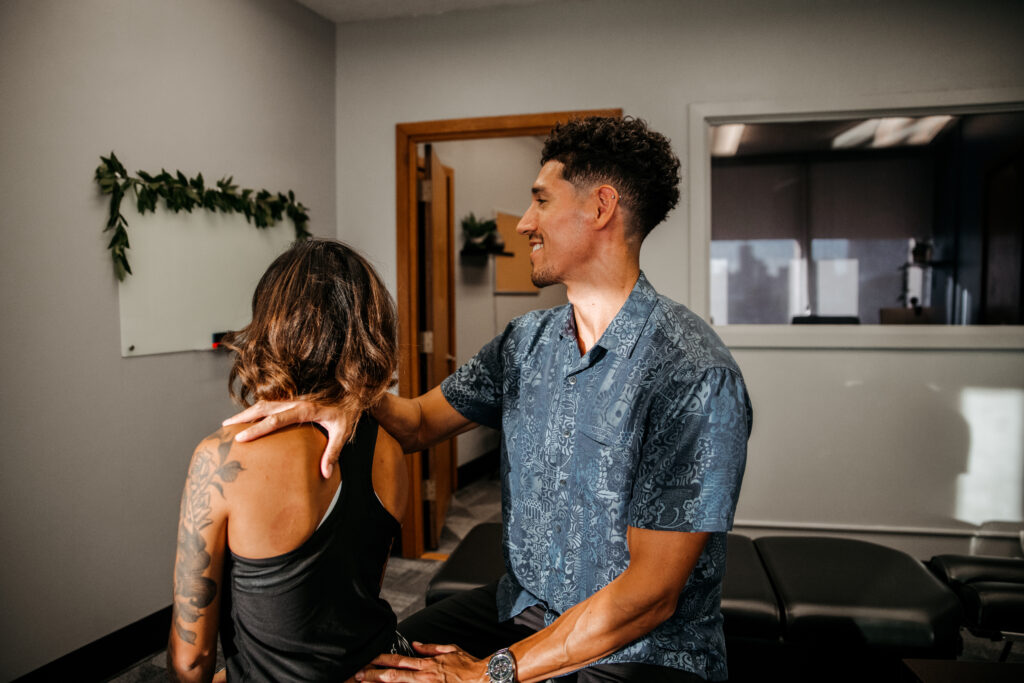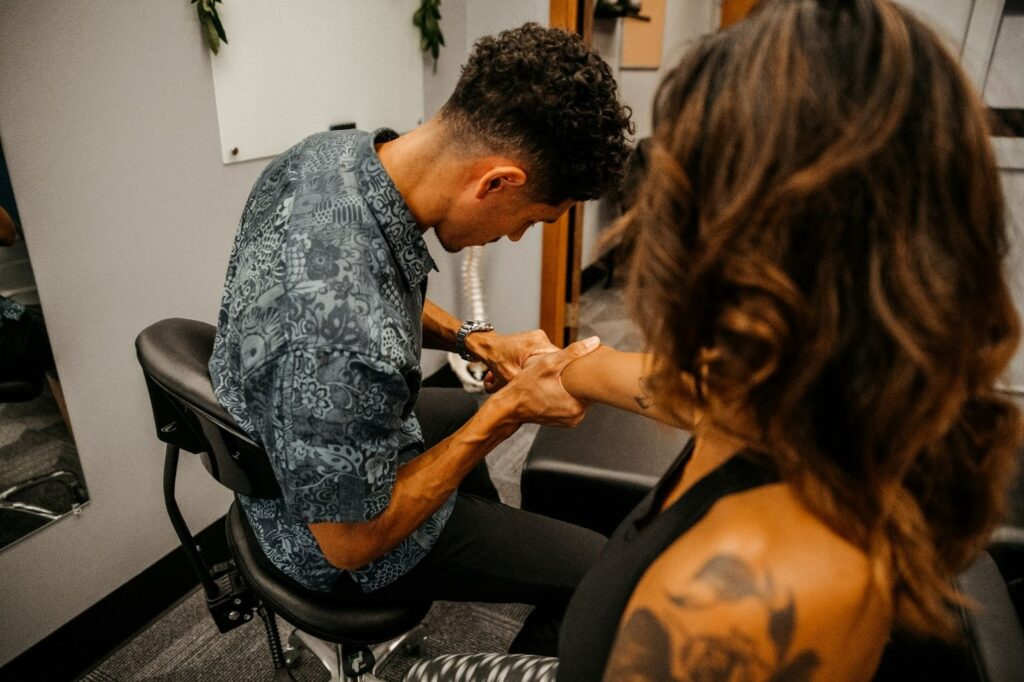

When it comes to managing back pain, you might find that a one-size-fits-all approach often misses the mark. Personalized plans can effectively target your unique pain triggers, incorporating everything from tailored exercises to lifestyle modifications that cater specifically to your needs. As you explore how these individualized strategies enhance your overall well-being, you'll uncover key elements that not only alleviate discomfort but also empower you to take control of your health. What you discover next may change the way you view pain management altogether.
Understanding Back Pain Causes
When it comes to back pain, many people wonder what might be causing their discomfort. You might be surprised to learn that back pain can stem from a variety of sources. One common culprit is poor posture. If you spend long hours slouching at a desk or hunching over your phone, you're likely putting extra strain on your back muscles and spine.
Another significant cause is muscle or ligament strain. Lifting heavy objects improperly or suddenly twisting your body can lead to sprains or strains that manifest as back pain. Additionally, conditions like herniated discs can occur, where the soft material between your vertebrae bulges out and presses on nearby nerves, causing discomfort.
In some cases, underlying medical conditions can contribute to back pain. Arthritis, for example, can lead to inflammation in the joints of your spine, while conditions like scoliosis can alter your spine's natural alignment.
Age also plays a role; as you get older, your spinal discs lose hydration and elasticity, which can lead to pain.
Furthermore, lifestyle factors such as obesity can increase the strain on your back, while lack of physical activity can weaken your core muscles, making it harder to support your spine.
Identifying the root cause of your back pain is essential for effective treatment. Understanding these factors can empower you to take the first steps toward relief and better back health.
Benefits of Personalized Plans
Finding the right approach to back pain often requires more than just a generic solution. Personalized plans cater specifically to your unique needs, making them notably more effective. By tailoring strategies to fit your individual situation, you're more likely to experience relief and regain control over your life.
One major benefit of personalized plans is that they address the root causes of your pain. Unlike one-size-fits-all treatments, a personalized approach takes into account your specific lifestyle, body mechanics, and any pre-existing conditions. This focus guarantees that the strategies you adopt target the exact issues contributing to your discomfort.
Additionally, personalized plans often incorporate a variety of treatments that suit your preferences and limitations. Whether it's a combination of physical therapy, exercise regimens, or alternative therapies, you can choose methods that resonate with you. This flexibility not only enhances your engagement but also raises your chances of sticking with the plan.
You'll also find that personalized plans allow for ongoing adjustments. As you progress or if your condition changes, your plan can evolve to meet your current needs. This adaptability guarantees that you're always on the best path to relief.
Finally, the emotional support you receive through a personalized plan can't be overstated. Working closely with healthcare professionals who understand your specific situation fosters a sense of partnership and accountability, empowering you to take charge of your back pain management.
With a personalized plan, you're not just another patient; you're an individual with a unique journey toward healing.
Assessing Individual Needs
Evaluating your individual needs is essential for creating an effective back pain management plan. Understanding the specifics of your situation helps you target the root causes of your discomfort and develop a strategy that suits you best.
To assess your needs, consider the following factors:
- Pain Intensity and Frequency: Take note of how often you experience back pain and the intensity level. Is it mild, moderate, or severe? Tracking this information can help you determine what types of interventions may be necessary.
- Activity Level: Reflect on your daily activities. Are you mostly sedentary, or do you engage in physical labor? Knowing your activity level can guide you in selecting appropriate exercises and treatment options that fit your lifestyle.
- Underlying Health Conditions: Consider any pre-existing conditions that may influence your back pain, such as arthritis, obesity, or previous injuries. These factors can considerably affect your pain management approach, so it's vital to take them into account.
Tailoring Treatment Approaches
Creating a personalized treatment plan for back pain requires a thoughtful approach that considers your unique circumstances. First, you should assess the severity and type of your pain. Is it acute or chronic? Is it localized or radiating? Understanding these aspects helps you and your healthcare provider determine the most effective treatment methods.
Next, consider any underlying conditions that might contribute to your back pain. Conditions such as arthritis or herniated discs can influence which treatments will be most effective for you. Your medical history and lifestyle factors—like your job, activity level, and previous injuries—also play a vital role in shaping your plan.
Once you've gathered this information, you can explore various treatment options. Physical therapy is often a key component, focusing on strengthening your core muscles and improving flexibility. If your pain results from muscle tension, techniques like massage or acupuncture could be beneficial.
Medication might also be part of your tailored plan. Over-the-counter pain relievers are a starting point, but your doctor may prescribe stronger medications if necessary. Keep in mind that each treatment should be adjusted based on your response and progress.
Regular follow-ups with your healthcare provider are essential to guarantee your plan remains effective. You might need to tweak your approach as your condition improves or changes.
Incorporating Lifestyle Changes
To effectively manage your back pain, you'll need to incorporate lifestyle changes that support your overall health.
Focus on improving your diet and nutrition, staying active with regular exercise, and maintaining good posture and ergonomics throughout your day.
These adjustments can make a significant difference in how you feel and function.
Diet and Nutrition
Understanding the profound impact of diet and nutrition on back pain can be a game changer in your recovery journey.
What you eat affects inflammation, muscle health, and overall well-being. By making mindful food choices, you can greatly alleviate your pain and support your body's healing process.
Here are three dietary changes to take into account:
- Increase Omega-3 Fatty Acids: Foods like salmon, walnuts, and flaxseeds can help reduce inflammation, which is often a key contributor to back pain.
- Stay Hydrated: Proper hydration keeps your spinal discs healthy and helps maintain flexibility in your muscles. Aim for at least eight glasses of water daily.
- Incorporate Antioxidant-Rich Foods: Fruits and vegetables like berries, spinach, and sweet potatoes combat oxidative stress and may reduce inflammation.
Exercise and Activity
Diet and nutrition play a significant role in your recovery from back pain, but they're just one piece of the puzzle. Exercise and activity are vital for strengthening your back and improving overall mobility. Regular movement helps maintain flexibility, reduces stiffness, and promotes blood flow to your muscles and spine.
Start by incorporating gentle exercises like walking, swimming, or cycling into your routine. These low-impact activities can ease pain while building endurance. Gradually introduce strength training focused on your core, hips, and back. Stronger muscles provide better support for your spine, reducing the risk of injury.
Listen to your body—if an activity exacerbates your pain, stop and reassess. It's important to strike a balance between activity and rest; too much of either can hinder your recovery.
Aim for consistency rather than intensity. Even short bursts of exercise throughout the day can be beneficial.
Posture and Ergonomics
Maintaining good posture and ergonomics is essential for managing back pain and preventing future issues. When you sit, stand, or move, being mindful of your body's alignment can make a significant difference.
Here are three key adjustments you can implement in your daily life:
- Adjust Your Workspace: Confirm your desk and chair are at the correct height. Your feet should rest flat on the ground, and your elbows should be at a 90-degree angle while typing.
- Practice Proper Lifting Techniques: When lifting heavy objects, bend your knees and keep your back straight. This technique distributes weight more evenly and reduces strain on your back.
- Be Mindful of Your Posture: Regularly check in with your posture throughout the day. Keep your shoulders relaxed and your head aligned with your spine, whether you're standing or sitting.
Monitoring Progress and Adjustments
To effectively manage your back pain, you need to track your pain levels regularly.
Setting up assessment meetings allows you to discuss your progress and any concerns.
With this information, you can adapt your treatment strategies for better results.
Tracking Pain Levels
Many people find that tracking their pain levels is essential for effectively managing back pain. By keeping a close eye on how your pain fluctuates, you can identify patterns and triggers that may not be immediately obvious. This awareness empowers you to make informed adjustments to your personalized plan.
Here are three key benefits of tracking your pain levels:
- Identify Triggers: Noticing when and why your pain spikes can help you avoid those situations or modify your activities.
- Measure Effectiveness: Regularly logging your pain levels allows you to see if your current treatment plan is working, making it easier to discuss changes with your healthcare provider.
- Enhance Motivation: Watching your progress over time can motivate you to stick with your plan, especially when you see improvements or patterns of relief.
You don't need to overcomplicate things; a simple journal or app can suffice.
Make it a habit to record your pain levels daily, and soon, you'll find that this practice not only aids in managing your back pain but also contributes to a more proactive approach to your health.
Regular Assessment Meetings
Regular assessment meetings play an essential role in tailoring your back pain management plan. These meetings give you the opportunity to discuss your progress, share any concerns, and adjust your approach as needed.
Regular check-ins help guarantee that your plan remains effective and aligned with your evolving needs. During these meetings, you'll review your pain levels, track any changes, and evaluate the effectiveness of treatments.
You might also discuss lifestyle modifications, such as exercise or ergonomics, that could enhance your recovery. This ongoing dialogue encourages accountability, as you're actively involved in monitoring your own progress.
Your healthcare provider can identify patterns and trends in your pain, giving them valuable insights to fine-tune your treatment. If something isn't working as expected, they can suggest alternative strategies or techniques.
Regular assessment meetings also foster a strong partnership between you and your healthcare team, guaranteeing that you're receiving the support you need.
Adapting Treatment Strategies
Adapting treatment strategies is essential for effectively managing back pain as your condition evolves. Regularly monitoring your progress allows you to pinpoint what's working and what isn't, ensuring your treatment remains relevant.
Here are three key strategies to evaluate:
- Track Your Symptoms: Keep a journal of your pain levels, triggers, and any changes you notice. This information helps identify patterns and informs your healthcare provider about your progress.
- Adjust Exercises: As you improve or encounter setbacks, modify your exercise routine accordingly. Strengthening specific muscle groups or easing into gentle stretches can make a significant difference in your recovery.
- Reassess Goals: Regularly revisit your treatment goals with your healthcare team. If you're hitting milestones, it might be time to set new targets or explore advanced therapies.
Building a Support System
A strong support system can make all the difference when managing back pain. Surrounding yourself with individuals who understand your challenges can provide both emotional and practical assistance. Whether it's family, friends, or support groups, having someone to talk to can ease the mental burden of dealing with pain.
Start by reaching out to those close to you. Let them know what you're going through and how they can help. Sometimes, just having someone listen can be incredibly comforting.
You might also consider joining a local support group or an online community focused on back pain. Sharing experiences and coping strategies with others facing similar challenges can be empowering and give you new insights.
It's essential to involve people who'll encourage you to stick to your personalized treatment plan. Ask a friend or family member to join you during physical therapy sessions or walks, making the process more enjoyable and less isolating. Their presence can motivate you to stay committed to your recovery.
Don't hesitate to seek professional support as well. A physical therapist or counselor can be invaluable in guiding you through your journey. They can provide you with tailored strategies to help you cope with pain and improve your overall well-being.
Lastly, remember that it's okay to ask for help. Building a strong support system takes time, but with effort, you can create a network that uplifts and empowers you in your battle against back pain.
Combining Therapies for Effectiveness
Combining different therapies can greatly enhance your approach to managing back pain. Rather than relying on a single method, integrating various treatments can provide a more thorough solution. Here's how you can achieve this:
- Physical Therapy: Engaging in tailored exercises can strengthen your back muscles, improve flexibility, and promote better posture. A physical therapist can create a customized plan that fits your specific needs.
- Chiropractic Care: Regular adjustments can help realign your spine and relieve tension. Combining chiropractic sessions with physical therapy can lead to more significant results, as both focus on improving your overall spinal health.
- Mind-Body Techniques: Incorporating practices like yoga or meditation can help you manage stress and enhance your body's ability to cope with pain. These therapies can work in tandem with physical treatments, as they promote relaxation and mindfulness.
When you combine these therapies, you not only address the physical aspects of back pain but also the emotional and mental components. This holistic approach can lead to greater overall effectiveness.
Long-term Strategies for Relief
To achieve lasting relief from back pain, it's important to focus on long-term strategies that promote overall health and well-being. One effective approach is to maintain a consistent exercise routine. Strengthening your core and back muscles can provide the support your spine needs. Incorporate low-impact exercises like swimming, walking, or cycling. These activities not only help with muscle strengthening but also improve flexibility and endurance.
Another key strategy is to prioritize proper posture throughout your daily activities. Whether you're sitting at a desk or lifting heavy objects, maintaining good posture can prevent unnecessary strain on your back. Invest in ergonomic furniture or tools that support your body's natural alignment.
Mindfulness practices, such as yoga or meditation, can also play a significant role in long-term relief. These practices help you develop body awareness and reduce stress, which often contributes to muscle tension and pain.
Don't underestimate the value of a healthy diet and hydration. Nourishing your body with anti-inflammatory foods can support your spine's health and overall wellness. Staying hydrated helps maintain the elasticity of your spinal discs.
Lastly, regular check-ins with a healthcare professional can help you monitor your progress and make necessary adjustments to your plan. Open communication guarantees you're on the right track and can help identify any underlying issues that might need attention.
Conclusion
To summarize, personalized plans can greatly relieve your back pain by addressing your unique needs and lifestyle factors. By evaluating your specific situation and tailoring treatment approaches, you'll find a combination of therapies that works best for you. Don't forget to monitor your progress and adjust your plan as needed. With emotional support and accountability from healthcare professionals, you can stay motivated and resilient, paving the way for long-term relief and improved overall well-being.