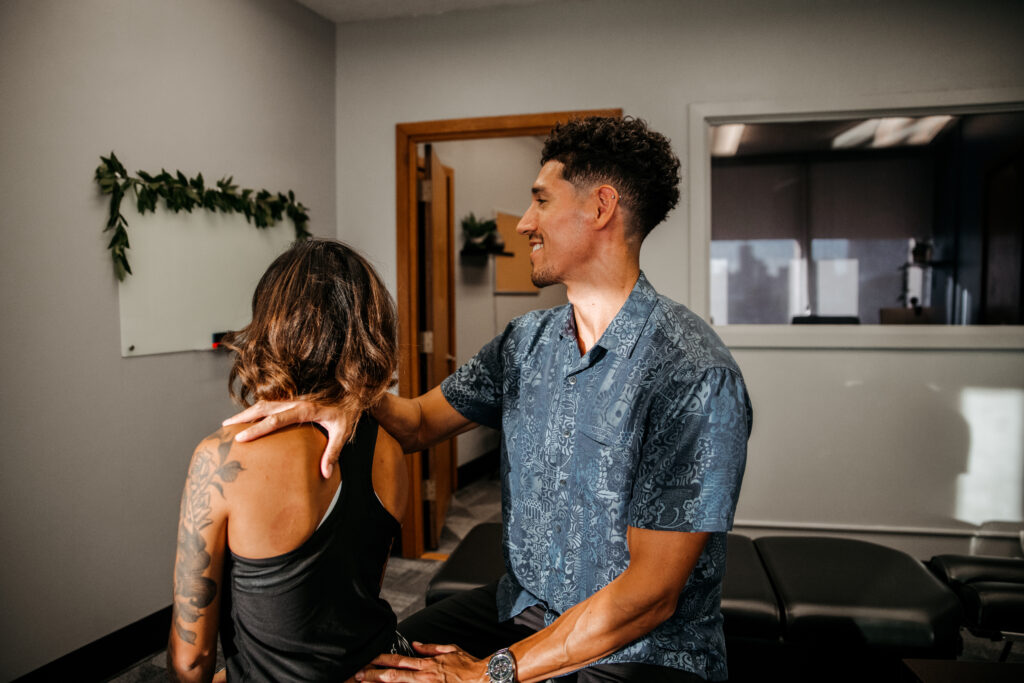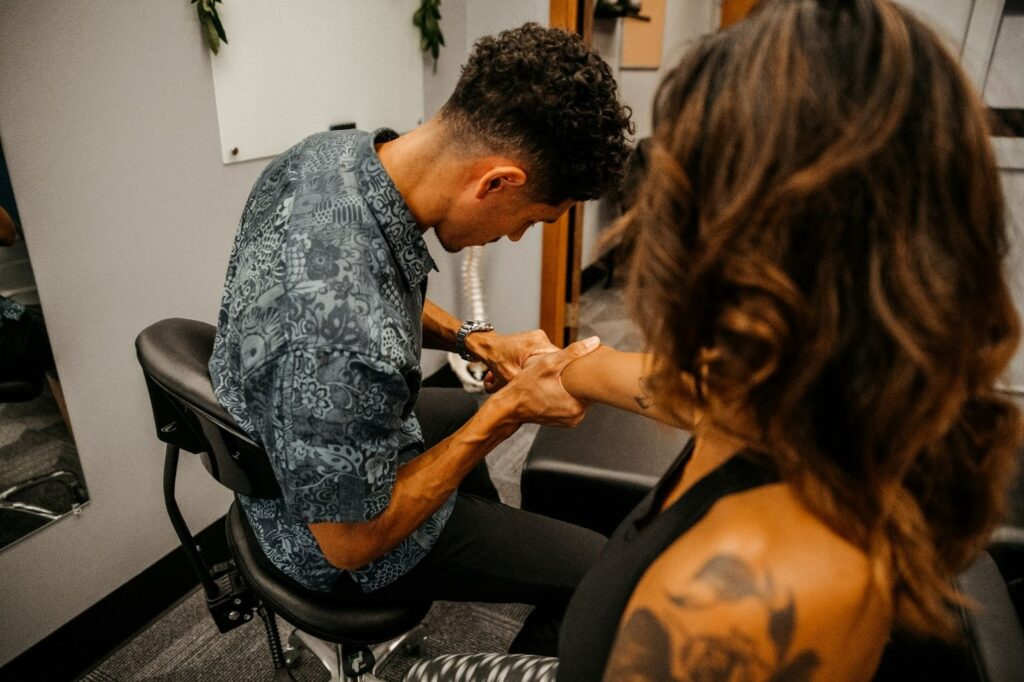

As a local chiropractor, I often meet patients who are struggling with back pain, and I want you to know that you're not alone in this. Finding quick relief is crucial for your daily activities, and there are simple yet effective strategies that can make a remarkable difference in your well-being.
One of the first things I recommend is incorporating targeted stretching techniques into your routine. These stretches can help relieve tension in your back muscles and improve your flexibility. Additionally, utilizing heat and cold therapy can provide immediate comfort and alleviate discomfort more quickly than you might expect.
It's also important to recognize how your posture and workspace can impact your back health. Many people spend long hours at desks or in front of screens without realizing how these habits contribute to their pain. By adjusting your posture and making ergonomic changes, you can significantly reduce strain on your back.
But what if I told you that combining these methods could offer even greater relief? In my practice, I often see patients achieve remarkable results by integrating chiropractic adjustments with these self-care strategies. By understanding your body and how to support it naturally, you can take control of your back pain and enhance your quality of life.
Let's explore these secrets together and empower you to find the relief you've been seeking.
Stretching Techniques
As a local chiropractor, I want to share with you the incredible benefits of stretching for alleviating back pain and enhancing flexibility. Incorporating stretching techniques into your daily routine can effectively target specific muscle groups that often contribute to discomfort. I recommend starting with simple stretches that focus on your lower back, hamstrings, and hip flexors—areas that frequently hold tension and lead to pain.
One of my favorite stretches to recommend is the knee-to-chest stretch. Simply lie on your back, gently pull one knee toward your chest while keeping the other leg extended. Hold this position for 20 to 30 seconds, then switch legs. This stretch is fantastic for relieving pressure in the lower back.
Another beneficial stretch is the cat-cow stretch. Get on your hands and knees; arch your back upward while tucking your chin (the "cat"), and then lower your belly while lifting your head (the "cow"). This dynamic movement not only increases flexibility but also reduces stiffness in your spine.
Don't overlook the seated forward bend, either. Sit with your legs extended in front of you, inhale deeply, and as you exhale, reach for your toes. This stretch helps lengthen your spine and hamstrings, easing tension throughout your back. Aim to hold each stretch for at least 20 to 30 seconds, and repeat them 2 to 3 times for maximum benefit.
It's essential to listen to your body while stretching. If you experience pain during a stretch, ease off or modify it to suit your comfort level. Consistency is crucial—try to incorporate these stretches into your daily routine, especially if you find yourself sitting for long periods.
Heat and Cold Therapy
As a local chiropractor dedicated to your wellness, I want to share how heat and cold therapy can be valuable tools in managing back pain. When you're experiencing discomfort, these two techniques can provide significant relief.
Heat therapy is excellent for relaxing tight muscles and enhancing blood circulation, which can help promote healing.
On the other hand, cold therapy is effective in reducing inflammation and numbing sharp pain, making it ideal for acute injuries or flare-ups.
Understanding how to effectively implement these therapies can greatly aid your recovery process. It's all about finding the right balance and timing.
If you're new to chiropractic care and natural healing, I encourage you to explore these methods with guidance. Together, we can develop a personalized approach that supports your journey to better health.
Benefits of Heat Therapy
As a local chiropractor, I want to share with you the powerful benefits of heat therapy for alleviating back pain and promoting overall relaxation. When you apply heat to your back, it enhances blood flow to the area, which can significantly reduce stiffness and soothe sore muscles.
Additionally, heat therapy stimulates sensory receptors in your skin, helping to interrupt pain signals that are sent to your brain, making it a natural and effective way to manage discomfort.
Here are some key benefits of incorporating heat therapy into your routine for back pain relief:
- Muscle Relaxation: Heat therapy is excellent for relaxing tight muscles. This can make it easier for you to move and stretch comfortably, which is essential for maintaining mobility and preventing further injury.
- Improved Flexibility: By promoting healthy blood circulation, heat therapy can enhance your overall flexibility. This allows you to engage in daily activities more freely and without discomfort, contributing to a better quality of life.
- Stress Relief: The soothing warmth from heat therapy has a calming effect on both the body and mind. This can help reduce stress levels, making you feel more at ease and promoting a sense of well-being.
To reap these benefits, consider using a heating pad, a hot water bottle, or indulging in a warm bath.
However, it's important to use heat therapy in moderation and avoid applying it directly to your skin for extended periods to prevent burns.
By embracing heat therapy as part of your self-care routine, you're taking a positive step towards feeling better and improving your overall health.
As your chiropractor, I'm here to guide you on your journey to natural healing and wellness!
Cold Therapy Techniques
As a local chiropractor, I want to share with you the benefits of cold therapy techniques, especially when it comes to managing back pain. Cold therapy can be an excellent complement to heat therapy, providing a natural approach to relief that many people may not be familiar with.
When you apply cold to the affected area of your back, it performs two key functions: it helps reduce inflammation and numbs sharp pain, offering immediate relief. You can easily incorporate cold therapy into your routine by using ice packs, frozen gel packs, or even a bag of frozen vegetables wrapped in a towel.
For optimal results, I recommend applying your cold source for about 15 to 20 minutes at a time. It's important to take breaks in between sessions to protect your skin. Cold therapy is particularly effective during the first 48 hours after an injury, as it constricts blood vessels and helps decrease swelling.
If you're experiencing chronic pain, consider making cold therapy a part of your regular self-care regimen. Alternating between heat and cold can significantly enhance your overall relief. For example, after using heat to relax tight muscles, you can follow up with cold therapy to address any swelling that may occur.
Always pay attention to how your body responds; if you notice increased pain or discomfort, it's best to stop the treatment. Cold therapy is a straightforward yet effective strategy to help manage your back pain and improve your mobility.
I'm here to support you on your journey to natural healing and wellness!
Proper Posture Practices
As a local chiropractor, I often see patients struggling with back pain, and I want to emphasize the importance of proper posture practices in your daily life.
By setting up an ergonomic workspace, you can greatly reduce strain on your body. It's crucial to maintain a correct sitting position—keeping your feet flat on the floor and your back supported can make all the difference.
Additionally, when standing, ensure that your alignment is straight and balanced.
These simple adjustments can significantly impact your overall comfort and well-being.
Let's delve into some essential tips that will help you sit and stand with confidence, ultimately leading to a healthier spine and a pain-free life.
Ergonomic Desk Setup
As a chiropractor, I often emphasize the importance of creating an ergonomic desk setup to help prevent back pain and maintain proper posture, especially for those who spend long hours working at a desk.
By optimizing your workspace, you can significantly reduce the strain on your back and promote a more comfortable, healing environment.
First and foremost, it's crucial to adjust your chair to provide adequate support for your lower back. This helps maintain the natural curve of your spine and allows your feet to rest flat on the floor.
A well-supported chair can make a noticeable difference in your comfort levels throughout the day.
Next, ensure your computer monitor is positioned at eye level. This adjustment prevents you from craning your neck, which can lead to tension and discomfort over time.
When typing, aim for your elbows to be at a 90-degree angle and keep your wrists straight. This setup encourages an upright posture, reducing the likelihood of slouching, which can contribute to back pain.
Here are a few quick tips to help you establish the perfect ergonomic workspace:
- Choose a chair with lumbar support: This type of chair is designed to support your lower back, promoting better posture and reducing strain on your spine.
- Position your keyboard and mouse appropriately: They should be close enough so that your elbows remain relaxed and at your sides, avoiding unnecessary tension in your shoulders and arms.
- Consider a footrest: If your feet don't comfortably reach the floor, a footrest can help you maintain balance and provide additional support.
By implementing these ergonomic principles, you can create a workspace that not only enhances your comfort but also supports your overall health and well-being.
Correct Sitting Position
As a chiropractor, I want to emphasize the importance of maintaining a proper sitting position, as it plays a crucial role in your overall spinal health and well-being. Many people overlook how their sitting posture can significantly impact their body, especially if they spend long hours at a desk.
First and foremost, make sure your back is straight and your shoulders are relaxed while seated. Your feet should rest flat on the ground or on a footrest, with your knees positioned at or slightly below hip level. This alignment is vital as it helps prevent unnecessary strain on your back and promotes better blood circulation throughout your body.
When typing or using your mouse, keep your elbows close to your body, forming a 90-degree angle. This position not only reduces tension in your shoulders and wrists but also helps maintain a more natural posture. Additionally, ensure that your computer screen is at eye level. This will prevent you from leaning forward or craning your neck, which can lead to discomfort and potential long-term issues.
If you find yourself seated for extended periods, it's essential to take regular breaks every 30 to 60 minutes. Stand up, stretch, and move around to release any built-up tension.
Incorporating a small cushion or lumbar support can also be beneficial, as it helps fill the natural curve of your lower back, enhancing your posture and comfort.
Standing Alignment Tips
As a local chiropractor dedicated to helping you achieve optimal health, I want to emphasize the importance of proper standing alignment. Good posture isn't just about looking confident; it's crucial for preventing back pain and supporting your overall well-being.
By following a few simple guidelines, you can help keep your spine aligned and ensure that your muscles work efficiently.
Here are some essential tips to maintain proper standing alignment:
- Feet: Stand with your feet shoulder-width apart, ensuring that your weight is evenly distributed across both feet. This stable foundation is key to maintaining balance and minimizing strain on your back.
- Knees: It's important to keep your knees slightly bent. Locking your knees can create unnecessary tension in your lower back, so allowing for a natural bend will better support your spine's alignment.
- Shoulders: Roll your shoulders back and down. This posture helps keep your chest open and prevents slouching, which can compress the spine and lead to discomfort.
By incorporating these tips into your daily routine, you can significantly enhance your posture and overall health.
Strengthening Exercises
As a local chiropractor, I want to share how engaging in strengthening exercises can significantly alleviate back pain by enhancing the muscles that support your spine. By focusing on strengthening your core, back, and pelvic muscles, you create a solid foundation that aids in maintaining proper alignment and posture. This proactive approach reduces strain on your back and can lead to a reduction in pain over time.
I recommend starting with fundamental exercises such as planks and bridges. For a plank, lie face down and lift your body off the ground, balancing on your forearms and toes. It's important to keep your body straight as you hold this position for 20 to 30 seconds. As your strength increases, you can gradually extend the duration.
Bridges are another effective exercise; lie on your back with your knees bent and feet flat on the floor. Raise your hips towards the ceiling while squeezing your glutes, hold for a few seconds, and then lower back down.
Don't overlook the importance of your abdominal muscles! Incorporate exercises like crunches or pelvic tilts into your routine to fortify your core. For pelvic tilts, lie on your back with your knees bent. By tightening your abdominal muscles, flatten your lower back against the floor, hold briefly, and then release.
I encourage you to include these exercises in your routine two to three times a week. Consistency is essential, so as you gain strength, gradually increase your repetitions and sets. Always listen to your body and stop if you experience pain.
With time and commitment, you'll likely notice increased strength and a significant reduction in back pain, enabling you to enjoy a more active and fulfilling lifestyle. Remember, incorporating these exercises alongside chiropractic care can enhance your overall wellness and recovery.
Mindfulness and Relaxation
As a local chiropractor, I want to share with you how incorporating mindfulness and relaxation techniques can significantly enhance your experience with back pain.
It's important to understand that when you focus on the present moment and consciously release tension, you can foster a sense of ease in your body. Mindfulness allows you to acknowledge your pain without judgment, which can empower you to respond to it more effectively.
One of the simplest practices you can start with is deep breathing exercises. I recommend taking a few minutes each day to find a comfortable position, close your eyes, and engage in deep breathing. Inhale slowly through your nose, allowing your abdomen to expand fully, and then exhale gently through your mouth.
This practice not only helps to lower stress levels but also promotes relaxation, which is vital for managing pain.
Another effective technique is guided imagery. I encourage you to visualize a peaceful scene, such as a sandy beach or a tranquil forest. Immerse yourself in this imagery by engaging all your senses—listen to the waves crashing, smell the fresh pine trees, and feel the warmth of the sun on your skin.
This mental exercise can help divert your mind from pain and instill a sense of calm.
Lastly, I suggest incorporating gentle yoga or stretching into your daily routine. These movements won't only help ease tension but also improve your flexibility, which can make it easier for you to manage discomfort over time.
- Practice deep breathing exercises for effective stress relief.
- Use guided imagery to create a distraction from pain.
- Incorporate gentle yoga or stretching to enhance flexibility and comfort.
Ergonomic Adjustments
As a local chiropractor, I want to share some essential tips to help you manage back pain effectively. While mindfulness and relaxation techniques can provide a solid foundation for your healing journey, making ergonomic adjustments in your daily environment is equally vital. By optimizing your workspace and daily routines, you can significantly reduce strain on your back and promote better posture.
Let's begin with your chair. It's crucial that your chair supports your lower back and allows your feet to rest flat on the floor. If your chair doesn't have built-in lumbar support, I recommend using a cushion or a lumbar roll to support your spine. Adjust the chair height so that your knees are slightly lower than your hips, ensuring that your spine remains aligned.
Next, let's talk about your desk setup. Your computer monitor should be positioned at eye level, approximately an arm's length away. This setup helps prevent you from leaning forward or straining your neck, which can exacerbate back pain. If you find yourself typing for extended periods, consider investing in an ergonomic keyboard and mouse. Position them at a comfortable height to keep your wrists straight and minimize tension.
Posture is also key to maintaining a healthy back. When sitting, keep your shoulders relaxed and your elbows close to your body, ideally forming a 90-degree angle. Remember to take regular breaks—stand up, stretch, and walk around to improve circulation and relieve any built-up tension.
Lastly, let's discuss safe lifting techniques. Always bend at your knees rather than your waist and keep the object close to your body as you lift. These simple ergonomic adjustments can make a significant difference in alleviating back pain, helping you feel more comfortable and productive throughout your day.
At our practice, we focus on natural healing methods, and I encourage you to incorporate these ergonomic tips into your routine. By doing so, you'll be taking proactive steps toward better spinal health and overall well-being.
Seeking Professional Help
As a local chiropractor, I want to emphasize how crucial it's to seek professional help when managing back pain. Many individuals believe they can simply tough it out or rely on over-the-counter pain relievers, but this often leads to prolonged discomfort and frustration.
By consulting with a chiropractor, you gain access to specialized knowledge and a tailored approach that addresses not only the symptoms but also the underlying causes of your pain. Chiropractic care offers unique insights and effective treatment options that you may not have considered before.
We take the time to assess your specific situation, working with you to develop a personalized plan that aligns with your individual needs. Here are a few benefits of choosing chiropractic care for your back pain management:
- Accurate Diagnosis: As chiropractors, we focus on identifying the root cause of your discomfort, whether it stems from muscle strain, a herniated disc, or other conditions. This precise diagnosis is key to effective treatment.
- Targeted Treatment: We provide you with specific adjustments, exercises, and stretches designed to alleviate your pain and enhance your mobility. Our goal is to help you feel better and move freely.
- Preventive Care: We also teach you strategies to prevent future issues, ensuring that you not only find relief but also maintain a healthy back for the long term.
Don't underestimate the impact that professional chiropractic care can have on your journey to recovery. Ignoring your symptoms can lead to chronic pain that might've been easily managed with early intervention and guidance.
Taking that first step to consult with a chiropractor can set you on the right path to regaining your quality of life. Remember, you don't have to navigate this journey alone—expert support is here to help you heal naturally and effectively.
Conclusion
As a local chiropractor, I want to share with you seven effective strategies that can provide quick relief from back pain. By incorporating these secrets into your daily routine, you can experience significant improvements in your comfort and mobility.
First, let's talk about the importance of stretching. Gentle stretches can help to alleviate tension and promote flexibility in your spine. Additionally, applying heat or cold to the affected area can be a simple yet powerful way to reduce pain and inflammation.
Maintaining proper posture is crucial for supporting your spine and minimizing discomfort. I encourage you to be mindful of your posture throughout the day, especially if you spend long hours sitting at a desk. Ergonomic adjustments in your workspace can make a significant difference in how you feel.
Strengthening exercises are vital for building the muscles that support your back. I recommend incorporating these into your routine to help prevent future pain. Furthermore, mindfulness techniques, such as deep breathing or meditation, can improve your overall well-being and help you manage stress, which often contributes to pain.
If you're struggling with persistent back pain, I encourage you to seek professional help. As a chiropractor, I can assess your specific situation and tailor a treatment plan that may include spinal adjustments, therapeutic exercises, and additional natural healing methods.
With commitment to these strategies and the right support, you can reclaim a pain-free life and enjoy improved mobility. Remember, taking proactive steps today can lead to a healthier tomorrow!