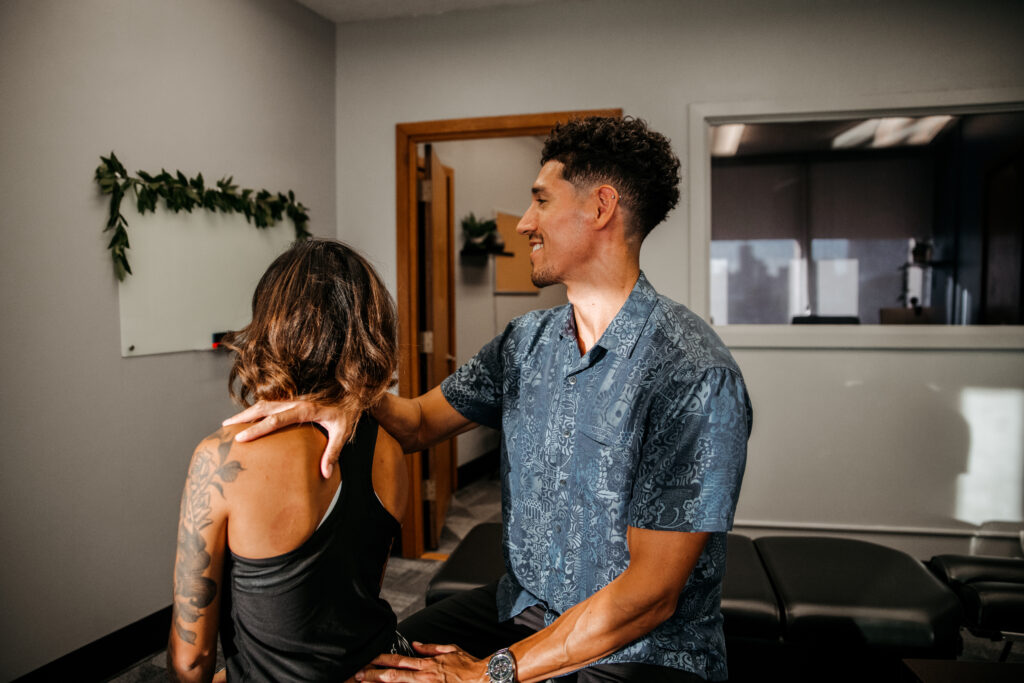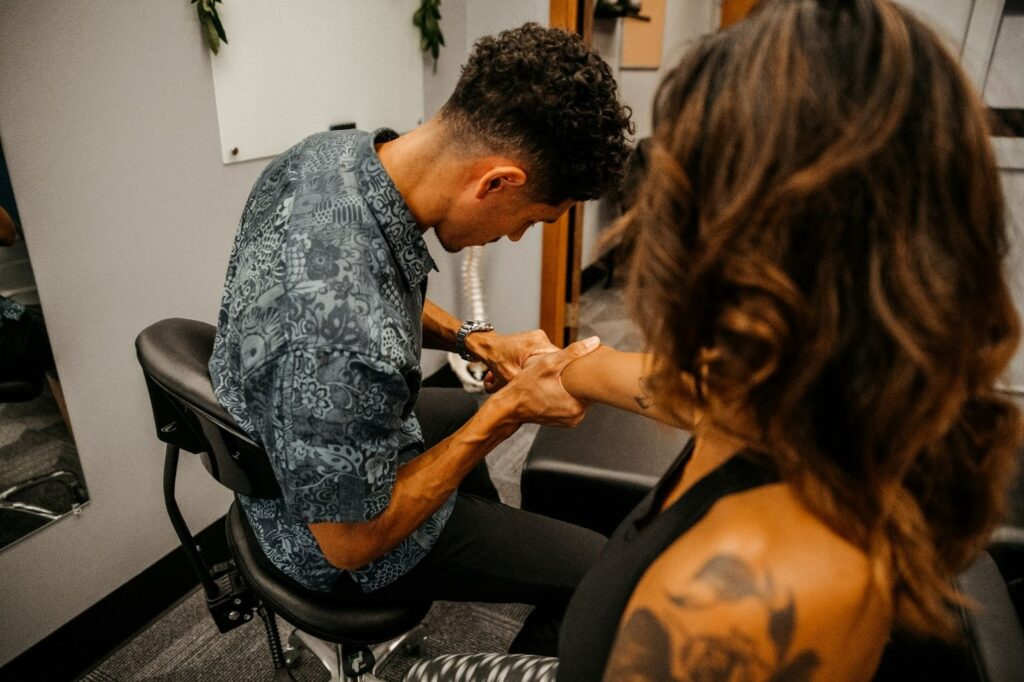

As a local chiropractor, I often see patients struggling with sports-related back pain, which can significantly impact both your athletic performance and daily life. It's crucial to recognize the root causes of this discomfort and to take proactive measures toward relief. One of the first steps I recommend is to pay attention to your posture; maintaining proper alignment can make a world of difference. Additionally, incorporating regular stretching and focusing on strengthening your core muscles can greatly enhance your recovery.
But these strategies are just the tip of the iceberg. There are numerous other natural healing techniques and lifestyle adjustments that can support your journey to pain relief and keep you active. Are you interested in learning more about these reliable tips and how they can lead to a healthier, more active lifestyle? I'm here to help you understand the benefits of chiropractic care and guide you on your path to recovery.
Understand Your Pain
Understanding Your Back Pain
As a local chiropractor, I want to help you grasp the underlying causes of sports-related back pain so you can effectively address it. Often, back pain arises from muscle strains, ligament sprains, or even herniated discs that can occur during physical activities. Think about the movements you engage in while playing sports—repetitive motions, sudden twists, and heavy lifting can all add stress to your back.
If you've been pushing your physical limits, your body is likely signaling that it needs some rest and care.
It's important to consider how your training routine may impact your back health. Are you including sufficient flexibility and strength exercises in your regimen? Weak core muscles can lead to inadequate support for your spine, rendering it more vulnerable to injury.
Additionally, take a moment to evaluate your warm-up and cool-down practices. Skipping these essential steps can lead to muscle tightness, which increases the risk of injury.
Pay attention to the specific symptoms you're experiencing. Is the pain sharp or dull? Does it radiate into your legs or change with certain movements? Keeping a record of when and how the pain occurs can provide valuable insights that help identify the root cause.
If you find that your discomfort persists, I encourage you to seek professional guidance.
Remember, every body is unique. What alleviates pain for one person may not be effective for you. By taking the time to understand your pain, you'll be better positioned to address the underlying issues and explore effective natural healing strategies.
Your body will appreciate the care, and you'll be well on your way to returning to your sports activities pain-free.
Maintain Proper Posture
As your local chiropractor, I want to emphasize how crucial it's to maintain proper posture for your overall health, especially when it comes to keeping your back aligned and free from pain.
Many people may not realize that focusing on ergonomic exercise techniques can significantly enhance your performance while minimizing strain on your muscles and spine.
By understanding the importance of proper alignment, you can make a remarkable difference in your sports routine and daily activities.
Good posture not only supports your body's structure but also promotes better movement efficiency and reduces the risk of injury.
I encourage you to pay attention to how you stand, sit, and exercise, as these habits can profoundly impact your well-being.
Together, we can work towards a healthier, pain-free lifestyle through natural healing and chiropractic care.
Importance of Alignment
As a local chiropractor dedicated to your well-being, I want to emphasize the importance of proper alignment in preventing and alleviating sports-related back pain.
When you maintain good posture, you not only reduce strain on your spine and surrounding muscles but also enhance your overall movement and minimize discomfort.
Here are three key tips to help you achieve proper alignment:
- Engage Your Core: Strengthening your abdominal muscles is crucial for providing support to your spine. I encourage you to make it a habit to engage your core during both sports and everyday activities. This simple practice can significantly improve your posture and reduce the risk of injury.
- Align Your Head and Neck: It's essential to keep your head level and in line with your spine. Avoid leaning forward or tilting your head down, as these positions can lead to muscle strain and discomfort. Proper alignment of your head and neck is vital for maintaining spinal health.
- Distribute Your Weight Evenly: Whether you're standing, sitting, or participating in sports, ensure that your weight is evenly distributed. This balanced approach helps prevent unnecessary pressure on any one area of your back, promoting a healthier spine and reducing pain.
By incorporating these tips into your daily routine, you can enhance your alignment and enjoy a more active lifestyle free from back pain.
If you have any questions or need personalized guidance, feel free to reach out to me. Together, we can work towards your optimal health and wellness!
Ergonomic Exercise Techniques
As a local chiropractor, I want to share some important insights on how incorporating ergonomic exercise techniques into your routine can significantly enhance your posture and minimize the risk of back pain during physical activities.
It's crucial to start with a focus on your alignment. When exercising, aim to keep your spine straight and engage your core muscles. This stability not only supports your back but also helps distribute weight evenly, which can prevent unnecessary strain.
Understanding body mechanics is equally essential. When lifting weights or performing physical tasks, always bend at your hips and knees instead of at your waist. This simple adjustment protects your back and can improve your overall strength.
Additionally, when doing exercises like squats or lunges, ensure that your knees don't extend past your toes. This practice is key to maintaining proper alignment and preventing injury.
Regular stretching is another vital component of an effective exercise routine. Stretching enhances flexibility and prepares your muscles for the demands of physical activity.
I encourage you to incorporate stretches that specifically target your back, hips, and legs. This won't only improve your range of motion but also help alleviate stiffness.
Lastly, consider utilizing ergonomic equipment, such as supportive mats or appropriate footwear, during your workouts. These tools can significantly enhance your posture and comfort, allowing you to perform exercises more effectively.
By integrating these ergonomic techniques into your routine, you can reduce the risk of back pain and optimize your overall performance in any physical activity.
If you have any questions about how to implement these strategies or about chiropractic care in general, please feel free to reach out. Your health and well-being are our top priorities!
Stretch Regularly
As your local chiropractor, I want to emphasize the importance of stretching regularly for your overall health and well-being. Stretching is crucial for maintaining flexibility, which can significantly lower your risk of experiencing back pain.
By integrating specific stretching techniques into your daily routine, you can effectively target muscle groups that play a vital role in supporting your spine.
Understanding how to properly stretch can enhance your body's performance and contribute to a healthier lifestyle. I encourage you to consider these practices not just as a way to alleviate discomfort, but as a proactive approach to maintaining your spinal health and overall wellness.
Let's work together to create a stretching routine that fits your needs and promotes natural healing.
Importance of Flexibility
As your local chiropractor, I want to emphasize the vital role flexibility plays in preventing back pain and improving your overall performance in daily activities and sports. When your body maintains good flexibility, it allows your muscles and joints to move freely, which significantly reduces the risk of injury. A flexible body can absorb shock better and adapt to sudden movements, both of which are crucial in physical activities.
Here are three key reasons why flexibility is essential for your back health:
- Enhanced Range of Motion: With increased flexibility, your joints can move through a greater range of motion. This improved mobility means that your body operates more efficiently, lessening the strain on your back muscles during various activities.
- Improved Posture: Regular stretching contributes to better posture, which is vital for aligning your spine properly. Maintaining good posture alleviates stress on your back, significantly lowering the chances of experiencing pain and discomfort.
- Muscle Balance: Flexibility ensures that your muscles work in harmony. When certain muscles are tight, it can create imbalances that put extra strain on your back, making it more susceptible to injury. By promoting flexibility, we can help maintain muscle balance and support your spine's health.
Incorporating flexibility exercises into your routine can be an effective natural approach to enhancing your well-being.
If you have any questions or need guidance on how to improve your flexibility, feel free to reach out. Your health is our priority!
Targeted Stretching Techniques
As a local chiropractor, I want to share how targeted stretching techniques can significantly improve your back health and enhance your athletic performance. Many people may not realize that incorporating specific stretches into your daily routine can lead to increased flexibility, reduced muscle tension, and relief from pain.
To start, it's essential to focus on stretching the muscles surrounding your spine, particularly the hamstrings, hip flexors, and lower back. One of my favorite stretches to recommend is the cat-cow pose. This gentle movement helps to mobilize your spine and release built-up tension.
Begin by getting on your hands and knees; as you inhale, arch your back, and as you exhale, round it. Hold each position for a few breaths to truly feel the benefits.
Another beneficial stretch is the seated forward bend. Sit with your legs extended in front of you, and gently reach for your toes. This stretch targets your back and hamstrings, promoting relaxation. Aim to hold this position for 20-30 seconds while breathing deeply, allowing the stretch to deepen.
Side stretches are also crucial, as they can relieve tightness in your obliques and lower back. Stand tall and reach one arm overhead, then lean to the opposite side. This not only stretches your sides but also helps to maintain proper spinal alignment.
I encourage you to make stretching a daily habit, especially after workouts or during breaks. Consistent, targeted stretching is vital for maintaining a healthy back and can significantly enhance your overall athletic performance.
Stay committed to your stretching routine, and you'll likely notice a positive difference in how you feel. Remember, natural healing through movement is an essential part of your wellness journey!
Strengthen Core Muscles
As a local chiropractor dedicated to helping you achieve optimal health, I want to share some valuable insights on managing sports-related back pain. A crucial aspect of this is strengthening your core muscles. Your core isn't just about your abs; it encompasses the entire muscular structure around your trunk. A well-developed core stabilizes your spine, minimizes the risk of injuries, and enhances your overall athletic performance.
Here are three effective exercises I often recommend to my patients to help strengthen their core:
- Planks: Begin in a push-up position, resting on your forearms. Ensure your body forms a straight line from your head to your heels. Aim to hold this position for 20-30 seconds, and as you build strength, gradually increase your duration. Planks are fantastic because they engage multiple muscle groups, including your back and shoulders, providing comprehensive core support.
- Bird-Dog: Start on all fours, with your hands aligned under your shoulders and your knees under your hips. Extend your right arm forward while simultaneously pushing your left leg back. Hold this position for a few seconds, then switch sides. This exercise is excellent for improving balance and coordination while effectively engaging your core muscles.
- Russian Twists: Sit on the floor with your knees bent and your feet flat on the ground. Lean back slightly while keeping your back straight. Grasp a weight or a medicine ball with both hands, and rotate your torso to the right and then to the left. This movement is particularly beneficial for strengthening your oblique muscles and enhancing your rotational strength.
Incorporating these exercises into your routine can significantly alleviate back pain and improve your athletic abilities. Always remember to maintain proper form to prevent injury, and if you're uncertain about your technique, don't hesitate to consult a healthcare professional or your chiropractor for guidance.
Taking these steps can lead to a healthier, more active lifestyle.
Use Heat and Cold Therapy
As a local chiropractor, I'm here to help you understand how heat and cold therapy can be valuable tools in managing sports-related back pain. Many athletes, as well as those who lead active lifestyles, find these methods to be effective in relieving discomfort and promoting recovery. It's important to know when and how to apply each therapy to enhance your pain management routine.
When you use heat therapy on your back, it increases blood flow to the area, which can help relax tight muscles and ease stiffness. You can easily incorporate this into your routine using a heating pad, a hot water bottle, or even by taking a warm shower. I recommend applying heat for about 15-20 minutes, but always be cautious to avoid burns.
Heat therapy is particularly beneficial before you engage in any physical activity, as it helps prepare your muscles for movement and can improve your overall performance.
Conversely, cold therapy is incredibly effective at reducing inflammation and numbing sharp pain. Using ice packs or cold compresses can significantly alleviate soreness after a workout or injury. When applying cold therapy, aim for 15-20 minutes, and remember to place a cloth barrier between the ice and your skin to prevent frostbite.
This method is especially crucial in the first 48 hours following an injury when swelling is often at its worst.
For optimal results, consider combining both therapies in your recovery routine. For instance, you might start with cold therapy right after exercise to minimize inflammation, and then switch to heat therapy later to relieve any remaining muscle tension.
Invest in Quality Gear
As a local chiropractor, I want to emphasize the importance of investing in quality gear for anyone serious about their sports performance and overall spinal health.
When you dedicate time and energy to your favorite activity, the last thing you need is to be held back by subpar equipment. High-quality gear not only enhances your athletic performance but also plays a crucial role in preventing injuries, especially back pain.
Here are three essential items to consider when upgrading your gear:
1. Footwear: Think of your shoes as the foundation of your physical activity. A well-fitted pair of sports shoes provides the necessary support and cushioning for your feet, which directly affects your spinal alignment.
It's vital to choose footwear that fits properly and is tailored to your specific sport to help minimize strain on your back.
2. Supportive Clothing: The right clothing can significantly impact your performance and comfort. Look for compression garments that help stabilize your muscles and reduce strain during physical activities.
Additionally, opting for breathable fabrics will keep you comfortable and dry, allowing you to focus fully on your performance without unnecessary distractions.
3. Equipment Adjustments: Whether you're cycling, playing tennis, or engaging in any other sport, ensuring that your equipment is properly adjusted to fit your body is essential.
Misalignment can lead to poor posture and increased strain on your back, which can cause discomfort and pain. Take the time to customize your gear to suit your unique needs and body mechanics.
Investing in quality gear isn't just about improving your performance; it's also vital for maintaining your spinal health.
Consult a Professional
As a local chiropractor, I want to emphasize the significant benefits of consulting a professional when it comes to managing sports-related back pain. Many individuals may not be familiar with chiropractic care, but it can truly be a game-changer in your recovery journey. My expertise allows me to accurately assess your condition and identify the root cause of your discomfort.
During your visit, you can expect a comprehensive evaluation where we'll discuss your symptoms, medical history, and activity levels. I'll perform physical tests to assess your flexibility, strength, and posture. This thorough approach ensures that we're not merely masking your pain but rather addressing the underlying issues that contribute to it.
Once we've pinpointed the source of your pain, I'll develop a personalized treatment plan tailored specifically to your needs. This plan may include targeted chiropractic adjustments to realign your spine, exercises aimed at strengthening your back and core, and techniques designed to enhance your flexibility.
I may also suggest posture corrections for your sports activities to prevent future injuries. In some cases, we might explore complementary treatments such as massage therapy or acupuncture to further support your healing process.
It's important to remember that if you're not experiencing the relief you desire, seeking a second opinion is perfectly acceptable. Your back health is crucial for both your performance and enjoyment in sports.
Investing time in consulting a chiropractor can set you on a path to recovery, allowing you to return to the activities you love without the burden of pain. Prioritize your well-being and consider the value of expert chiropractic care in overcoming sports-related back pain.
Conclusion
As a local chiropractor, I want to emphasize the importance of a proactive approach to managing sports-related back pain. Many of my patients come to me seeking relief, and understanding your pain is the first step toward recovery. By implementing these seven reliable tips—such as maintaining proper posture, stretching regularly, and strengthening your core—you can significantly enhance both your comfort and athletic performance.
Investing in quality gear is crucial, as it can make a substantial difference in how your body responds during physical activity. Additionally, I encourage you to consider seeking professional advice tailored specifically to your needs. A customized plan can help address your unique pain and movement patterns.
It's important to remember that taking these steps not only alleviates pain but also improves your overall athletic experience. By prioritizing your health and staying active, you can enjoy your favorite sports while minimizing discomfort. Don't hesitate to reach out for guidance on how chiropractic care and natural healing can support you in this journey!