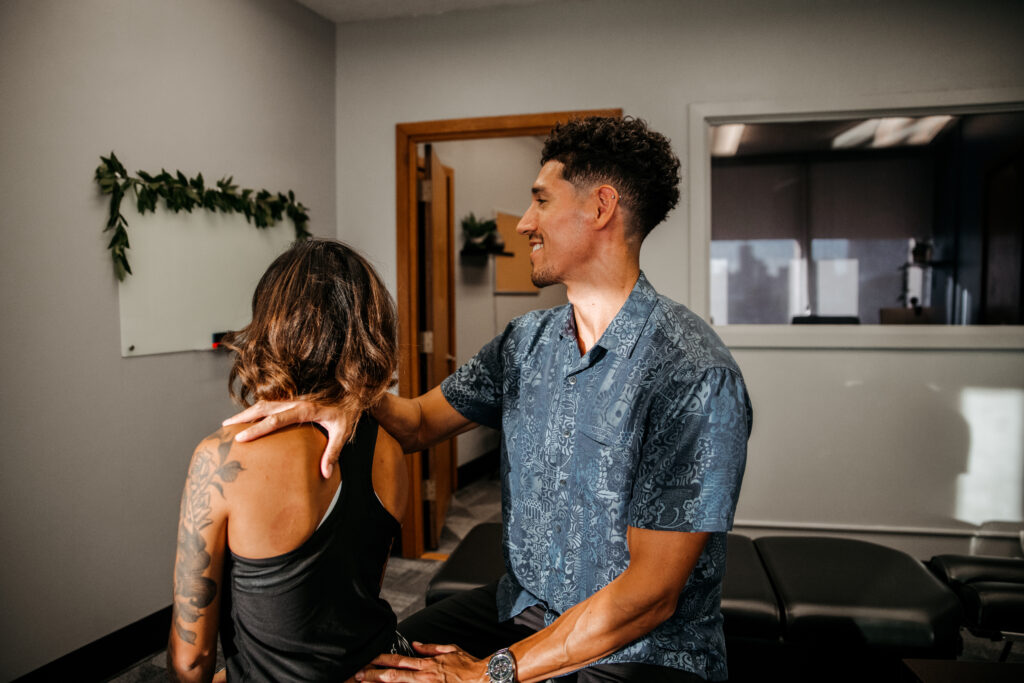

If you're struggling with back pain, you might want to explore some effective non-invasive treatments that can help you regain your comfort and mobility. Physical therapy, chiropractic care, and acupuncture are three approaches that have shown promise in alleviating discomfort without the need for invasive procedures. Each of these methods offers unique benefits that could empower you on your healing journey. But how do you decide which option might be best for your specific situation? Let's take a closer look at what each treatment entails and how they can work for you.
Physical Therapy
Physical therapy is often a cornerstone in managing back pain effectively. When you start working with a physical therapist, they'll assess your individual condition and develop a tailored treatment plan. This plan typically includes targeted exercises designed to strengthen your muscles, improve flexibility, and enhance your overall mobility. You'll likely find that these exercises not only alleviate pain but also help prevent future issues.
Your therapist might incorporate manual therapy techniques, which involve hands-on manipulation of your back and surrounding muscles. These techniques can relieve tension, improve circulation, and promote healing in the affected areas.
You'll learn how to manage your pain and incorporate proper body mechanics into your daily activities, reducing strain on your back. Education is an essential component of physical therapy, so don't be surprised if your therapist spends time teaching you about posture, ergonomics, and how to avoid movements that could aggravate your pain.
They'll also provide you with strategies to cope with flare-ups, ensuring you're equipped to handle setbacks. Consistency is key in physical therapy. Committing to your sessions and practicing exercises at home will yield the best results.
Over time, you should notice improvements not just in pain levels, but in your overall strength and functionality. By actively participating in your recovery, you empower yourself to take control of your back pain and enhance your quality of life.
Chiropractic Care
If you're exploring additional options for managing back pain, chiropractic care may be a valuable complement to physical therapy. Chiropractors focus on diagnosing and treating musculoskeletal disorders, particularly those related to the spine. They use hands-on spinal manipulation to adjust misaligned vertebrae, which can relieve pressure on nerves and reduce pain.
During your initial visit, the chiropractor will discuss your medical history and perform a physical examination. They'll assess your posture, range of motion, and any areas of discomfort. Based on this evaluation, they'll create a personalized treatment plan tailored to your specific needs. You might receive a series of adjustments, which are typically painless and can provide immediate relief.
Chiropractic care isn't just about adjustments. Your chiropractor may also recommend exercises, stretches, and lifestyle changes to support your recovery and prevent future issues. This holistic approach addresses not just the symptoms but the underlying causes of your back pain.
Many people find chiropractic care beneficial for conditions like lower back pain, sciatica, and tension headaches. It's important to communicate openly with your chiropractor about your symptoms and any concerns you may have. This partnership can lead to better outcomes and a more effective treatment plan.
Before starting any new treatment, consult with your healthcare provider to verify chiropractic care is appropriate for your situation. By incorporating chiropractic adjustments into your back pain management plan, you may discover a pathway to relief and improved overall well-being.
Acupuncture
Acupuncture offers a unique approach to alleviating back pain by stimulating specific points on the body with thin needles. This ancient practice, rooted in Traditional Chinese Medicine, aims to restore balance and improve energy flow, known as "Qi."
When you undergo acupuncture, you may experience reduced inflammation, improved circulation, and increased endorphin release, all of which can contribute to pain relief.
Here are three key benefits of acupuncture for back pain:
- Targeted Pain Relief: Acupuncture can specifically target the areas where you feel pain. By inserting needles at precise points, it helps to alleviate tension and reduce discomfort in your back, providing a more tailored treatment.
- Minimal Side Effects: Unlike many medications, acupuncture has minimal side effects. Most people experience little to no discomfort during the procedure, making it a safer alternative for those concerned about the risks of pharmaceuticals.
- Holistic Approach: Acupuncture doesn't just focus on the symptoms; it addresses the underlying imbalances in your body. This holistic perspective can lead to long-term solutions for chronic back pain, rather than merely masking the pain temporarily.
If you're considering acupuncture for your back pain, consult with a qualified practitioner to discuss your specific needs.
Conclusion
To sum up, tackling back pain doesn't have to involve invasive procedures or heavy medications. By exploring physical therapy, chiropractic care, and acupuncture, you can find effective, non-invasive solutions that cater to your unique needs. Each treatment empowers you to take charge of your recovery journey, improving your flexibility and strength while reducing pain. So why not give these holistic approaches a try? Your back will thank you for it!