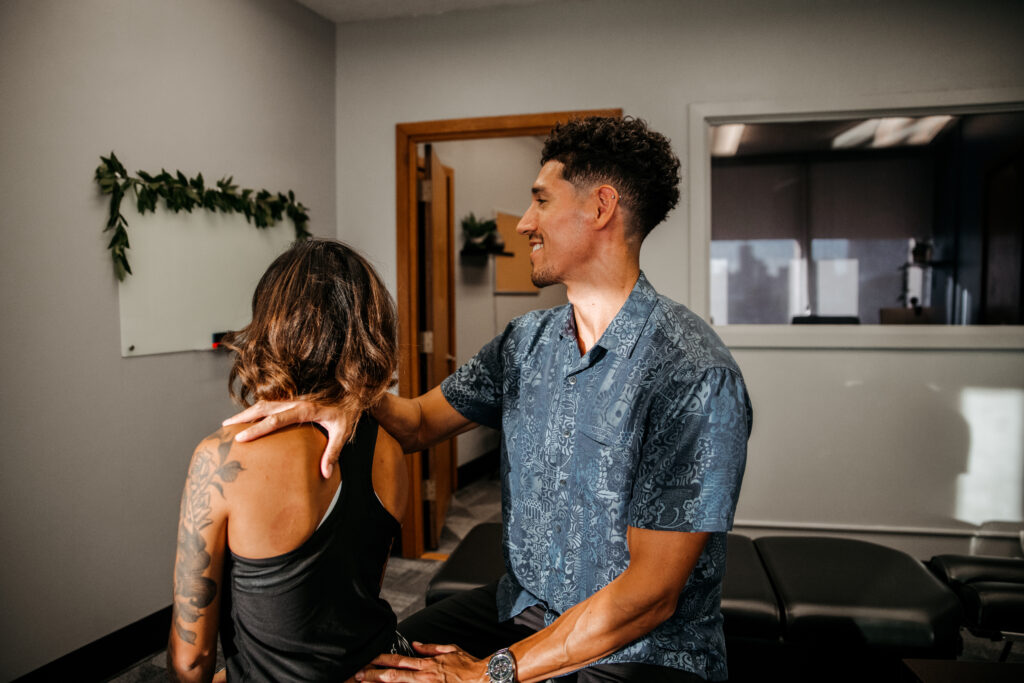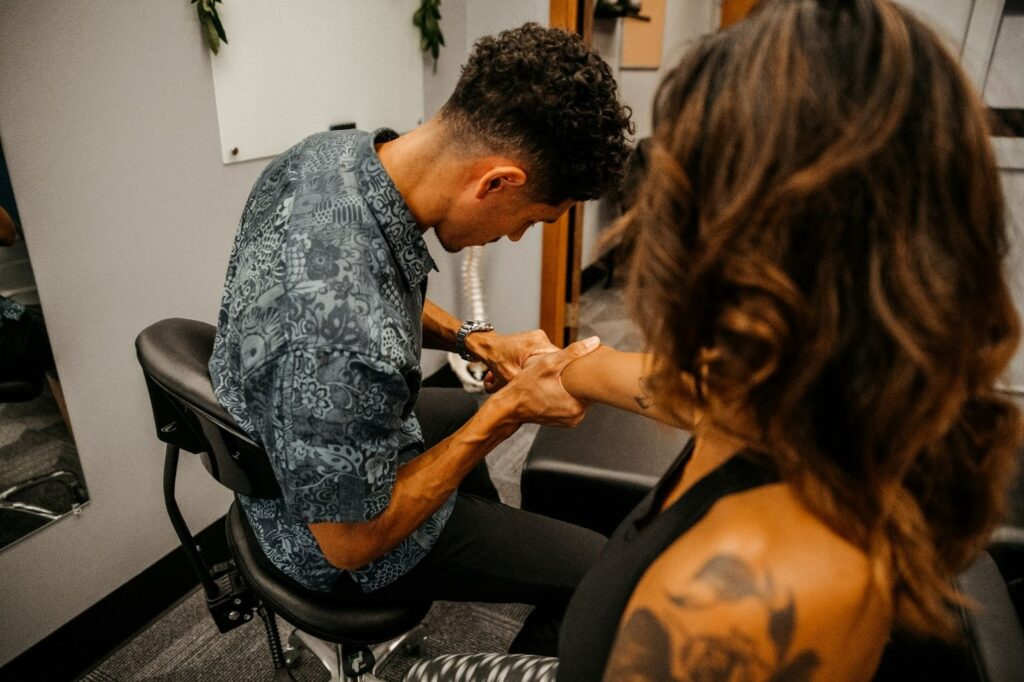

As a local chiropractor, I want to assure you that if you're experiencing upper back pain, you're certainly not alone. Many individuals share this struggle, and it's completely understandable to seek effective solutions. Here in my practice, we focus on natural healing methods that can alleviate discomfort and enhance your overall well-being.
There are numerous techniques we employ that target upper back pain, ranging from specific stretching exercises to important ergonomic changes in your daily routine. Each approach is tailored to serve a unique purpose in addressing your pain and discomfort.
Some methods may resonate with you more than others, and understanding these differences can be crucial in finding the relief you seek. It's essential to explore these techniques together, as they may hold the key to your recovery. Let's dive into these strategies and discover which ones could be beneficial for you on your journey to a pain-free life.
Stretching Exercises
As a local chiropractor, I often see patients struggling with upper back pain, and one of the most effective ways to address this discomfort is through stretching exercises. By incorporating regular stretching into your daily routine, you can improve your flexibility, reduce muscle tension, and promote better posture—key factors in alleviating upper back pain.
Let's start with a simple yet effective stretch known as the doorway stretch. To perform this, stand in a doorway and place your forearms on the doorframe at shoulder height. Gently lean your body forward, allowing yourself to feel a stretch across your chest and shoulders. Hold this position for about 20-30 seconds and repeat a few times. This stretch is fantastic for opening up tight muscles and can provide immediate relief.
Next, I recommend trying the cat-cow stretch. Begin on all fours with your hands positioned directly under your shoulders and your knees under your hips. Inhale deeply as you arch your back, allowing your belly to sink toward the floor (this is known as the cow position). Then, exhale as you round your back and tuck your chin to your chest (the cat position). Flow through this movement for 5-10 breaths; it's an excellent way to release tension in your spine.
Another beneficial stretch is the seated twist. Whether you're sitting on the floor or in a chair, turn your upper body to one side while keeping your hips square. You can use your hands to deepen the stretch as you hold for 20-30 seconds on each side. This exercise helps release tightness and enhances spinal mobility.
I encourage you to make these stretches a part of your daily routine. By doing so, you may notice a significant reduction in upper back pain over time.
Strengthening Workouts
As a local chiropractor dedicated to helping you achieve optimal health, I want to emphasize the importance of incorporating strengthening workouts into your routine, especially if you're experiencing upper back pain. Building strong muscles in your upper back is crucial for supporting your spine, enhancing stability, and minimizing the risk of injury.
To get started, I recommend focusing on exercises that target key muscle groups in your upper back, including the rhomboids, trapezius, and latissimus dorsi. One highly effective exercise I often suggest is the bent-over row. To perform this exercise, stand with your feet shoulder-width apart and hold a dumbbell in each hand. Bend slightly at the waist and pull the weights toward your ribcage while squeezing your shoulder blades together at the top of the movement. Aim for three sets of 10-15 repetitions. This exercise not only helps build strength but also improves endurance in your upper back.
Another excellent option is the face pull. Using a resistance band or cable machine, set the pulley at upper chest level. Grab the handles with both hands and pull them towards your face, ensuring your elbows remain elevated. Focus on squeezing your shoulder blades together throughout the movement. I recommend performing three sets of 12-15 repetitions to promote effective muscle activation in your upper back.
It's also important to recognize the role of core strength in your overall wellness. Incorporating plank variations into your routine can effectively engage both your core and upper back. Aim to hold a plank position for 30 seconds to a minute, maintaining a straight line from your head to your heels.
By integrating these strengthening workouts into your daily routine, you can expect to notice improvements in your posture, a reduction in pain, and an increase in overall strength. Remember, a strong upper back supports your spine and contributes to your long-term wellness.
If you have any questions or need guidance on how to safely incorporate these exercises, don't hesitate to reach out for personalized advice. Your health and well-being are my top priorities!
Posture Correction
As a local chiropractor, I often see patients struggling with upper back pain, and one of the most effective ways to address this issue is through posture correction.
It's crucial to understand that maintaining proper posture can significantly alleviate discomfort and promote overall spinal health.
Incorporating ergonomic seating into your daily routine can provide the necessary support for your spine, helping to maintain its natural alignment.
Additionally, engaging in regular stretching and strengthening exercises is vital for keeping your back muscles balanced and resilient.
By focusing on these elements, you can experience a remarkable improvement in your comfort and well-being.
I encourage you to explore these practices, as they can play a significant role in your journey toward better health.
Importance of Ergonomic Seating
As your local chiropractor, I want to emphasize the importance of maintaining proper posture, especially during those long hours spent sitting at a desk. Poor posture can lead to upper back pain and discomfort, but there are effective ways to alleviate this issue. One of the most beneficial solutions is investing in ergonomic seating.
An ergonomic chair is designed to support your spine's natural curves and promote good posture, which is crucial for your overall health, particularly when you're seated for extended periods.
Here are some key features to consider when selecting an ergonomic chair:
- Adjustable Height: It's vital that your feet rest flat on the floor, with your knees forming a 90-degree angle. This positioning helps reduce strain on your back and legs.
- Lumbar Support: Look for a chair that provides adequate support for your lower back. This feature is essential for preventing slouching, which can lead to discomfort over time.
- Armrests: Adjustable armrests are beneficial as they help alleviate strain on your shoulders and neck, contributing to a more relaxed sitting posture.
- Seat Depth: Choose a chair with a seat depth that allows you to sit back comfortably while ensuring there's enough space behind your knees. This will help improve circulation and reduce pressure on your legs.
By choosing the right ergonomic seating, you can significantly enhance your comfort and reduce the risk of pain, allowing you to focus on your work rather than discomfort.
Stretching and Strengthening Exercises
As a local chiropractor dedicated to educating my patients about natural healing and the importance of posture, I want to emphasize that investing in ergonomic seating is just the beginning of your journey toward better posture and relief from upper back pain.
To truly enhance your well-being, it's crucial to integrate stretching and strengthening exercises into your daily routine. These exercises not only help to alleviate discomfort but also play a significant role in preventing future issues by fostering muscle balance.
Let's start with a simple and effective stretch called the doorway stretch. To perform this, stand in a doorway, place your arms on the door frame, and gently lean forward. You should feel a nice stretch across your chest and shoulders. Hold this position for 20-30 seconds and aim to repeat it several times throughout the day.
In addition to stretching, it's important to incorporate strengthening exercises that target your upper back and core muscles. One effective exercise is the seated row, which can be done using resistance bands or dumbbells. This exercise will help to strengthen your rhomboids and trapezius muscles, both of which are essential for maintaining good posture. I recommend performing 2-3 sets of 10-15 repetitions.
It's equally important to be mindful of your posture throughout the day. Taking regular breaks to stretch and adjust your position can significantly improve your overall comfort and posture.
Heat Therapy
As a local chiropractor, I want to share with you the benefits of heat therapy for alleviating upper back pain. This natural technique can provide soothing relief, helping to relax tense muscles and enhance blood circulation.
When you apply heat to your upper back, it encourages relaxation and reduces stiffness, making movement easier and more comfortable.
Here are some effective methods to incorporate heat therapy into your routine for upper back pain relief:
- Heating Pads: These are a straightforward and effective option. You can place a heating pad directly on the affected area for targeted relief. Just be sure to follow the manufacturer's instructions to avoid burns.
- Warm Towels: A quick and convenient method is to soak a towel in hot water, wring it out, and apply it to your back. This can easily be done at home and offers immediate comfort.
- Hot Water Bottles: By filling a bottle with hot water and placing it against your back, you can enjoy lasting warmth. These bottles also conform to your body shape, providing enhanced comfort.
- Warm Baths: Taking a warm bath can relax your entire body, not just your back. For added benefits, consider adding Epsom salts, which can help relax your muscles even further.
It's important to listen to your body when using heat therapy. If you experience any discomfort or if your pain increases, please stop and reach out for professional advice.
Heat therapy can be an excellent addition to your upper back pain relief regimen, and as a chiropractor, I'm here to support you in your journey towards natural healing and wellness.
Cold Therapy
As a local chiropractor, I want to share with you the benefits of cold therapy for managing upper back pain, especially when there's inflammation or swelling involved. Cold therapy is a natural and effective method that can help alleviate discomfort and promote healing.
When you apply cold packs or ice to the affected area, it works by numbing the pain and reducing inflammation. The cold temperature constricts blood vessels, which decreases blood flow to the injured area, ultimately helping to minimize swelling and promote a quicker recovery.
To utilize cold therapy effectively, here are a few straightforward steps to follow. First, select a cold pack or a bag of ice wrapped in a thin towel. It's important to protect your skin from direct contact with the ice, as this could lead to frostbite.
Next, apply the cold pack to your upper back for about 15 to 20 minutes at a time. You can repeat this several times throughout the day, particularly after physical activities or at the onset of pain.
Pay attention to your body while using cold therapy. If you experience any discomfort or increased pain, it's crucial to remove the cold pack immediately. Additionally, individuals with certain conditions, such as Raynaud's disease or circulatory issues, should avoid cold therapy.
Cold therapy can be a valuable addition to your pain management plan, particularly when combined with other treatments. While it may not serve as a long-term solution, it can provide temporary relief and help you manage your symptoms effectively.
Massage Techniques
As a local chiropractor, I want to share with you the importance of massage techniques in relieving upper back pain. Many patients are surprised to learn how effective these methods can be in targeting the muscles and tissues in the upper back.
By incorporating massage into your routine, you can experience reduced tension, improved circulation, and enhanced relaxation—all of which are vital for your overall well-being.
There are several massage techniques I recommend considering:
- Swedish Massage: This method involves long strokes, kneading, and gentle circular movements that not only help you unwind but also energize your body. It's particularly beneficial for general relaxation and stress relief.
- Deep Tissue Massage: For those suffering from chronic pain or muscle tightness, deep tissue massage focuses on the deeper layers of muscle and connective tissue. While it can be intense, it's highly effective in addressing specific areas of pain.
- Trigger Point Therapy: This technique applies pressure to specific points in the muscles to alleviate tension and pain. It's especially useful for addressing tight, knotted muscles in your upper back.
- Self-Massage: Utilizing tools such as a foam roller or massage ball can empower you to effectively target painful areas. You can practice self-massage while relaxing at home, watching TV, or even during breaks at work.
I encourage you to experiment with these techniques to discover what works best for you.
Remember, consistency is essential. Regular massage can't only help alleviate your current discomfort but also aid in preventing future issues in your upper back.
As your chiropractor, I'm here to support you on your journey to natural healing and a pain-free life.
Ergonomic Adjustments
As a local chiropractor, I want to emphasize the importance of making ergonomic adjustments in your workspace to help alleviate upper back pain. Many individuals may not realize how critical their desk setup, chair selection, and monitor positioning can be in maintaining spinal health and overall comfort while working.
First, let's talk about your desk setup. It's vital to ensure that your workstation is arranged in a way that promotes good posture. Your desk should be at a height that allows your elbows to remain at a 90-degree angle while typing or using your mouse. This simple adjustment can significantly reduce the strain on your upper back and neck.
Next, selecting the right chair is crucial. An ergonomic chair that provides proper lumbar support can help maintain the natural curve of your spine. This support encourages you to sit upright, minimizing the tendency to slouch, which can lead to discomfort and pain over time.
Lastly, monitor positioning is key. Your monitor should be at eye level, allowing you to look straight ahead rather than tilting your head down or up. This positioning helps to keep your neck in a neutral position, further reducing strain on your upper back.
By making these ergonomic adjustments in your workspace, you can greatly enhance your comfort while working and support your overall well-being.
Desk Setup Optimization
As a chiropractor, I want to emphasize the often-overlooked significance of a well-optimized desk setup for your overall health. Many of my patients come in complaining of upper back pain, and I frequently find that their workspace may be contributing to their discomfort.
Since you likely spend several hours at your desk each day, it's essential to ensure that your work environment supports your body's natural posture. Here are some important adjustments you can make to improve your comfort and reduce strain:
- Monitor Height: Ensure your monitor is at eye level. This will help you avoid the common issue of tilting your head forward or backward, which can lead to neck and upper back tension.
- Keyboard and Mouse Placement: Position your keyboard and mouse close to your body. This setup allows your elbows to remain at a 90-degree angle, promoting a more relaxed posture and reducing strain on your shoulders.
- Desk Surface Height: Check that your desk surface allows your forearms to remain parallel to the ground while you type. This alignment is vital for minimizing stress on your neck and upper back.
- Lighting: Adequate lighting is crucial for reducing eye strain. Poor lighting can cause you to lean forward or awkwardly adjust your position, which can contribute to poor posture and discomfort.
By making these adjustments, you can create a workspace that not only enhances your comfort but also supports your overall spinal health.
Proper Chair Selection
As a chiropractor dedicated to your overall well-being, I want to emphasize the importance of selecting the right chair for your workspace. A good ergonomic chair can significantly impact your comfort and productivity while helping to prevent common issues like upper back pain.
When choosing a chair, look for one with adjustable features such as height, lumbar support, and armrests. These adjustments are crucial as they allow you to tailor the chair to fit your specific body shape and size, promoting better posture and spinal health.
Ensure that the chair height allows your feet to rest flat on the floor, while your knees remain at a 90-degree angle. Your hips should sit slightly higher than your knees to encourage proper alignment of your spine. Lumbar support is particularly important; it should fit snugly against the natural curve of your lower back, aiding in the maintenance of spinal alignment that I often address in my practice.
Armrests are another key feature; they can alleviate shoulder strain when positioned correctly. I recommend selecting a chair with adjustable armrests so that your arms can rest comfortably at your sides without causing tension in your shoulders.
Additionally, consider a chair that swivels and allows for easy movement, as this can help minimize the need to twist your upper body, which can lead to discomfort.
Lastly, don't overlook the significance of seat depth. It should provide ample support for your thighs without cutting off circulation.
Investing in a quality ergonomic chair isn't just a purchase; it's an investment in your health that can greatly enhance your comfort and reduce the risk of developing upper back pain and other related issues.
Monitor Positioning Tips
As a chiropractor, I want to emphasize the importance of proper monitor positioning to help you maintain a healthy spine and reduce strain on your upper back and neck. Many people spend long hours at their computers, and setting up your workstation correctly can make a significant difference in your comfort and overall well-being.
First and foremost, your monitor should be positioned at eye level. This alignment encourages a neutral neck position, which is crucial for avoiding discomfort and tension.
Next, it's essential to keep the screen about an arm's length away from your eyes. This distance not only helps reduce eye strain but also promotes good posture.
Additionally, tilting the monitor slightly back—around 10 to 20 degrees—can help prevent slouching, a common issue that contributes to back and neck pain.
Lastly, be aware of any glare from windows or overhead lighting. Adjusting your monitor's position can minimize these distractions and enhance your visibility, making it easier for you to focus on your work without straining your eyes or neck.
To help you remember these essential tips, here's a quick checklist for ideal monitor positioning:
- Eye Level: Ensure the top of the screen aligns with your eyes for a neutral neck position.
- Distance: Maintain an arm's length between your eyes and the monitor.
- Tilt: Angle the monitor back slightly (10-20 degrees) to encourage good posture.
- Glare: Adjust the position to reduce reflections from light sources.
By following these guidelines, you can create a more ergonomic workspace that supports your natural healing and helps prevent discomfort.
Stress Management
As a chiropractor, I often emphasize the importance of managing stress to help alleviate upper back pain. When you're under stress, your muscles can tense up, leading to discomfort and pain in the upper back region. It's crucial to adopt effective stress management techniques to promote relaxation and reduce tension.
First, it's important to identify what specifically is causing your stress. This could be work-related pressure, personal issues, or financial concerns. Understanding the root of your stress can empower you to address it more effectively.
Once you pinpoint your stressors, consider integrating relaxation techniques into your everyday routine. One simple yet impactful method is deep breathing exercises. By taking slow, deep breaths, you send a calming signal to your brain, which helps ease tension in your muscles, including those in your upper back.
Additionally, I recommend incorporating short breaks throughout your day. Stepping away from your tasks allows your mind and body to recharge, reducing the accumulation of stress. Use these breaks to stretch, take a short walk, or practice mindfulness.
Mindfulness meditation is particularly beneficial—it encourages you to stay present and helps release worries that contribute to muscle tension.
Don't overlook the power of social support. Engaging in conversations with friends or family about your stress can provide relief and a fresh perspective.
By effectively managing your stress levels, you not only enhance your overall well-being but also significantly reduce upper back pain. This will help you feel more comfortable and at ease in your daily life, making it easier to engage in the activities you love.
Yoga Practices
As a local chiropractor, I want to share how yoga practices can be a powerful tool for relieving upper back pain and enhancing your overall well-being. Many patients may not be familiar with how specific poses and stretches can improve flexibility, strengthen muscles, and promote relaxation.
These movements not only target the upper back but also encourage better posture and alignment, which can help prevent future discomfort.
If you're looking to incorporate some gentle movements into your routine, I recommend trying these four yoga poses:
- Cat-Cow Stretch: This gentle flow between arching and rounding your back promotes spinal flexibility and helps relieve tension in the upper back.
- Child's Pose: A restorative position that allows your back to gently stretch, fostering relaxation and easing tightness.
- Thread the Needle: This pose effectively releases tension in the upper back and shoulders by stretching the muscles and opening up the chest, which can be particularly beneficial if you spend long hours sitting.
- Seated Forward Bend: By bending forward while seated, you'll engage in a deep stretch for your spine and hamstrings, which can alleviate tightness and discomfort in your back.
When integrating these practices, it's important to focus on your breath. Inhale deeply and exhale slowly, allowing your body to relax with each pose.
Always listen to your body—there's no need to push yourself into discomfort. Start with just a few minutes each day, and you can gradually increase the duration as you become more comfortable.
Incorporating these yoga practices into your daily routine can significantly reduce upper back pain and improve your overall quality of life.
As your chiropractor, I encourage you to explore these natural healing methods to foster a sense of calm and well-being. So, roll out your mat, take deep breaths, and begin your journey towards relief and wellness.
Professional Treatments
As a local chiropractor, I understand that many people may turn to gentle yoga practices for relief from upper back pain. While these movements and stretches can certainly help, sometimes professional treatments are necessary for more persistent discomfort. If you find that your pain lingers despite your best efforts at home, I encourage you to consider consulting a chiropractic professional like myself, who specializes in pain management.
Chiropractic care is a hands-on approach that focuses on spinal manipulation to relieve pain and enhance mobility. Regular adjustments can help realign your spine, which may alleviate the tension you're feeling in your upper back. It's a holistic method that not only addresses the symptoms but also aims to improve your overall well-being.
Additionally, I often collaborate with licensed physical therapists who can create tailored exercise programs to meet your specific needs. These programs are designed to strengthen weak muscles and improve your posture, which is crucial for long-term relief.
For those who are open to exploring alternative methods, acupuncture may also provide significant relief. This ancient Chinese practice involves inserting thin needles into specific points on your body to help release tension and promote healing.
In certain cases, medication like nonsteroidal anti-inflammatory drugs (NSAIDs) can assist in managing pain and inflammation. For more severe situations, I may recommend discussing corticosteroid injections with your healthcare provider to target inflammation directly.
It's also important to remember that if your pain is linked to an underlying condition, addressing that issue is vital. I can work with your healthcare provider to suggest imaging tests or blood work to identify the root cause of your pain, ensuring you receive the most effective treatment possible.
Don't hesitate to seek out professional help—chiropractic care can significantly enhance your quality of life and help you get back to doing the things you love.
Let's work together to find the best approach for your comfort and well-being.
Conclusion
As a local chiropractor, I want to share with you some effective techniques for alleviating upper back pain that you can easily incorporate into your daily routine. Focusing on specific stretching and strengthening exercises can help relieve tension and support your spine. Additionally, correcting your posture while sitting or standing is essential for long-term relief.
Utilizing heat or cold therapy can also provide immediate comfort. Heat can help relax tight muscles, while cold packs can reduce inflammation. Remember that making ergonomic adjustments to your workspace and daily habits is crucial in preventing discomfort.
I also want to emphasize the importance of stress management. High stress levels can contribute to muscle tension, so finding ways to relax is vital. Exploring practices like yoga or seeking professional treatments, such as chiropractic care, can provide significant benefits. Taking these proactive steps not only helps with pain relief but also enhances your overall well-being, allowing you to live a more pain-free life. If you're unsure where to start, I'm here to guide you on your journey to better health.