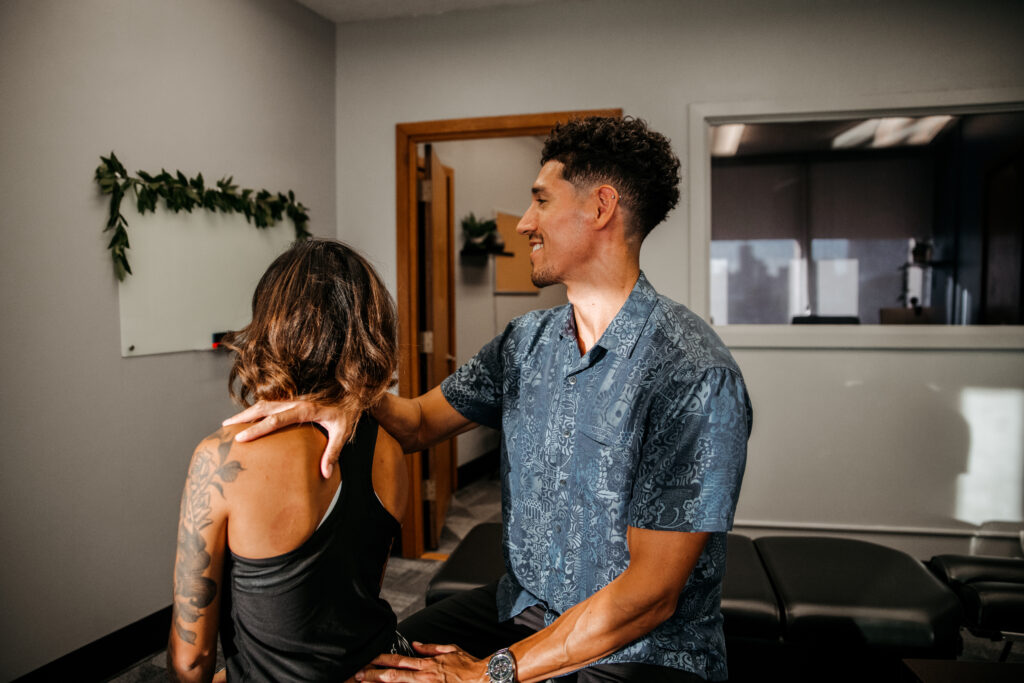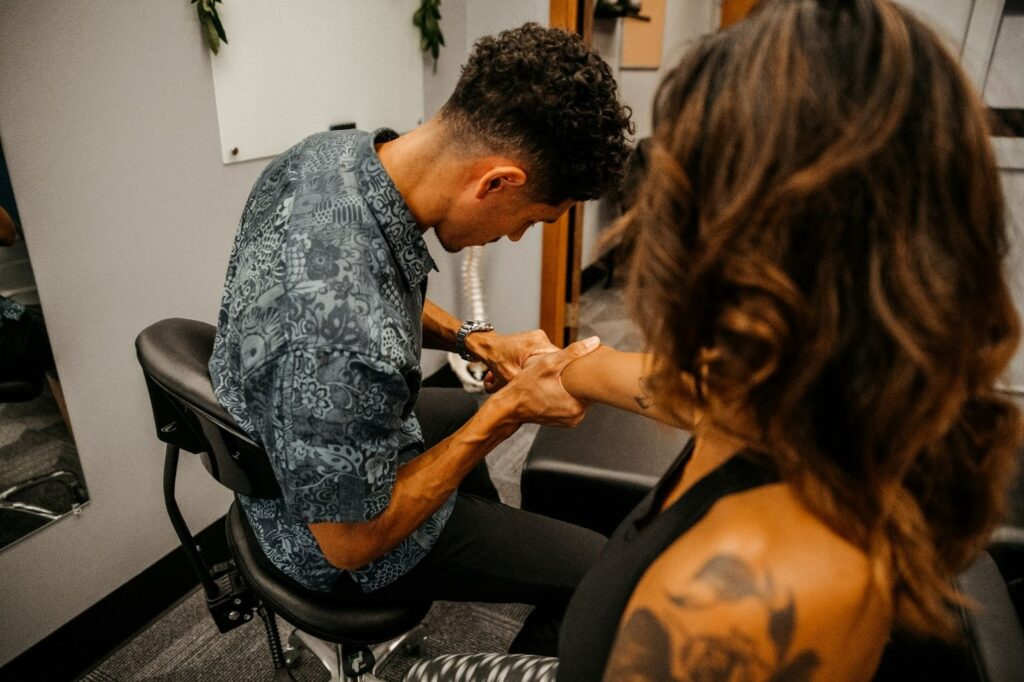

As a local chiropractor, I want to reassure you that if you're experiencing back pain during pregnancy, you're not alone. It's vital to find effective relief for your comfort and overall well-being. Many expectant mothers benefit from strategies such as maintaining good posture and utilizing supportive pillows, but there are additional methods that can significantly alleviate your discomfort.
One effective approach is gentle stretching, which can help relieve tension in your back muscles. Additionally, investing in a pregnancy belt can provide much-needed support to your growing belly, helping to reduce strain on your back. Each of these methods offers unique benefits and can work synergistically to enhance your comfort.
Understanding how to incorporate these strategies into your daily routine can make a world of difference. As your chiropractor, I'm here to guide you through these natural healing techniques and help you manage your discomfort in a safe and effective manner. If you're curious about how to get started, let's discuss the best strategies tailored to your needs.
Maintain Good Posture
As a local chiropractor, I want to emphasize the importance of maintaining good posture, especially for those experiencing prenatal back pain. During pregnancy, your body undergoes significant changes, and the added weight can place considerable stress on your spine and surrounding muscles. It's common to unknowingly slouch or lean forward, which can worsen discomfort. By adopting proper posture, you can support your growing belly and alleviate some of that strain.
When standing, aim to keep your feet shoulder-width apart and distribute your weight evenly between both legs. Engaging your core muscles is key; gently pull your belly button in towards your spine to help stabilize your pelvis and lower back.
When you sit, choose a chair that offers adequate support and ensure your feet are flat on the floor. If your chair lacks lumbar support, consider using a small cushion to help maintain the natural curve of your lower back.
While walking, it's essential to maintain an upright posture. Keep your head high and shoulders relaxed, avoiding any forward or backward leaning. Supportive footwear can make a noticeable difference, so steer clear of high heels, which can disrupt your balance and contribute to back pain.
Additionally, be conscious of your lifting techniques. Always bend at your knees instead of your waist to prevent straining your back. If you're faced with a heavy object, don't hesitate to ask for assistance.
Practice Gentle Stretching
As a local chiropractor, I want to share some insights on how gentle stretching can significantly alleviate prenatal back pain. Many expectant mothers experience discomfort as their bodies undergo numerous changes. Incorporating gentle stretching into your daily routine can be a natural and effective approach to relieve tension in your muscles, improve flexibility, and enhance circulation.
Start with simple stretches that target your back, hips, and legs. One of my favorites is the cat-cow stretch, which is fantastic for loosening the spine. To perform this stretch, get on your hands and knees, inhale while arching your back, and then exhale while rounding it. Repeat this a few times to help relieve tension in your back.
Another beneficial stretch is the seated forward bend. Sit on the floor with your legs extended in front of you and gently reach for your toes, keeping your back straight. This stretch can help release tightness in your lower back, providing much-needed relief.
Don't overlook the importance of side stretches as well. Stand with your feet shoulder-width apart, reach one arm overhead, and lean to the opposite side. This not only increases flexibility in your torso but also alleviates pressure along your spine.
Always listen to your body—if any stretch causes discomfort, ease off or stop. I recommend incorporating these gentle stretches into your routine at least a few times a week, or even daily if possible. Just a few minutes of dedicated stretching can make a significant difference in how you feel during your pregnancy.
Use Supportive Pillows
As a local chiropractor, I want to share with you the significant role that supportive pillows can play in alleviating prenatal back pain.
It's essential to consider not only where you place your pillows but also the types that best suit your body and sleeping habits. Your sleep position is crucial in influencing your overall comfort during this important time.
By exploring the right combination of pillows, you can enhance your sleep quality, which is vital for both your health and the health of your baby.
Optimal Pillow Placement
As a local chiropractor, I often see expectant mothers struggling with back pain due to the changes their bodies undergo during pregnancy. One effective way to alleviate discomfort and improve sleep quality is through optimal pillow placement. Proper support can make a significant difference in how you feel.
Here are four strategies for positioning your pillows that I recommend:
- Between Your Knees: If you're sleeping on your side, try placing a pillow between your knees. This simple adjustment helps align your hips and can significantly reduce strain on your lower back.
- Under Your Belly: For side sleepers, consider adding a small pillow under your belly. This provides additional support and helps relieve pressure on your back, promoting a more comfortable sleep.
- Behind Your Back: When sitting or lying down, using a pillow behind your lower back can be beneficial. This adds extra support and helps maintain the natural curve of your spine, which is essential for reducing discomfort.
- Under Your Head: Ensure that your head pillow offers adequate support without being too high. A medium-loft pillow can help keep your neck aligned during sleep, which is crucial for overall spinal health.
I encourage you to experiment with these pillow placements to discover what feels most comfortable for you.
Prioritizing proper support can greatly enhance your well-being throughout your pregnancy and contribute to a smoother journey to motherhood.
Types of Supportive Pillows
As a local chiropractor, I understand that managing prenatal back pain can be challenging. One of the simplest yet most effective ways to alleviate discomfort during this special time is by choosing the right supportive pillow. Let me guide you through some options that can enhance your comfort and support your body's changes.
First, consider a pregnancy pillow, which is specifically designed to accommodate your evolving shape. These pillows often come in U or C shapes, allowing you to easily hug them while you rest. They're excellent for aligning your spine and reducing pressure on your lower back, which can lead to significant relief.
Another beneficial option is a wedge pillow. Placing this under your belly or back can elevate your hips, which promotes better spinal alignment and helps relieve pressure that can contribute to back pain.
If you prefer a more traditional approach, using a firmer pillow between your knees while sleeping on your side can be very effective. This simple addition helps keep your hips aligned and reduces strain on your lower back, making a noticeable difference in your comfort.
Lastly, lumbar pillows are fantastic for providing targeted support for your lower back while sitting. Whether you're at home or in the office, using a lumbar pillow can help maintain proper posture and alleviate discomfort during prolonged periods of sitting.
I encourage you to experiment with these different types of pillows to discover which one suits you best. The right supportive pillow can significantly enhance your comfort levels and effectively help manage prenatal back pain.
Sleep Position Considerations
As a local chiropractor, I want to share how your sleep position can significantly impact prenatal back pain. Understanding the connection between your sleep habits and comfort during pregnancy is essential. By making some simple adjustments and incorporating supportive pillows, you can alleviate discomfort and enjoy a more restful night's sleep.
Here are some valuable tips to consider:
- Sleep on your side: Opting for a side-sleeping position can greatly reduce pressure on your spine while enhancing blood circulation. I often recommend sleeping on your left side, as it provides optimal benefits for both you and your baby.
- Use a body pillow: Adding a long body pillow between your legs can help keep your hips aligned and support your lower back. This simple adjustment can significantly minimize strain and improve your overall comfort.
- Elevate your head: If you're experiencing heartburn or breathing issues, elevating your upper body with a wedge pillow can be beneficial. This not only alleviates those symptoms but also reduces pressure on your back.
- Avoid sleeping on your back: Sleeping on your back can compress important blood vessels, leading to discomfort and potentially reducing blood flow to your baby. It's best to steer clear of this position during pregnancy.
By implementing these sleep position strategies, you can support your body's natural healing processes and foster a more comfortable pregnancy experience.
If you have any questions or need personalized advice, don't hesitate to reach out to our chiropractic office for guidance.
Invest in a Pregnancy Belt
As a local chiropractor, I often see patients struggling with prenatal back pain, and I want to share how a pregnancy belt can make a significant difference in your comfort during this special time.
These belts are specifically designed to provide crucial support to your back and abdomen, alleviating discomfort as your body adapts to the changes of pregnancy.
A pregnancy belt works by redistributing weight, which reduces the strain on your spine and pelvic area. This can make it much easier for you to engage in daily activities without the nagging pain that often accompanies this stage of life.
When selecting a pregnancy belt, I recommend looking for one with adjustable straps. This feature allows you to customize the fit as your body continues to change. Comfort is key, so opt for a belt made from breathable materials, especially if you plan to wear it for extended periods.
Many belts are designed to be discreet under your clothing, letting you maintain your personal style while benefiting from the support they offer.
Incorporating a pregnancy belt during activities such as walking or standing for long periods can help stabilize your belly. This stability reduces the pull on your lower back, and many of my patients report a noticeable improvement in how they feel throughout the day.
Additionally, these belts can be particularly beneficial in the later stages of pregnancy when the weight of your baby can amplify back pain.
If you're experiencing discomfort, I encourage you to explore the option of a pregnancy belt as part of your holistic approach to managing prenatal pain.
As your chiropractor, I'm here to support you in navigating this journey with natural healing methods that prioritize your well-being.
Engage in Low-Impact Exercise
As a chiropractor, I understand the challenges that come with prenatal back pain, and I want to share how incorporating low-impact exercise into your daily routine can significantly help.
These gentle exercises not only strengthen your back and core muscles but also enhance flexibility and overall well-being. You don't need to engage in strenuous workouts; even simple, mindful movements can lead to substantial relief.
Here are four low-impact exercises I recommend:
- Walking: Taking a daily stroll can help you maintain a healthy weight and uplift your mood. Aim for 20-30 minutes at a pace that feels comfortable for you.
- Swimming: The buoyancy of water is your ally, as it supports your body and minimizes strain on your back. Swimming is an excellent way to relieve tension and discomfort while enjoying the soothing properties of water.
- Prenatal Yoga: This practice emphasizes gentle stretching and breathing techniques tailored for expectant mothers. It enhances your flexibility and strength while fostering relaxation, which is essential during this transformative time.
- Pelvic Tilts: This simple yet effective exercise helps strengthen your core and relieve back pain. Get into a hands-and-knees position and gently arch and round your back. This motion can help alleviate tension and improve spinal alignment.
Always listen to your body and steer clear of any movements that cause discomfort.
It's important to consult with your healthcare provider before starting any new exercise regimen, especially during pregnancy.
By engaging in low-impact exercises, you can take a proactive approach to managing your prenatal back pain, making your journey to motherhood more enjoyable and comfortable.
Apply Heat or Cold Therapy
As a local chiropractor, I want to share some valuable insights on managing prenatal back pain through simple yet effective techniques like heat and cold therapy. These natural methods can provide significant relief, and understanding when to use each can enhance your comfort during this special time.
If you're experiencing muscle tension or stiffness, heat therapy is often your best friend. Utilizing a warm compress, heating pad, or enjoying a warm bath can help to relax those tight muscles while improving blood flow to the affected area.
Just a word of caution—make sure the heat isn't too intense. Always test it on a small area first to prevent any burns. Aim to apply heat for about 15 to 20 minutes at a time, and you'll likely notice a decrease in pain and an increase in your ability to move comfortably.
Conversely, if you're dealing with swelling or sharp pain, cold therapy may be more beneficial. Ice packs or cold compresses can numb the pain, reduce inflammation, and offer immediate relief.
It's important to wrap the ice pack in a thin cloth to protect your skin, and apply it for about 10 to 15 minutes. Remember to take breaks in between applications to avoid frostbite.
Listening to your body is key. If you find that one method isn't providing the relief you need, or if it seems to worsen your discomfort, don't hesitate to switch to the other method.
Alternating between heat and cold therapy can be particularly effective in managing your symptoms. With a little experimentation, you'll find what works best for you, making those challenging days much more manageable.
As you navigate your journey of prenatal care, remember that chiropractic adjustments can also support your overall well-being. If you have any questions or need further assistance, don't hesitate to reach out. Your comfort and health are our top priorities!
Consider Prenatal Massage
As a local chiropractor, I want to share the benefits of prenatal massage, especially when it comes to alleviating back pain during pregnancy.
It's essential to seek out a qualified therapist who specializes in prenatal care to ensure both safety and effectiveness. A knowledgeable therapist can help to relieve tension in your muscles, leading to increased comfort and improved overall well-being.
In conjunction with chiropractic care, prenatal massage can be a powerful tool in supporting your body through this transformative time.
Benefits of Prenatal Massage
As a local chiropractor, I often emphasize the importance of holistic approaches to health, especially during pregnancy. One such approach is prenatal massage, which offers significant relief from discomfort as your body navigates the many changes that come with this special time.
Here are some key benefits you might experience:
- Reduced Muscle Tension: Prenatal massage focuses on specific muscle groups that can become strained during pregnancy. By targeting these areas, you can experience a profound sense of relaxation and physical comfort.
- Improved Circulation: Enhanced blood flow is crucial during pregnancy, as it helps alleviate swelling and ensures that both you and your baby receive adequate oxygen and nutrients.
- Enhanced Sleep Quality: Stress and discomfort can disrupt your sleep, but prenatal massage can help you unwind and achieve a more restful night's sleep—something that's vital for your health and your baby's development.
- Emotional Support: The nurturing touch of massage not only addresses physical discomfort but also elevates your mood and reduces anxiety. This can foster a sense of emotional well-being during what can be a transformative period in your life.
Incorporating prenatal massage into your wellness routine can significantly enhance your overall quality of life during pregnancy.
You'll find that not only does it help you feel better physically, but it also offers emotional benefits that contribute to a more holistic approach to care during this important time.
As a chiropractor, I encourage you to explore the natural healing benefits that come with these therapies.
Choosing a Qualified Therapist
When it comes to selecting a qualified therapist for prenatal massage, I want to emphasize the importance of finding someone who specializes in this area and understands the distinct needs of expectant mothers.
As a chiropractor, I often recommend checking a therapist's credentials to ensure they're certified in prenatal massage and have experience working with pregnant clients. This is crucial, as it ensures they're trained in safe techniques that can help alleviate back pain and prioritize your comfort.
It's also essential to consider the therapist's approach to care. A skilled therapist will take the time to listen to your concerns and tailor the session to meet your specific needs.
Look for someone who fosters a safe and supportive environment, which allows you to fully relax during your treatment.
Don't hesitate to seek recommendations from your healthcare provider or friends who've had positive experiences. Online reviews can also provide valuable insights into the therapist's reputation.
Above all, trust your instincts. If you feel comfortable and confident in your therapist's capabilities, you're more likely to have a positive experience.
With the right support, prenatal massage can significantly reduce your back pain and enhance your overall wellbeing during this special time.
As a chiropractor, I also encourage you to explore chiropractic care as a complementary approach to managing discomfort and promoting a healthy pregnancy.
Stay Hydrated and Nourished
As a local chiropractor, I often emphasize the importance of staying hydrated and nourished, especially for those managing back pain during pregnancy.
When your body is well-hydrated and adequately nourished with essential nutrients, you not only support your overall health but also help alleviate discomfort in your back. This is particularly vital during pregnancy when significant changes can increase the strain on your spine.
Here are four key strategies I recommend to help you stay hydrated and nourished:
- Drink Plenty of Water: Aim for at least eight to ten glasses of water daily. Staying properly hydrated plays a crucial role in maintaining the health of your spinal discs and can reduce swelling, which in turn may alleviate back pain.
- Eat a Balanced Diet: Incorporate a variety of fruits, vegetables, whole grains, and lean proteins into your meals. Consuming nutrient-rich foods supports your body's needs during pregnancy and helps manage weight gain, which can lessen the pressure on your back.
- Monitor Sodium Intake: Excess sodium can lead to water retention, which may put additional pressure on your back. I recommend focusing on fresh foods and limiting processed items to keep your sodium levels balanced.
- Include Calcium and Vitamin D: These nutrients are vital for bone health. Dairy products, fortified foods, and leafy greens can provide the calcium your body needs, while getting some sunlight exposure is important for synthesizing Vitamin D.
By following these strategies, you can support your body during pregnancy and help mitigate back pain naturally, allowing for a more comfortable experience as you navigate this exciting time.
If you have further questions about chiropractic care or natural healing approaches, feel free to reach out!
Seek Professional Guidance
If you're experiencing prenatal back pain, I want to emphasize the importance of seeking professional guidance.
As a local chiropractor, I specialize in helping expectant mothers find relief and support during this transformative time. Chiropractic care focuses on aligning your spine, which can alleviate tension and discomfort.
In addition to chiropractic adjustments, I often recommend physical therapy exercises to strengthen your muscles and enhance flexibility, which can be particularly beneficial during pregnancy.
It's essential to address these issues early, and I encourage you to reach out for personalized advice tailored to your specific needs.
Together, we can create a plan that supports your health and well-being throughout your pregnancy.
Consult a Chiropractor
As a local chiropractor, I want to share how chiropractic care can be a transformative solution for managing prenatal back pain. Our focus is on spinal alignment, which can provide relief from the discomfort many women experience due to the physical changes that accompany pregnancy.
Here's why consulting with a chiropractor could be beneficial for you:
- Personalized Care: We take the time to assess your unique condition and customize our treatments to meet your specific needs. This ensures you receive the most effective care tailored just for you.
- Safe Techniques: Our methods are gentle and designed specifically for pregnancy, allowing us to alleviate pain without the use of medications that may not be safe during this sensitive time.
- Improved Mobility: Regular chiropractic adjustments can greatly enhance your flexibility and range of motion, helping you navigate daily activities with greater ease and comfort.
- Holistic Approach: In addition to spinal care, we provide guidance on posture, exercise, and nutrition. This holistic approach not only supports your overall well-being but also helps manage other discomforts related to pregnancy.
If you're seeking a natural and effective way to manage your prenatal discomforts, I encourage you to consider chiropractic care as a valuable part of your journey.
Consider Physical Therapy
Exploring chiropractic care can be a transformative approach to managing prenatal back pain. As a licensed chiropractor, I specialize in addressing musculoskeletal issues and can create a personalized plan tailored to your needs.
I'll assess your posture, flexibility, and strength to pinpoint the underlying causes of your discomfort. With my guidance, you can learn specific adjustments and exercises designed to strengthen your core and back muscles, helping to alleviate pain and enhance stability.
I'll also teach you proper body mechanics for everyday activities, which can reduce strain as your body undergoes changes during pregnancy. In addition to spinal adjustments, I often incorporate techniques such as soft tissue therapy, heat, or ice to provide immediate relief while promoting long-term healing.
You'll gain valuable tools for managing your pain effectively, empowering you throughout your pregnancy. If your back pain becomes overwhelming, don't hesitate to reach out for professional help.
Chiropractic care isn't just about treatment; it's about nurturing a healthier, more comfortable pregnancy experience. By investing in this supportive care, you're taking proactive steps toward your well-being and preparing your body for the journey ahead.
Prioritize Rest and Relaxation
As a local chiropractor, I want to emphasize the importance of prioritizing rest and relaxation in managing prenatal back pain. During pregnancy, your body goes through numerous changes that can lead to discomfort, making it crucial to take time for yourself—not just as a luxury, but as a necessity for both you and your baby.
Here are some effective strategies to help you incorporate rest and relaxation into your daily routine:
- Listen to Your Body: It's vital to pay attention to how you feel. If you're experiencing fatigue or pain, it's important not to push through it. Taking breaks and resting when needed allows your body to recover and support your growing baby effectively.
- Find Comfortable Positions: Many expectant mothers find relief by using pillows for support. Whether it's placing a pillow under your knees while lying on your side or cushioning your back, finding the right positions can help alleviate pressure and improve comfort.
- Practice Mindfulness or Meditation: Techniques such as mindfulness and meditation can significantly reduce stress and tension. Even dedicating just a few minutes to deep breathing exercises can create a calming effect that helps relieve discomfort.
- Schedule Downtime: I encourage you to intentionally carve out time in your day for relaxation. This might involve curling up with a good book or taking a gentle nap. Allowing yourself this time to unwind can be incredibly beneficial for managing back pain throughout your pregnancy.
By integrating these practices into your routine, you can enhance your overall well-being and potentially ease the discomfort associated with prenatal back pain.
Conclusion
As a local Chiropractor, I want to share some effective strategies for managing prenatal back pain that can enhance your comfort during this special time. It's important to focus on maintaining good posture—this can significantly alleviate strain on your back. Using supportive pillows while sitting or sleeping can also make a big difference in your comfort levels.
Incorporating low-impact exercises, such as prenatal yoga, can help strengthen your body and provide relief from discomfort. Additionally, don't underestimate the power of proper hydration and nutrition; they play a vital role in your overall well-being during pregnancy.
Seeking professional guidance from a chiropractor can be incredibly beneficial as we can provide tailored advice and treatment options to support your body's needs. Lastly, remember to prioritize rest and relaxation—it's essential for both your physical and mental health. By following these tips, you'll be well on your way to enjoying your pregnancy with less discomfort, while also nurturing your body naturally.