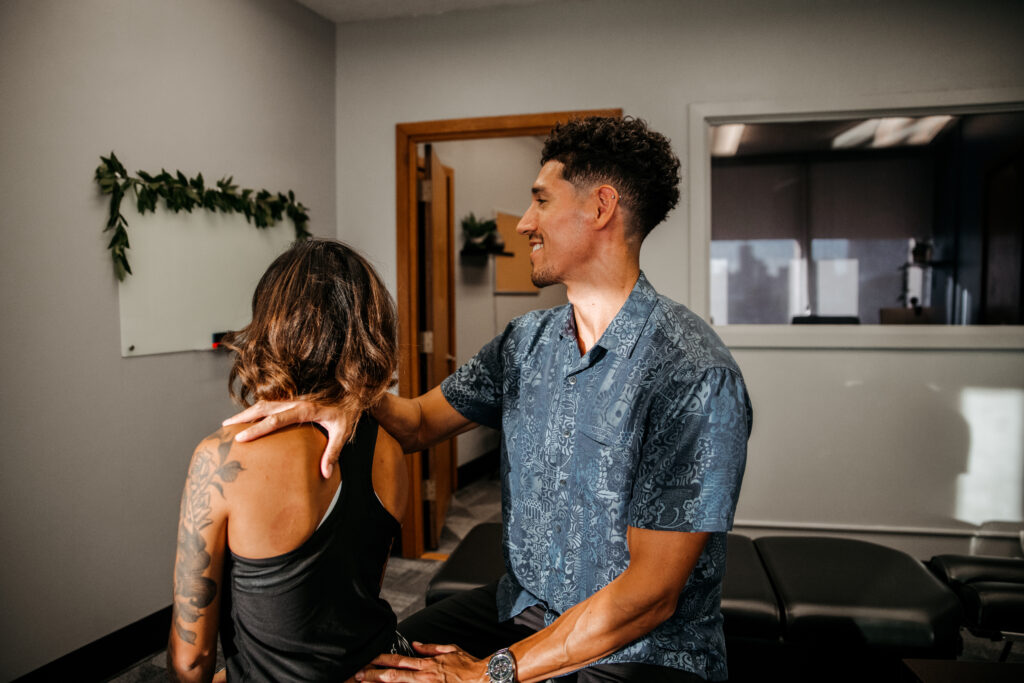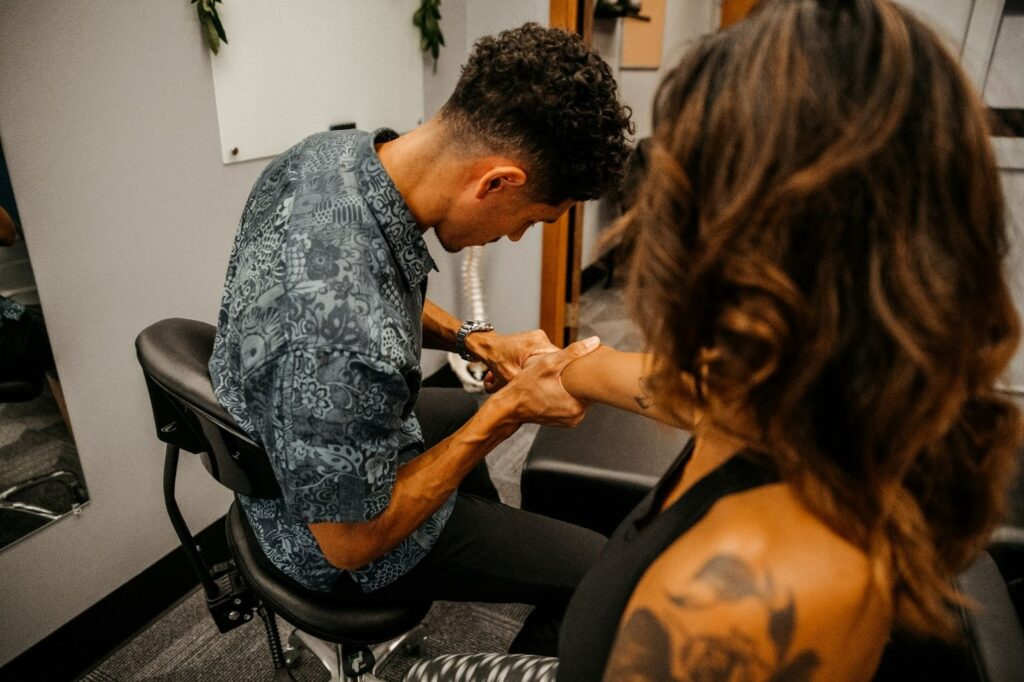

As a local chiropractor, I want to share with you the importance of enhancing your flexibility through a comprehensive approach that goes beyond traditional stretching. It's essential to incorporate daily routines that engage both your body and mind, and I can help you tailor this practice to fit your unique lifestyle.
Integrating yoga into your weekly routine, for instance, can be incredibly beneficial. Additionally, exploring dynamic warm-ups will prepare your body for movement while promoting flexibility. These strategies are not just about improving your range of motion; they contribute significantly to your overall well-being.
Are you curious about the most effective methods that can seamlessly fit into your daily life? Let's delve into ten authentic ways to elevate your flexibility, and in turn, support your overall health through natural healing practices.
Incorporate Daily Stretching
As a local chiropractor, I want to emphasize the importance of incorporating daily stretching into your routine, not just as a pre-workout activity, but as a vital part of your overall wellness strategy. Stretching can significantly enhance your flexibility and well-being, and dedicating just a few minutes each day to this practice can yield remarkable benefits for your body.
Consider setting aside a specific time each day for your stretching routine—whether that's in the morning to invigorate your body or in the evening to help you unwind. It's essential to focus on major muscle groups such as your hamstrings, quadriceps, back, and shoulders. Aim to hold each stretch for 15 to 30 seconds, allowing yourself to breathe deeply to promote relaxation. This practice not only improves your flexibility over time but also makes daily activities feel much easier.
You don't need to engage in complicated stretches; straightforward movements like toe touches, arm circles, and seated forward bends can be incredibly beneficial. Additionally, think about integrating stretching into your everyday activities—perhaps a quick stretch while watching TV or taking a break during work. These small, consistent efforts will keep your muscles supple and can help prevent discomfort.
Always listen to your body. If a stretch feels uncomfortable, it's perfectly okay to ease up. Remember that flexibility is unique to each individual, so focus on your own progress rather than comparing yourself with others.
Consistency is crucial; as you make daily stretching a habit, you'll likely notice improved flexibility and reduced muscle tension. This can lead to a significant enhancement in your physical capabilities and overall quality of life.
Embracing this simple yet impactful practice can complement the chiropractic care I provide, helping you maintain a healthy, balanced body. Together, we can work towards achieving your wellness goals through effective, natural means.
Practice Yoga Regularly
Incorporating yoga into your daily routine can significantly enhance your flexibility and overall well-being, complementing the benefits of chiropractic care. As a chiropractor, I often emphasize the importance of practices that promote physical health, and yoga is a powerful method that combines physical postures, breath control, and mindfulness.
Regular yoga practice not only improves flexibility but also builds strength and balance—key components of a healthy spine. I recommend starting with just a few minutes of yoga each day. You don't need to dedicate long hours; even 15-30 minutes can lead to noticeable improvements.
Focus on poses that stretch and strengthen your muscles, paying particular attention to areas that may be tight or causing discomfort. As you become more comfortable with the practice, you can gradually increase the duration and complexity of your sessions.
Exploring different styles of yoga, such as Hatha, Vinyasa, or Yin, can also be beneficial. Each style offers unique advantages and can help address specific areas of tension in your body. Whether you choose to attend classes in person, participate in online sessions, or follow instructional videos at home, find what resonates with you.
It's crucial to listen to your body while practicing yoga. If you encounter a pose that feels too difficult, don't hesitate to modify it or skip it entirely. Consistency is vital; aim for at least three sessions a week to experience significant improvements in your flexibility and overall health.
Remember to focus on your breath throughout each pose, as this not only grounds you in the present moment but also enhances your overall experience.
As you commit to practicing yoga regularly, you may notice increased flexibility, reduced stress levels, and a greater sense of well-being. Embrace this journey and appreciate the transformation that unfolds as you integrate this enriching practice alongside your chiropractic care. Together, they can lead to a healthier, more balanced life.
Engage in Dynamic Warm-Ups
As a local chiropractor, I want to emphasize the importance of dynamic warm-ups in preparing your body for physical activity.
These exercises play a crucial role in not only increasing your flexibility but also improving your overall performance and reducing the risk of injury. It's essential to understand how these movements can benefit your musculoskeletal health.
Dynamic warm-ups involve engaging in various movements that mimic the activities you'll be doing during your workout or sports. This not only helps to increase blood flow and warm up your muscles but also enhances joint mobility.
I encourage you to incorporate some effective warm-up routines into your regimen to ensure that your body is ready to perform at its best.
By taking the time to warm up dynamically, you're setting a solid foundation for your physical activity, which aligns with the principles of chiropractic care and natural healing.
Let's explore some of these warm-up routines together, so you can feel confident and prepared for your next physical challenge.
Benefits of Dynamic Warm-Ups
As a local chiropractor, I often emphasize the importance of preparing your body for physical activity through dynamic warm-ups. These warm-ups are an excellent way to enhance your overall physical readiness, as they boost blood flow, flexibility, and performance. Engaging in dynamic movements not only prepares your muscles but also increases your range of motion, leading to more effective workouts.
Here's why dynamic warm-ups are beneficial and how they can support your journey toward better health:
- Improved Performance: Dynamic warm-ups activate your muscles and joints, setting the stage for enhanced performance in any physical activity. This can be particularly important for those looking to maintain an active lifestyle or recover from injuries.
- Reduced Risk of Injury: Gradually increasing the intensity of your movements helps to protect your body from strains and sprains. By incorporating dynamic warm-ups, you lower the likelihood of injuries, which is essential for maintaining a healthy, active life.
- Enhanced Muscle Activation: These warm-ups specifically target various muscle groups, ensuring they're primed for action. This not only prepares your body for exercise but can also help reduce soreness after your workout, facilitating a smoother recovery.
- Increased Mental Focus: Engaging in dynamic movements also prepares your mind for the workout ahead. This mental readiness can lead to improved concentration and motivation, both crucial for achieving your fitness goals.
Incorporating dynamic warm-ups into your routine is a fantastic strategy for enhancing your flexibility and preparing your body for physical challenges.
Effective Warm-Up Exercises
As a chiropractor dedicated to helping my patients understand the benefits of natural healing and proper physical care, I want to emphasize the importance of effective warm-up exercises before engaging in any workout.
These dynamic movements not only prepare your muscles and joints but also enhance your overall performance and flexibility.
Let's start with leg swings. Stand next to a wall for support and swing one leg forward and backward, then repeat with the other leg. This simple exercise targets your hip flexors and hamstrings, helping to loosen up these crucial areas before exercise.
Next, consider incorporating arm circles into your routine. Extend your arms out to your sides and begin making small circles, gradually increasing their size. This movement is fantastic for warming up the shoulders and upper body, which can help prevent injuries.
Another excellent exercise is walking lunges. Take a step forward with your right leg, bending both knees as you lower your body, and then switch legs. This engages the quads, glutes, and hip flexors, promoting balance and strength in your lower body.
Don't forget about torso twists. Stand with your feet shoulder-width apart and gently twist your torso side to side, allowing your arms to swing naturally. This exercise helps to loosen up your spine and core, which is essential for maintaining proper posture and flexibility.
Finally, wrap up your warm-up with high knees. Jog in place while lifting your knees to hip level. This movement not only elevates your heart rate but also activates your lower body, preparing it for the physical demands ahead.
Incorporating these exercises into your warm-up routine can significantly enhance your workout experience and reduce the risk of injury.
As your chiropractor, I encourage you to take these steps seriously for a healthier, more active lifestyle.
Try Foam Rolling Techniques
As a chiropractor, I want to introduce you to an effective technique that can greatly enhance your overall well-being: foam rolling. While some might dismiss it as a passing trend, foam rolling is a powerful method for promoting flexibility and alleviating muscle tension.
Using a foam roller can help release knots and tightness in your muscles, making movement feel much more effortless. By integrating foam rolling into your routine, you can improve blood circulation, expand your range of motion, and ultimately elevate your physical performance.
To begin foam rolling, it's essential to target the key muscle groups that commonly hold tension. Here are some techniques I recommend:
- Quads: Position the foam roller under your thighs and roll slowly down towards your knees, taking a moment to pause on any tight areas you discover.
- Hamstrings: Sit on the floor with the roller placed beneath your thighs, gently rolling back and forth to release tightness.
- Calves: Place the roller under your calves, lift your hips, and roll from your ankles to the back of your knees for effective relief.
- Back: Lie with the roller along your spine and gently roll, ensuring your head and neck are supported for comfort.
I suggest spending about 1-2 minutes on each muscle group, paying extra attention to any areas that feel particularly tight.
Don't forget to breathe deeply while rolling; this can help facilitate the release of tension. Foam rolling isn't only beneficial as a warm-up before workouts but also serves as an excellent recovery tool afterward.
By regularly practicing these techniques, you're likely to experience increased flexibility and a more relaxed body, which can significantly enhance your performance in daily activities.
If you have any questions or would like to learn more about how foam rolling can complement your chiropractic care, feel free to reach out!
Utilize Static Stretches
As a local chiropractor, I want to emphasize the importance of static stretching in enhancing your flexibility and overall range of motion. Many of my patients may not be familiar with the benefits of stretching, so let me explain how it can significantly impact your well-being.
Incorporating static stretches into your daily routine can help alleviate tension, improve mobility, and support your body's natural healing process.
To maximize the benefits, it's crucial to follow some best practices, including the recommended duration and frequency of each stretch.
I encourage you to take the time to learn and incorporate these stretches into your lifestyle. Not only will they help you feel more comfortable in your body, but they can also complement the chiropractic care you receive, promoting better alignment and function.
Together, we can work on a holistic approach to your health that includes effective stretching techniques.
Benefits of Static Stretching
As a local chiropractor, I often emphasize the importance of incorporating static stretching into your wellness routine. One of the most notable benefits is improved flexibility. When you hold a stretch for a prolonged period, you're not just enhancing your range of motion—you're also unlocking a variety of advantages that can significantly boost your overall health and performance.
Let me share some key benefits of static stretching that I recommend to my patients:
- Increases blood flow: By holding stretches, you promote better circulation in your body. This means more oxygen and essential nutrients are delivered to your muscles, which can enhance recovery and performance.
- Reduces muscle tension: Targeting specific muscle groups through static stretching can help alleviate tightness, allowing your body to relax and recover more effectively.
- Enhances posture: Regular static stretching helps realign your body, which is crucial in counteracting the negative effects of poor posture that many of us experience from daily activities.
- Aids in recovery: Incorporating static stretches after your workouts can significantly reduce muscle soreness and speed up recovery time, as it promotes overall muscle relaxation.
By integrating these simple practices into your routine, you can experience substantial improvements in your physical well-being.
As your chiropractor, I encourage you to explore the benefits of static stretching and how it can complement your journey toward natural healing.
Best Practices for Stretching
As a local chiropractor dedicated to helping you understand the benefits of natural healing, I want to share some best practices for static stretching that can enhance your overall well-being.
First and foremost, it's crucial to warm up your muscles before you begin stretching. Engaging in light aerobic activity for about 5-10 minutes can significantly increase blood flow, preparing your body for deeper and more effective stretches.
When you stretch, focus on maintaining proper technique. Avoid bouncing or jerking movements; instead, hold each position steadily and gently. Aim to stretch your muscles to the point of mild discomfort, but never to the point of pain. Holding each stretch for 15-30 seconds while taking deep breaths can help relax your muscles and enhance the effectiveness of the stretch.
It's important to target all major muscle groups in your body. Don't overlook areas such as your hamstrings, quadriceps, and shoulders. Maintaining a balanced approach is essential; be sure to stretch both sides of your body equally to avoid any imbalances that could lead to discomfort or injury.
Always listen to your body while stretching. If you feel a stretch is too intense or causes pain, it's important to ease off and adjust your position accordingly.
Finally, I encourage you to incorporate stretching into your regular routine—whether it's after workouts or during dedicated flexibility sessions. By following these best practices, you can effectively and safely enhance your flexibility, supporting your journey toward improved health and wellness.
Duration and Frequency Guidelines
As a local chiropractor, I often emphasize the importance of incorporating static stretches into your routine for improved flexibility and overall well-being. Understanding the right duration and frequency of these stretches can significantly enhance your results. Ideally, you should hold each static stretch for about 15 to 30 seconds. This timeframe is crucial as it allows your muscles to relax and lengthen effectively. I recommend repeating each stretch two to four times to ensure you engage all major muscle groups.
To make the most of your stretching routine, here are some helpful guidelines:
- Frequency: Aim to stretch at least 2 to 3 times per week to see noticeable improvements in your flexibility and muscle health.
- Warm-Up: Always start with a light warm-up to get your muscles ready for stretching. This step is vital to prevent any injuries.
- Listen to Your Body: Pay attention to how your body feels during each stretch. You should feel a gentle tension, but if you experience pain, it's important to ease off.
- Stay Consistent: Regular practice is key. The more you stick with your stretching routine, the greater your flexibility will become over time.
Incorporating these stretches into your lifestyle is a simple yet effective way to support your body's natural healing processes. If you have any questions or need personalized advice, don't hesitate to reach out!
Focus on Breath Control
As a chiropractor, I want to share with you an essential aspect of enhancing your flexibility that often gets overlooked: breath control. When you focus on your breathing during stretching exercises, you create a powerful connection between your mind and body. This connection not only allows you to enter stretches more fully but also helps release tension, which is crucial for improving your flexibility and overall well-being.
As you start your stretching routine, I encourage you to take a moment to center your breath. Inhale deeply through your nose, allowing your abdomen to expand fully. This deep breath prepares your body for movement and signals to your muscles that it's time to relax. As you exhale slowly, visualize any tightness in your body melting away. This practice calms your nervous system, making it easier for you to stretch safely and effectively.
While holding each stretch, aim to maintain a steady, rhythmic breath. Inhale as you prepare to deepen the stretch and exhale as you ease into it. This breathing pattern helps you stay present in the moment, preventing the urge to rush or force the stretch. You may find that by breathing deeply, you can often go further into the stretch without experiencing discomfort.
If you come across areas of tightness, direct your breath toward those spots. Imagine your breath traveling to those areas, assisting in the release of tension. With each exhale, consciously let go of any stress or resistance. Over time, practicing breath control during your stretching not only enhances your flexibility but also promotes relaxation and greater body awareness.
Attend Flexibility Classes
As a local chiropractor, I want to emphasize the importance of flexibility classes for your overall health and wellness. Engaging in these classes can significantly enhance your progress by introducing you to a variety of techniques and styles that promote natural healing.
The supportive environment of group training not only keeps you accountable but also fosters motivation among participants, which can be incredibly beneficial for your journey toward improved flexibility and mobility.
Additionally, having experienced instructors can guide you in refining your practice, helping you achieve better results while ensuring that you're aligning your body properly to prevent injury.
Class Types Available
As a local chiropractor, I want to educate you on the importance of flexibility and how various classes can support your overall well-being, especially if you're new to chiropractic care and natural healing.
Enhancing your flexibility can play a crucial role in maintaining a healthy spine and reducing discomfort.
- Yoga: This ancient practice not only promotes breath control and strength but also incorporates stretching, which is vital for improving flexibility over time. You can choose from styles that suit your comfort level, ranging from gentle Hatha to more vigorous Vinyasa.
- Pilates: With a strong focus on core strength and proper alignment, Pilates classes often include exercises that enhance flexibility. This can lead to better range of motion and support your chiropractic adjustments.
- Dance: Engaging in dance, whether it be ballet or contemporary, is a fun way to encourage fluid movement and stretching. This not only promotes flexibility but also helps with coordination and overall body awareness.
- Tai Chi: Known for its slow, flowing movements, Tai Chi emphasizes gentle stretching and can significantly improve flexibility, balance, and mindfulness. This practice aligns well with the principles of natural healing that we emphasize in chiropractic care.
Benefits of Group Training
As a local chiropractor, I want to emphasize the incredible benefits of attending flexibility classes in a group setting, especially for those new to chiropractic care and natural healing. Participating in these classes not only enhances your experience but can also significantly improve your overall health and wellbeing.
Being part of a group creates a motivating atmosphere that encourages you to push your limits and stay dedicated to your flexibility goals. The positive energy from your peers can inspire you to stretch deeper and hold poses longer than you might achieve on your own. This communal support is vital in fostering a sense of commitment to your health journey.
In these classes, you'll have the advantage of guidance from a qualified instructor. They can provide immediate feedback on your techniques, ensuring you're performing movements correctly. This is crucial for preventing strain or injury, which is particularly important for those of us who care about maintaining a healthy spine and body. By practicing safely, you can achieve better results over time.
Moreover, the friendships and camaraderie built with fellow participants can create a nurturing environment. Sharing experiences, tips, and celebrating each other's progress not only makes the journey enjoyable but also reinforces your commitment to a healthier lifestyle.
Group classes also introduce a variety of exercises that keep your routine dynamic and engaging. This diversity helps prevent boredom and plateaus, making it more likely that you'll stick with your program. Engaging in different practices can also complement your chiropractic care, as it promotes flexibility and strength throughout your body.
Finally, having a regular schedule for group training classes promotes accountability. Knowing that others are counting on you to show up can significantly reduce the likelihood of skipping a session. Embracing the benefits of group training can lead to remarkable improvements in your flexibility and overall wellbeing.
As you incorporate these practices into your routine, you may find that your natural healing journey flourishes.
Maintain a Healthy Diet
As a local chiropractor, I want to emphasize that while you may be concentrating on stretching and strengthening your muscles, maintaining a healthy diet is crucial for enhancing your flexibility and overall well-being. The foods you choose to fuel your body have a direct impact on its ability to recover, adapt, and perform optimally.
A balanced diet, rich in essential nutrients, not only aids in reducing inflammation but also supports muscle repair and improves flexibility.
Here are some key components to consider incorporating into your meals for better health and flexibility:
- Lean Proteins: Foods such as chicken, fish, beans, and legumes are vital for muscle repair and growth, which are essential for achieving greater flexibility. Consuming adequate protein helps your muscles recover from physical activity.
- Fruits and Vegetables: These are packed with vitamins, minerals, and antioxidants that play a significant role in reducing inflammation and assisting your body's recovery process. Aim for a variety of colors to ensure a wide range of nutrients.
- Healthy Fats: Incorporating sources like avocados, nuts, and olive oil into your diet provides essential fatty acids. These fats help lubricate your joints and maintain elasticity in your muscles, which is important for flexibility.
- Whole Grains: Foods such as brown rice and quinoa provide sustained energy, enabling you to engage in longer and more effective stretching sessions. Whole grains are also beneficial for overall health and can aid in maintaining a healthy weight.
By focusing on these dietary elements, you can support your body's natural healing process and enhance your flexibility, making it easier to maintain an active and fulfilling lifestyle.
Stay Hydrated
As a chiropractor dedicated to helping you achieve optimal health and wellness, I want to emphasize the vital role hydration plays in your flexibility and overall physical function. Staying properly hydrated is just as crucial as maintaining a balanced diet, especially for your muscles and joints. Water is essential for ensuring that they operate efficiently.
When you're well-hydrated, your body performs better during stretching exercises, which can help improve your flexibility over time. Conversely, dehydration can lead to issues like muscle cramps, stiffness, and fatigue, all of which can impede your progress.
I encourage you to drink water consistently throughout the day, rather than only during your workouts. A reusable water bottle can serve as a helpful reminder to sip regularly. If you participate in intense physical activities or exercise in hot conditions, it's especially important to increase your fluid intake to replace the water lost through sweat.
In addition to drinking water, consider incorporating hydrating foods into your meals. Fruits and vegetables, such as cucumbers, watermelon, and oranges, have high water content and can significantly contribute to your hydration levels. This not only supports your flexibility goals but also promotes your overall health.
Listen to your body's signals. If you start to feel thirsty, tired, or lightheaded, it's a clear indication that you need to hydrate. Drinking water before, during, and after your stretching sessions can enhance both your performance and recovery.
Listen to Your Body
As a local chiropractor, I want to emphasize the importance of tuning into your body, especially when it comes to improving flexibility and preventing injuries. Your body is constantly sending you important signals during stretching and physical activities, and it's crucial not to overlook these messages. Ignoring them can lead to overexertion or strain, which can impact your overall well-being.
To foster a stronger connection with your body, I encourage you to become aware of how you feel before, during, and after your flexibility routines.
First and foremost, it's vital to distinguish between discomfort and pain. Discomfort is a normal part of the stretching process, while pain can be a warning sign of potential injury.
Here are some essential tips to keep in mind as you embark on your flexibility journey:
- Warm-up properly: Always start your routine with a proper warm-up to prepare your muscles and joints for the work ahead. This step helps signal to your body that it's ready for deeper stretches, reducing the risk of injury.
- Take breaks: If you feel fatigued or experience sharp discomfort, don't hesitate to pause. Allowing your body time to recover is crucial and will ultimately enhance your flexibility over time.
- Modify stretches: Flexibility isn't one-size-fits-all; it can vary from day to day. Feel free to adjust poses or techniques to suit your current level. Honor your body's needs and work within your own limits.
- Observe progress: Keep a record of your flexibility journey. Acknowledging even the smallest improvements can be incredibly motivating and encourage you to continue listening to your body.
By incorporating these practices into your routine and staying attuned to your body's signals, you can enhance your flexibility, reduce the risk of injury, and improve your overall physical health.
Conclusion
As a local chiropractor dedicated to promoting natural healing and wellness, I want to share with you ten authentic ways to enhance your flexibility. By incorporating these practices into your daily routine, you can significantly improve your overall well-being.
First, consider making daily stretching a habit; it helps keep your muscles limber and can prevent injuries. Yoga is another excellent option, as it combines stretching with mindful breathing and relaxation. Dynamic warm-ups are also crucial, especially before physical activity, to prepare your body for movement.
Foam rolling can be a fantastic tool for self-myofascial release, providing relief from muscle tightness and aiding recovery. Additionally, static stretches can help lengthen muscles and improve flexibility over time.
I recommend attending flexibility classes, as they can offer professional guidance and the motivation you might need to stay committed to your goals. Remember, a healthy diet and proper hydration play vital roles in your flexibility journey—nourishing your body fuels your muscles and aids recovery.
Lastly, always listen to your body. Flexibility is a gradual process, and it's essential to embrace each small improvement. As your chiropractor, I'm here to support you on this journey to greater flexibility and overall health.